

Sustainable Pallet Solutions: Maintenance Innovation for Kenya’s Future – 15 Powerful Strategies Driving Change
Introduction to Sustainable Pallet Solutions
What Sustainability Means in Logistics
Sustainable Pallet Solutions: Maintenance Innovation for Kenya’s Future is becoming a critical topic as global supply chains shift toward environmentally responsible practices. Sustainability in logistics means reducing waste, lowering emissions, and using resources efficiently without compromising operational performance.
In Kenya, where exports play a major role in economic growth, sustainable logistics practices are no longer optional. Businesses must adopt eco-friendly approaches to remain competitive in international markets that increasingly demand green compliance.
Sustainability also extends beyond environmental impact. It includes economic viability and social responsibility, ensuring that logistics systems benefit businesses, communities, and ecosystems alike.
Why Pallets Matter in Supply Chains
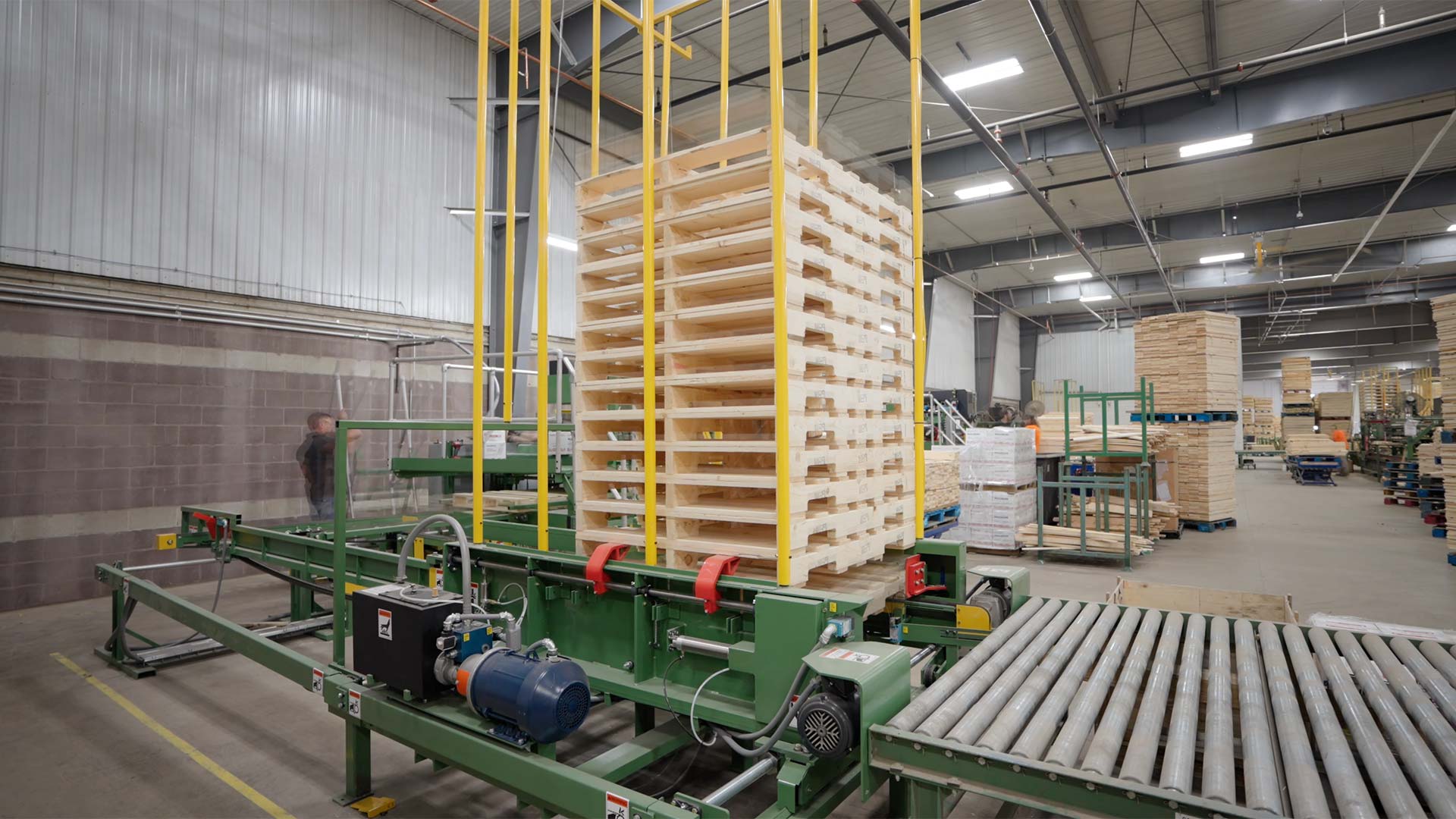
Pallets are the backbone of modern logistics. They support the movement, storage, and handling of goods across supply chains. Despite their simple design, pallets have a significant environmental footprint due to the materials used and their lifecycle management.
In Kenya, wooden pallets dominate due to their affordability. However, improper disposal, poor maintenance, and lack of recycling systems contribute to environmental degradation. This makes sustainable pallet solutions essential for the future.
The Current State of Pallet Usage in Kenya
Common Materials and Practices
Kenyan exporters primarily rely on wooden pallets, often sourced locally. These pallets are widely used in industries such as agriculture, manufacturing, and retail.
Common practices include:
- Reusing pallets multiple times without proper inspection
- Limited repair systems
- Minimal recycling infrastructure
While these practices reduce short-term costs, they often lead to inefficiencies and environmental harm.
Environmental Impact of Traditional Pallets
Traditional pallet systems contribute to:
- Deforestation due to high demand for wood
- Increased waste from damaged pallets
- Carbon emissions from production and transportation
Without proper maintenance and recycling, pallets become a significant environmental burden.
Understanding Sustainable Pallet Solutions: Maintenance Innovation for Kenya’s Future
Key Principles of Sustainability
Sustainable pallet solutions are built on three key principles:
- Reduce – Minimize material usage and waste
- Reuse – Extend the lifespan of pallets through maintenance
- Recycle – Convert damaged pallets into new products
These principles align with global sustainability goals and help Kenyan businesses meet international standards.
Lifecycle Thinking in Pallet Management
Lifecycle thinking involves managing pallets from production to disposal. This includes:
- Selecting sustainable materials
- Implementing maintenance programs
- Recycling or repurposing end-of-life pallets
By adopting this approach, businesses can significantly reduce their environmental impact.
Types of Sustainable Pallet Materials
Recycled Wood Pallets
Recycled wood pallets are made from reclaimed timber, reducing the need for new raw materials. They are cost-effective and environmentally friendly.
Plastic and Composite Pallets
Plastic pallets offer durability and long lifespans. Although they have a higher initial cost, they require less maintenance and are fully recyclable.
Metal and Alternative Materials
Metal pallets and other alternatives provide high strength and longevity, making them suitable for heavy-duty applications.
Innovative Maintenance Practices
Predictive Maintenance Techniques
Predictive maintenance uses data to anticipate when pallets need repair or replacement.
Use of Data and Sensors
Sensors can monitor pallet conditions, including:
- Load stress
- Temperature exposure
- Structural integrity
This data helps businesses take proactive action before failures occur.
Preventive Maintenance Strategies
Preventive maintenance focuses on regular inspections and timely repairs.
Routine Inspection Systems
Establishing inspection routines ensures:
- Early detection of damage
- Reduced risk of product loss
- Extended pallet lifespan
Repair, Reuse, and Recycling Systems
Closed-Loop Pallet Systems
Closed-loop systems involve collecting, repairing, and redistributing pallets within a controlled network. This reduces waste and improves efficiency.
Reverse Logistics Integration
Reverse logistics allows businesses to retrieve used pallets from customers for reuse or recycling. This approach supports sustainability and cost savings.
Environmental Benefits of Sustainable Pallets
Reduction in Carbon Footprint
Sustainable pallet solutions reduce emissions by:
- Lowering raw material consumption
- Minimizing transportation needs
- Extending product life cycles
Waste Minimization
Effective maintenance and recycling reduce landfill waste and promote resource efficiency.
Economic Advantages for Kenyan Exporters
Cost Savings Over Time
Although sustainable pallets may require initial investment, they offer long-term savings through:
- Reduced replacement costs
- Lower maintenance expenses
- Improved operational efficiency
Improved Operational Efficiency
Well-maintained pallets enhance:
- Handling efficiency
- Storage optimization
- Supply chain reliability
Role of Technology in Pallet Innovation
Digital Tracking and IoT
Digital tools enable real-time tracking of pallet location and condition, improving asset management.
Automation in Warehousing
Automated systems streamline pallet handling, reducing labor costs and improving accuracy.
Regulatory and Compliance Considerations
ISPM 15 and Sustainability
Compliance with ISPM 15 ensures pallets are safe for international trade while supporting sustainable practices through proper treatment and reuse.
Local Environmental Policies
Kenya is increasingly promoting sustainable practices through environmental regulations and initiatives.
Challenges in Adoption
Cost Barriers
Initial investment in sustainable systems can be a challenge for small businesses.
Infrastructure Limitations
Limited recycling facilities and technology access hinder widespread adoption.
Best Practices for Implementation
Training and Workforce Development
Educating employees on sustainable practices ensures successful implementation.
Partnering with Sustainable Suppliers
Working with eco-conscious suppliers helps maintain consistent sustainability standards.
Case Studies from Kenya
Successful Adoption Stories
Several Kenyan companies have adopted sustainable pallet systems, achieving cost savings and improved efficiency.
Lessons Learned
Key lessons include:
- The importance of planning
- The value of partnerships
- The need for continuous improvement
Future Trends in Pallet Sustainability
Circular Economy Models
Circular economy approaches focus on reusing and recycling materials to minimize waste.
Green Logistics Growth
As global demand for sustainable practices increases, green logistics will continue to expand in Kenya.
FAQs
1. What are sustainable pallet solutions?
They are eco-friendly pallet systems designed to reduce waste and improve efficiency.
2. Why are they important in Kenya?
They help reduce environmental impact and improve export competitiveness.
3. Are sustainable pallets expensive?
They may cost more initially but save money in the long run.
4. Can wooden pallets be sustainable?
Yes, if they are properly maintained, repaired, and recycled.
5. What role does technology play?
Technology enables tracking, monitoring, and efficient maintenance.
6. How can businesses start adopting these solutions?
By investing in training, partnering with suppliers, and implementing maintenance systems.
Conclusion
Sustainable Pallet Solutions: Maintenance Innovation for Kenya’s Future represents a transformative opportunity for businesses across the country. By embracing sustainable materials, innovative maintenance practices, and advanced technologies, Kenyan exporters can reduce costs, improve efficiency, and protect the environment.
The future of logistics in Kenya lies in sustainability. Businesses that act now will not only gain a competitive advantage but also contribute to a greener, more resilient economy.


Add a comment