

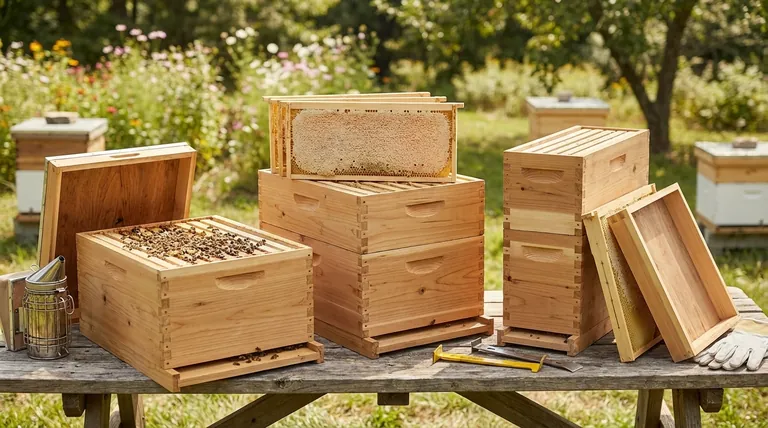
Langstroth vs. Top-Bar: Choosing the Right Beehive for Your Kenyan Farm
Starting a beekeeping venture is an exciting investment, but choosing the right beehive is one of the most important decisions you’ll make. The type of hive you use affects everything from colony management and honey production to harvesting methods and long-term profitability.
In Kenya, the two most popular modern hive designs are the Langstroth Hive and the Kenya Top-Bar (KTB) Hive. Both have proven successful across the country, but each is designed with different beekeeping goals in mind.
Whether you’re a first-time beekeeper, a commercial honey producer, or an organization planning a community apiculture project, understanding the strengths and limitations of each hive will help you make the right investment.
Why Choosing the Right Beehive Matters
A beehive is more than just a structure—it is the home of your bee colony. The right hive provides a stable environment that protects bees from harsh weather, predators, and pests while making hive inspections and honey harvesting easier.
Your choice should be based on factors such as:
- Your beekeeping experience
- Budget
- Farm size
- Honey production goals
- Management time
- Availability of equipment
- Long-term expansion plans
Selecting the right hive from the beginning can save money, improve colony health, and increase honey yields over time.
Understanding the Kenya Top-Bar Hive
The Kenya Top-Bar Hive (KTB) was developed specifically for African conditions and has become one of the most widely used hive designs across the country.
Instead of removable frames, bees build natural combs on individual wooden bars placed across the top of the hive.
Advantages of the Kenya Top-Bar Hive
Lower Initial Investment
Top-bar hives are generally less expensive to manufacture and purchase, making them ideal for new beekeepers and small-scale farmers.
Easy to Build
Their simple design allows local manufacturers to produce durable hives using quality timber while keeping production costs affordable.
Natural Comb Building
Bees construct their own comb naturally, allowing colonies to behave much as they would in the wild.
Simple Management
Many beginner beekeepers find the top-bar hive easier to understand because it has fewer removable components.
Ideal for Rural Projects
NGOs and community beekeeping projects often choose top-bar hives because they are affordable, practical, and easy to distribute.
Limitations of the Kenya Top-Bar Hive
Although the KTB hive offers many benefits, it also has some limitations.
These include:
- Lower honey production compared to intensive commercial systems
- Comb can break during harvesting if handled improperly
- Expansion options are limited
- Less suitable for mechanized honey extraction
- Harvesting generally requires cutting the comb
For many small-scale farmers, however, these limitations are outweighed by the lower purchase price and ease of use.
Understanding the Langstroth Hive
The Langstroth Hive is one of the most widely used beehive designs worldwide and has become increasingly popular among commercial beekeepers in Kenya.
Unlike the top-bar hive, it uses removable wooden frames that allow bees to build comb within a structured system.
The modular design also allows additional hive boxes to be added as colonies grow.
Advantages of the Langstroth Hive
Higher Honey Production Potential
Because colonies can expand vertically into additional supers, Langstroth hives often support larger honey harvests when managed properly.
Easier Colony Inspection
Removable frames make it easier to inspect brood, monitor queen activity, and identify pests or diseases.
Reusable Honeycombs
Honey can be extracted using a centrifuge while preserving the comb, allowing bees to refill the same frames and reducing the energy required to rebuild wax.
Better for Commercial Operations
Large apiaries often prefer Langstroth hives because they simplify management and support higher production volumes.
Scalable Design
As colonies expand, extra hive boxes can be added without replacing the entire hive.
Limitations of the Langstroth Hive
Langstroth hives also require greater investment and management.
Some challenges include:
- Higher purchase cost
- More equipment required
- Greater technical knowledge
- Heavier hive components
- Additional maintenance
For commercial honey producers, however, these investments often pay off through improved efficiency and increased production.
Langstroth vs. Kenya Top-Bar: Feature Comparison
| Feature | Kenya Top-Bar Hive | Langstroth Hive |
|---|---|---|
| Initial Cost | Lower | Higher |
| Honey Production | Moderate | High |
| Ease of Use | Beginner-friendly | Moderate |
| Commercial Suitability | Small to medium scale | Medium to large scale |
| Comb Harvesting | Cut comb | Extract using frames |
| Expandable | Limited | Highly expandable |
| Equipment Required | Minimal | Additional equipment needed |
| Hive Inspection | Good | Excellent |
| Colony Management | Simple | Advanced |
| Long-Term Scalability | Moderate | Excellent |
Which Hive Produces More Honey?
One of the most common questions among new beekeepers is whether the Langstroth hive produces more honey than the Kenya Top-Bar hive.
The answer depends on several factors, including:
- Colony strength
- Flower availability
- Weather conditions
- Hive management
- Pest control
- Beekeeper experience
However, because Langstroth hives allow colonies to expand and enable honey extraction without destroying the comb, they generally offer greater production potential for commercial beekeeping.
That said, a well-managed top-bar hive can still produce excellent honey yields, particularly for smallholder farmers.
Which Hive Is Easier for Beginners?
For most first-time beekeepers, the Kenya Top-Bar hive is often the easiest place to start.
It offers:
- Lower financial risk
- Simple construction
- Fewer components
- Easy harvesting
- Minimal equipment requirements
Once beekeepers gain experience and expand their operations, many transition to Langstroth hives to increase production.
Choosing the Right Hive for Your Farm
Choose a Kenya Top-Bar Hive if you:
- Are starting your first apiary
- Have a limited budget
- Manage a small number of colonies
- Prefer simple hive management
- Are running a community beekeeping project
- Want affordable locally manufactured hives
Choose a Langstroth Hive if you:
- Plan commercial honey production
- Want to maximize honey yields
- Intend to expand your apiary
- Have access to extraction equipment
- Want easier colony inspections
- Need standardized hive management
Why Quality Manufacturing Matters
Regardless of the hive design you choose, the quality of construction has a direct impact on performance.
A professionally manufactured hive provides:
- Accurate dimensions
- Proper bee space
- Strong structural integrity
- Excellent ventilation
- Long-lasting durability
- Weather resistance
- Smooth internal finishes
- Secure roofing
Poor workmanship can lead to warped timber, gaps, moisture intrusion, pest infestations, and reduced colony health.
Investing in a well-built hive ensures your bees have the best possible environment to thrive.
Why Buy Locally Manufactured Beehives?
Purchasing beehives from a Kenyan manufacturer offers several advantages.
Local manufacturers understand the country’s climate, beekeeping practices, and agricultural conditions.
Benefits include:
- Faster production and delivery
- Custom hive sizes
- Easier access to replacement parts
- Competitive pricing
- Support for local manufacturing
- Responsibly sourced timber
- Reliable after-sales support
Choosing locally manufactured hives also contributes to job creation and strengthens Kenya’s growing agricultural value chain.
Final Thoughts
There is no single “best” beehive for every beekeeper. The right choice depends on your goals, budget, level of experience, and long-term plans.
If you’re looking for an affordable, easy-to-manage hive, the Kenya Top-Bar hive is an excellent choice. If your goal is to build a large-scale commercial honey operation with maximum productivity, the Langstroth hive offers greater scalability and efficiency.
Whichever design you choose, investing in a professionally manufactured, high-quality wooden hive will provide a strong foundation for healthy colonies, consistent honey production, and long-term success.
Frequently Asked Questions
1. Which beehive is best for beginners in Kenya?
The Kenya Top-Bar hive is generally the best option for beginners because it is affordable, easy to manage, and requires minimal equipment.
2. Is a Langstroth hive worth the extra cost?
Yes. For commercial beekeepers or anyone planning to expand their apiary, the higher initial investment can be offset by improved management efficiency and greater honey production potential.
3. Can I keep both Langstroth and Top-Bar hives on the same farm?
Absolutely. Many Kenyan beekeepers operate both hive types, using Top-Bar hives for smaller colonies and Langstroth hives for commercial production.
4. Which hive requires less maintenance?
The Kenya Top-Bar hive has fewer components and is generally simpler to maintain, while Langstroth hives require more frequent inspections and equipment management.
5. How long does a quality wooden beehive last?
A professionally manufactured beehive built from seasoned timber can provide many years of reliable service with proper care and maintenance.
6. Can I order custom-built beehives?
Yes. Reputable Kenyan manufacturers can produce both Kenya Top-Bar and Langstroth hives in custom sizes or quantities to meet the needs of farmers, cooperatives, NGOs, and commercial apiaries.
Build Your Apiary with Quality Beehives from Deka Kraft
The success of your beekeeping venture starts with the right hive. Whether you’re looking for durable Kenya Top-Bar hives, precision-built Langstroth hives, or custom beekeeping solutions, Deka Kraft manufactures high-quality wooden beehives designed for Kenya’s unique conditions.
Our hives are crafted from carefully selected timber, built for durability, and suitable for everyone from first-time beekeepers to large commercial honey producers.
Contact Deka Kraft today for expert advice, competitive pricing, and reliable beehive manufacturing tailored to your beekeeping goals.
Add a comment