

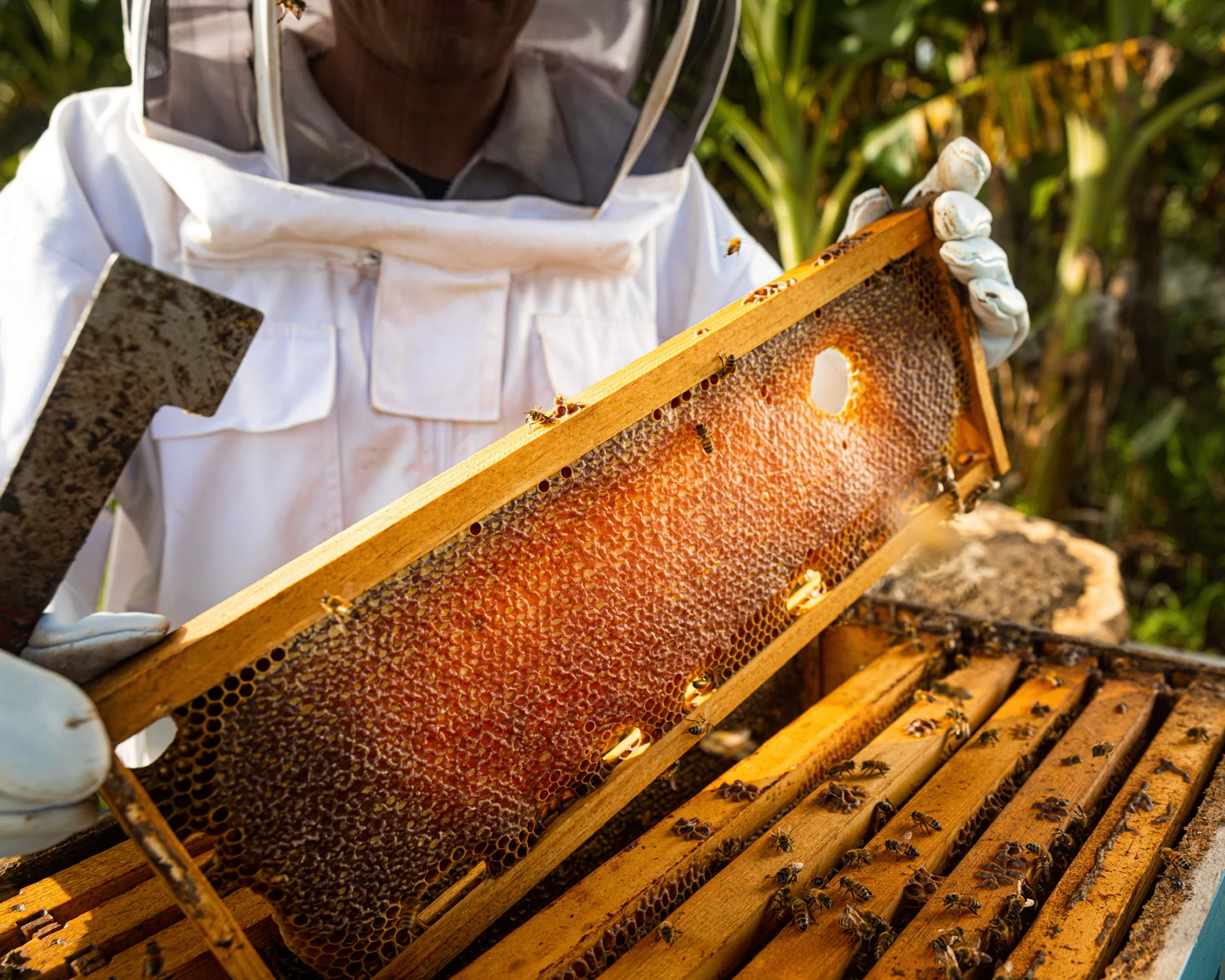
From Timber to Honey: How Kenyan-Made Beehives Are Powering Local Apiculture
Beekeeping has quietly become one of Kenya’s fastest-growing agricultural ventures. From the dry landscapes of Baringo and Kitui to the forests of Kakamega and Mount Kenya, thousands of farmers are discovering that bees offer more than just honey—they provide a sustainable source of income, improve crop pollination, and support environmental conservation.
Behind every successful apiary is a well-built beehive. While honey often receives the spotlight, the quality of the hive itself plays a critical role in determining colony health, honey yield, and long-term profitability.
Today, Kenyan manufacturers are helping transform the country’s apiculture sector by producing durable, locally adapted wooden beehives that meet the needs of both small-scale and commercial beekeepers.
Why Beekeeping Is Growing in Kenya
The demand for natural honey, beeswax, propolis, pollen, and other bee products continues to rise in both local and export markets. At the same time, many farmers are looking for alternative income streams that require relatively low land investment.
Government agencies, NGOs, and agricultural development organizations are also promoting modern apiculture because it contributes to:
- Increased household income
- Food security through improved crop pollination
- Environmental conservation
- Climate-resilient farming
- Rural employment opportunities
Modern beehive adoption has also been linked to improved honey production among Kenyan smallholder farmers, especially when combined with training, access to finance, and beekeeper groups. (Frontiers)
Every Great Harvest Starts with Quality Timber
A beehive is far more than a wooden box.
It is the permanent home for thousands of honeybees and must protect them from weather, predators, excessive heat, moisture, and structural failure.
The manufacturing process begins with carefully selected timber that is:
- Properly seasoned
- Dimensionally stable
- Resistant to splitting
- Easy to work with
- Durable outdoors
Poor-quality timber can warp, crack, or rot, creating openings that expose bee colonies to pests, rain, and fluctuating temperatures.
Quality manufacturing ensures every component fits together accurately, giving bees a secure environment to build healthy colonies.
Precision Manufacturing Makes the Difference
Modern beehives require far greater precision than many people realize.
Small measurement errors can create gaps that allow pests to enter or interfere with the natural “bee space” needed for colony management.
Professional manufacturers use precision cutting and assembly techniques to ensure:
- Accurate dimensions
- Strong structural joints
- Smooth internal finishes
- Proper ventilation
- Secure roofing
- Long-lasting durability
These details simplify inspections and honey harvesting while reducing stress on the colony.
Popular Beehive Types Manufactured in Kenya
Kenyan manufacturers produce several hive designs suited to different farming systems.
Kenya Top Bar (KTB) Hive
Originally developed in Kenya, the Kenya Top Bar hive is designed for local conditions and remains one of the country’s most popular modern hive designs.
Benefits include:
- Affordable construction
- Simple management
- Easy harvesting
- Ideal for beginners
- Lower equipment costs
The Kenya Top Bar hive typically produces between 15–20 kg of honey per harvest under favorable conditions. (Kenya Veterinary Department)
Langstroth Hive
The Langstroth hive is widely used in commercial beekeeping due to its removable frames and expandable design.
Advantages include:
- Higher production potential
- Easier colony inspections
- Improved honey quality
- Better disease monitoring
- Scalable commercial operations
Research has shown that modern hive designs such as the Langstroth can improve productivity when managed effectively. (GOV.UK)
Custom Wooden Beehives
Many organizations require specialized hive dimensions for:
- NGO projects
- Agricultural training institutions
- County government initiatives
- Research organizations
- Large commercial apiaries
Local manufacturers can customize hive dimensions, roofing systems, timber species, and accessories to meet project specifications.
Why Locally Manufactured Beehives Matter
Buying locally manufactured beehives offers several advantages over imported alternatives.
Designed for Kenyan Conditions
Kenya experiences diverse climates, from hot arid regions to cool highlands.
Locally manufactured hives are designed to withstand:
- High temperatures
- Seasonal rains
- UV exposure
- Long outdoor use
Faster Delivery
Local production reduces lead times and makes it easier to replace damaged parts or expand an apiary without waiting for overseas shipments.
Better Value for Money
Manufacturing within Kenya helps reduce transportation costs while providing durable products built specifically for local beekeeping practices.
Supporting Local Industry
Choosing Kenyan-made beehives supports:
- Local carpenters
- Timber suppliers
- Manufacturing jobs
- Small businesses
- Sustainable forestry initiatives
Every purchase contributes to strengthening Kenya’s growing agricultural value chain.
How a Quality Beehive Improves Honey Production
The hive itself cannot make bees produce more honey—but it creates the conditions that allow healthy colonies to thrive.
A properly manufactured hive provides:
Better Colony Protection
Strong construction protects bees from harsh weather and predators.
Improved Ventilation
Good airflow helps regulate temperature and moisture inside the hive.
Easier Inspections
Modern hive designs allow beekeepers to inspect colonies without causing unnecessary disruption.
Reduced Maintenance
Well-built hives last for years with minimal repairs.
Better Honey Quality
Clean, well-designed hives make harvesting easier while reducing contamination.
Sustainable Manufacturing Supports Sustainable Agriculture
Responsible manufacturers recognize that healthy forests are essential for healthy bee populations.
Many now emphasize:
- Responsibly sourced timber
- Efficient timber utilization
- Waste reduction
- Durable construction
- Long product life
Sustainable manufacturing complements the broader environmental benefits of beekeeping, including improved pollination and biodiversity.
Who Needs Professionally Manufactured Beehives?
Quality beehives are suitable for:
- Commercial honey producers
- Smallholder farmers
- Agricultural cooperatives
- NGOs
- County governments
- Agricultural training centres
- Schools and universities
- Conservation projects
- Community development organizations
As apiculture projects expand across Kenya, reliable local manufacturers play an increasingly important role in meeting demand. (Kenya News)
Choosing the Right Beehive Manufacturer
Before placing an order, consider whether the manufacturer offers:
- Quality seasoned timber
- Precision workmanship
- Consistent dimensions
- Bulk manufacturing capability
- Custom hive options
- Reliable delivery
- Competitive pricing
- Strong customer support
A quality hive is an investment that should deliver many years of reliable service.
The Future of Beekeeping Starts with Better Manufacturing
Kenya’s beekeeping sector has enormous potential. As demand for honey and other bee products continues to grow, manufacturers have an opportunity to supply durable, high-performance beehives that support farmers across the country.
From carefully selected timber to precision craftsmanship, every well-built hive contributes to healthier bee colonies, improved harvests, and stronger rural livelihoods.
Whether you’re starting your first apiary or expanding an established commercial operation, investing in quality Kenyan-made beehives is one of the smartest decisions you can make for long-term success.
Frequently Asked Questions
1. What is the best type of beehive for beginners in Kenya?
The Kenya Top Bar Hive is often recommended because it is affordable, easy to manage, and designed specifically for local conditions.
2. How long does a wooden beehive last?
A professionally manufactured wooden beehive can last many years when constructed from quality timber and properly maintained.
3. Which timber is commonly used for beehives in Kenya?
Manufacturers commonly use seasoned softwoods such as cypress or pine because they are durable, workable, and suitable for outdoor use. (Kenya News)
4. Can beehives be custom-made?
Yes. Many manufacturers produce custom hive sizes and configurations for NGOs, commercial farms, county governments, and research institutions.
5. Do modern beehives produce more honey?
Modern hives make colony management and harvesting more efficient. When combined with good beekeeping practices, they can contribute to higher honey production and better colony health. (Frontiers)
6. Do manufacturers supply beehive accessories?
Most manufacturers can also provide hive stands, roofs, replacement parts, frames, and other accessories depending on customer requirements.
Ready to Invest in Quality Kenyan-Made Beehives?
Whether you’re launching a new apiary, supplying a community beekeeping project, or expanding a commercial honey business, the quality of your beehives directly influences your long-term success. At Deka Kraft, we manufacture durable, precision-crafted wooden beehives designed for Kenya’s diverse climates and modern beekeeping practices.
Contact Deka Kraft today to discuss your requirements, request a quotation, or place a bulk order. Let us help you build stronger bee colonies, increase honey production, and support sustainable apiculture with beehives built to last.
Add a comment