

Boosting Rural Incomes: How Affordable Beehive Manufacturing Is Transforming Beekeeping Livelihoods in Kenya
Across Kenya, beekeeping is becoming more than just a traditional farming activity—it’s emerging as a practical way for rural households to diversify income, improve food security, and build more resilient livelihoods. From the arid counties of Turkana and Baringo to the fertile highlands of Nyeri and the forests of Kakamega, thousands of farmers are investing in modern beekeeping to generate sustainable income while supporting environmental conservation.
One of the key drivers behind this growth is the increasing availability of affordable, locally manufactured beehives. By reducing the cost of starting or expanding an apiary, Kenyan manufacturers are making modern beekeeping more accessible to smallholder farmers, cooperatives, youth groups, and community development projects.
This article explores how affordable beehive manufacturing is helping transform Kenya’s honey industry and creating new economic opportunities in rural communities.
The Rising Demand for Beekeeping in Kenya
Kenya has ideal conditions for apiculture, with diverse vegetation, favourable climates, and a growing market for honey and other bee products.
Beyond honey, beekeepers can generate income from:
- Beeswax
- Propolis
- Bee pollen
- Royal jelly
- Bee venom
- Queen bee production
- Pollination services
As consumer demand for natural and locally produced honey continues to grow, more farmers are recognising beekeeping as a profitable agricultural enterprise.
Government agencies, county governments, NGOs, and development organisations are also investing in beekeeping programmes to improve rural livelihoods and environmental sustainability.
Why Rural Communities Are Turning to Beekeeping
Unlike many agricultural enterprises, beekeeping offers an attractive combination of low operating costs and high long-term potential.
Some of the reasons farmers choose beekeeping include:
- Requires minimal land
- Complements existing farming activities
- Relatively low labour requirements
- Can generate multiple harvests each year
- Improves crop pollination
- Supports biodiversity
- Provides additional household income
Because bees forage naturally, beekeepers do not need to purchase feed in the same way as livestock farmers, making apiculture a cost-effective enterprise for many rural households.
The Challenge: High Equipment Costs
While beekeeping is relatively affordable compared to many farming ventures, purchasing quality equipment has traditionally been one of the biggest barriers to entry.
New beekeepers often need:
- Beehives
- Protective clothing
- Smokers
- Hive tools
- Honey harvesting equipment
- Storage containers
Among these, the beehive represents the largest investment.
When high-quality hives are expensive or difficult to source, many farmers delay expanding their apiaries or continue using traditional log hives that are less efficient to manage.
This is where affordable local manufacturing is making a significant difference.
Locally Manufactured Beehives Reduce Costs
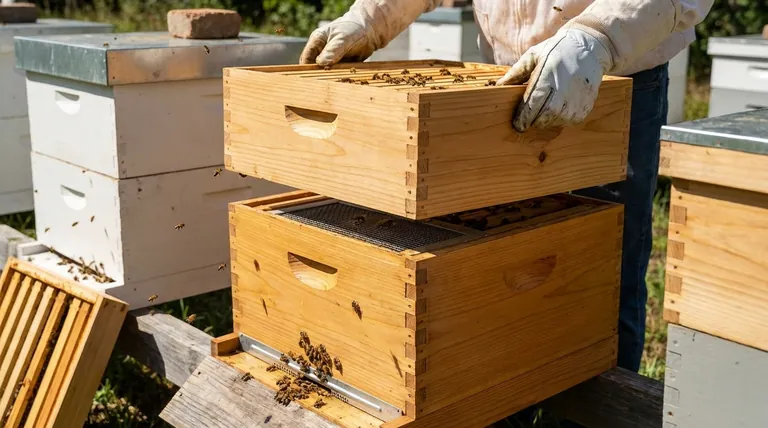
Kenyan manufacturers are producing durable wooden beehives that meet modern beekeeping standards while remaining affordable for local farmers.
Because production takes place within the country, manufacturers can reduce costs associated with:
- International shipping
- Import duties
- Overseas supply chains
- Currency fluctuations
- Long delivery times
The result is a reliable, locally available product that allows more farmers to invest in modern beekeeping.
More Affordable Hives Mean More Apiaries
Lower equipment costs have a direct impact on rural livelihoods.
When beehives become more affordable, farmers can:
- Start beekeeping with fewer financial barriers
- Expand their apiaries more quickly
- Increase colony numbers over time
- Produce more honey
- Generate higher household income
For many rural families, this additional income helps cover:
- School fees
- Medical expenses
- Farm improvements
- Household needs
- Business expansion
Affordable manufacturing is therefore helping create opportunities that extend well beyond the apiary itself.
Supporting Youth Employment
Youth unemployment remains a significant challenge across Kenya.
Beekeeping offers young entrepreneurs an opportunity to build profitable agricultural businesses with relatively modest capital requirements.
Affordable locally manufactured hives enable young people to:
- Start commercial apiaries
- Offer hive management services
- Produce and package honey
- Sell beeswax products
- Supply colonies to new farmers
The growth of local manufacturing also creates employment in woodworking, carpentry, transport, and distribution.
Empowering Women’s Groups
Women’s self-help groups and cooperatives have increasingly embraced beekeeping as a sustainable income-generating activity.
Modern wooden hives provide several advantages:
- Easier inspections
- Safer harvesting
- Improved honey quality
- Better colony management
- Reduced physical strain compared to traditional log hives
Many community organisations now include beekeeping as part of broader rural development programmes because it combines income generation with environmental conservation.
Better Hives Lead to Better Productivity
A quality beehive provides bees with a secure environment where colonies can grow and thrive.
Professionally manufactured hives feature:
- Proper ventilation
- Weather-resistant construction
- Accurate dimensions
- Strong structural integrity
- Durable roofing
- Smooth internal finishes
Modern hive designs also simplify inspections and honey harvesting, allowing beekeepers to manage colonies more efficiently.
Research has found that farmers using modern hives generally achieve higher productivity than those relying solely on traditional hives, particularly when supported by training and good management practices. (frontiersin.org)
Strengthening Kenya’s Honey Value Chain
Every locally manufactured beehive contributes to a wider economic ecosystem.
The production process supports:
- Timber suppliers
- Sawmills
- Skilled carpenters
- Manufacturing businesses
- Hardware suppliers
- Transport companies
- Honey processors
- Retailers
As more farmers invest in modern equipment, the entire honey value chain benefits through increased production and greater market opportunities.
Supporting Environmental Conservation
Beekeeping encourages communities to protect natural vegetation and flowering plants that provide forage for bees.
Healthy bee populations improve pollination for crops such as:
- Avocados
- Coffee
- Sunflowers
- Mangoes
- Macadamia
- Passion fruit
- Beans
- Indigenous vegetables
As a result, beekeeping contributes to both agricultural productivity and biodiversity conservation.
County governments and conservation organisations increasingly recognise beekeeping as a practical tool for balancing environmental protection with rural economic development.
Why Local Manufacturing Matters
Choosing a locally manufactured beehive offers several important advantages.
Designed for Kenyan Conditions
Manufacturers understand local climates and build hives capable of withstanding heat, rainfall, humidity, and extended outdoor exposure.
Faster Delivery
Locally produced hives are readily available and can often be delivered much faster than imported alternatives.
Easier Repairs
Replacement parts are easier to obtain, reducing downtime and extending the working life of each hive.
Custom Manufacturing
Manufacturers can produce Kenya Top-Bar, Langstroth, and customised hive designs to meet the needs of farmers, NGOs, cooperatives, and government projects.
Supporting Kenyan Businesses
Every purchase strengthens local manufacturing, creates employment, and contributes to economic growth.
Investing in Affordable Equipment for Long-Term Success
Although affordability is important, quality should never be compromised.
A professionally manufactured hive built from seasoned timber offers:
- Long service life
- Reduced maintenance
- Better colony protection
- Improved harvesting efficiency
- Greater long-term value
Investing in quality equipment from the beginning often reduces replacement costs and improves profitability over the life of the apiary.
The Future of Rural Beekeeping in Kenya
As demand for honey continues to grow both locally and internationally, affordable beehive manufacturing will play an increasingly important role in expanding Kenya’s apiculture sector.
By making modern beekeeping equipment accessible to more farmers, local manufacturers are helping create jobs, increase household incomes, strengthen rural economies, and support sustainable agriculture.
From a single hive on a small farm to large commercial apiaries, every investment in quality locally manufactured beehives contributes to a stronger and more resilient honey industry.
Frequently Asked Questions
1. Why are locally manufactured beehives more affordable?
Local production eliminates many costs associated with imported equipment, including international shipping, import duties, and long supply chains, making quality hives more accessible to Kenyan farmers.
2. Can beekeeping generate a reliable income?
Yes. Many Kenyan farmers earn additional income from honey, beeswax, pollen, propolis, and pollination services. Income depends on colony health, management practices, forage availability, and market access.
3. Which beehive is best for smallholder farmers?
The Kenya Top-Bar hive is often recommended because it is affordable, easy to manage, and well suited to local conditions. Langstroth hives are popular with commercial producers seeking greater scalability.
4. How do modern beehives improve productivity?
Modern hives provide better colony protection, improved ventilation, easier inspections, and more efficient harvesting. When combined with good beekeeping practices, they can contribute to higher honey yields and healthier colonies. (frontiersin.org)
5. Who buys locally manufactured beehives?
Customers include individual farmers, honey producers, agricultural cooperatives, NGOs, county governments, research institutions, schools, and community-based organisations.
6. Can manufacturers supply large orders?
Yes. Many Kenyan manufacturers produce beehives in bulk for commercial apiaries, development projects, and institutional programmes while also offering custom designs and accessories.
Partner with Deka Kraft to Grow Your Beekeeping Success
Affordable, well-built beehives are the foundation of a productive apiary. At Deka Kraft, we manufacture durable Kenya Top-Bar and Langstroth beehives using high-quality timber and precision craftsmanship, ensuring reliable performance in Kenya’s diverse climates.
Whether you’re a smallholder farmer starting your first apiary, a cooperative expanding honey production, or an organisation implementing a large-scale beekeeping project, we provide dependable beehive manufacturing solutions tailored to your needs.
Contact Deka Kraft today to request a quotation, discuss bulk orders, or learn more about our locally manufactured beehives designed to help Kenyan beekeepers thrive.
Add a comment