

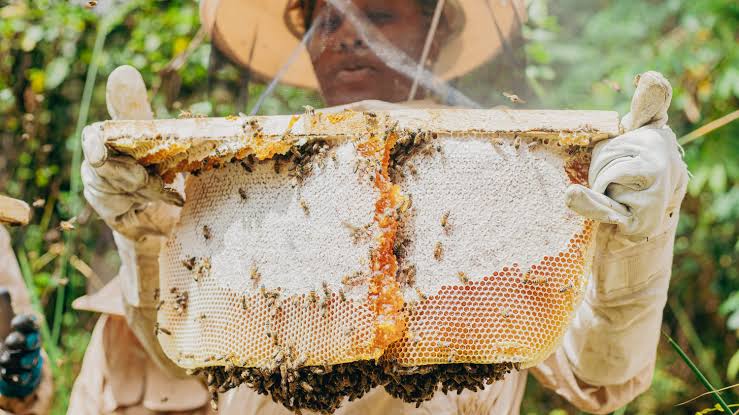
Supporting Smallholder Beekeepers: Why Locally Manufactured Hives Matter for Kenya’s Honey Industry
Kenya has long been recognised as one of Africa’s leading honey-producing nations, yet much of the country’s beekeeping potential remains untapped. Across counties such as Baringo, Kitui, West Pokot, Turkana, Makueni, Laikipia, and Kakamega, thousands of smallholder farmers are turning to beekeeping as a reliable source of income while improving crop pollination and supporting environmental conservation.
At the heart of every successful apiary is a quality beehive. While training, forage availability, and colony management all influence honey production, the hive itself provides the foundation for healthy bee colonies and efficient harvesting. Locally manufactured wooden beehives are playing an increasingly important role in helping Kenyan farmers establish productive apiaries without the high costs associated with imported equipment.
This article explores why locally manufactured hives are becoming an essential part of Kenya’s growing apiculture sector and how they are empowering smallholder beekeepers across the country.
The Growing Importance of Beekeeping in Kenya
Agriculture remains the backbone of Kenya’s economy, but changing weather patterns, rising production costs, and shrinking farm sizes have encouraged many farmers to diversify their income sources.
Beekeeping offers several unique advantages:
- Requires relatively little land
- Has low day-to-day labour requirements
- Produces multiple marketable products
- Improves crop pollination
- Supports biodiversity
- Generates income throughout the year
Recent studies have shown that adopting modern beehives is one of the factors associated with higher honey production among smallholder farmers, alongside access to training, credit, and beekeeper groups. (Frontiers)
Smallholder Farmers Drive Kenya’s Honey Industry
The majority of Kenya’s honey is produced by smallholder farmers managing a handful of hives alongside other farming activities.
For many households, beekeeping provides:
- Additional household income
- Improved financial resilience
- Better food security
- Employment opportunities for youth
- Income for women’s groups
- Value-added business opportunities
As more farmers adopt modern beekeeping practices, demand for durable, affordable, and locally manufactured beehives continues to grow.
Why the Beehive Matters
A healthy bee colony depends on a hive that provides protection from the elements while allowing bees to build and maintain productive colonies.
A well-manufactured hive offers:
- Stable internal temperatures
- Proper ventilation
- Protection from rain and excessive heat
- Strong structural integrity
- Easy access for inspections
- Efficient honey harvesting
Poorly constructed hives can warp, crack, or allow moisture and pests to enter, reducing colony health and honey production.
Why Locally Manufactured Hives Make Sense
Many Kenyan farmers naturally assume imported equipment offers better quality. In reality, professionally manufactured local hives are often better suited to Kenya’s conditions.
Built for Kenyan Climates
From the dry landscapes of Turkana to the cooler highlands of Nyeri, Kenyan weather varies significantly.
Local manufacturers understand these conditions and build hives that can withstand:
- High temperatures
- Seasonal rainfall
- Strong sunlight
- Long outdoor exposure
The result is equipment designed specifically for local beekeeping environments rather than generic international markets.
More Affordable for Smallholder Farmers
Affordability remains one of the biggest barriers to expanding apiaries.
Locally manufactured hives reduce costs by eliminating many of the expenses associated with imported products, including international shipping and import charges.
This allows farmers to:
- Purchase more hives within the same budget
- Expand their apiaries gradually
- Replace damaged equipment more easily
- Improve profitability
For many smallholders, lower equipment costs mean they can begin earning income sooner.
Easier Access to Replacement Parts
Every beekeeping operation eventually requires repairs or replacement components.
Buying from a local manufacturer means farmers can quickly source:
- Hive roofs
- Frames
- Top bars
- Bottom boards
- Hive stands
- Replacement panels
Instead of replacing an entire hive, damaged parts can often be repaired or swapped individually, reducing long-term operating costs.
Supporting Local Manufacturing and Jobs
Every locally manufactured hive contributes to Kenya’s economy.
Purchasing from Kenyan manufacturers supports:
- Skilled carpenters
- Timber suppliers
- Local transport businesses
- Manufacturing companies
- Sustainable forestry initiatives
This creates employment opportunities while strengthening domestic agricultural supply chains.
Quality Manufacturing Leads to Better Results
The quality of a beehive directly influences how effectively a colony develops.
Professional manufacturers use:
- Carefully seasoned timber
- Precision cutting
- Strong joinery
- Quality fasteners
- Accurate dimensions
- Smooth internal finishes
These features reduce maintenance while providing bees with a stable environment that encourages colony growth.
Modern Hives Improve Productivity
Modern hive designs have transformed beekeeping across Kenya.
Today, most farmers choose between:
Kenya Top-Bar Hives
These are ideal for:
- Beginners
- Community projects
- Smallholder farmers
- Budget-conscious beekeepers
The Kenya Top-Bar hive was developed specifically for local conditions and can produce approximately 15–20 kg of honey per harvest under favourable conditions. (Kenya Veterinary Department)
Langstroth Hives
Commercial producers often prefer Langstroth hives because they offer:
- Easier inspections
- Expandable hive boxes
- Reusable frames
- More efficient honey extraction
- Higher production potential when well managed
Both hive types are widely manufactured in Kenya to meet different production goals.
Beekeeping Is Transforming Rural Livelihoods
Across Kenya, modern beekeeping is changing lives.
In counties such as Kakamega, farmers are using beekeeping to diversify their income while reducing dependence on traditional crops. Many report using honey sales to pay school fees, improve their homes, and reinvest in farming activities. Honey prices have also remained attractive in many local markets. (Kenya News)
These success stories highlight how access to quality beehives can help unlock new economic opportunities for rural communities.
Supporting Women and Youth in Agriculture
Modern beekeeping is becoming increasingly accessible to women and young entrepreneurs.
Compared with traditional log hives, modern wooden hives:
- Require less physical effort to manage
- Simplify inspections
- Improve harvesting safety
- Can be placed at accessible heights
- Support organized group enterprises
This makes apiculture an attractive business opportunity for community groups, youth organizations, and women’s cooperatives.
Environmental Benefits of Local Beekeeping
Healthy bee populations contribute to far more than honey production.
Bees improve pollination for crops including:
- Avocados
- Coffee
- Sunflowers
- Mangoes
- Pumpkins
- Beans
- Indigenous vegetables
As farmers recognize these benefits, many are also protecting indigenous trees and planting flowering species that provide year-round forage for bees. This strengthens biodiversity while improving agricultural productivity. (Kenya News)
What to Look for in a Beehive Manufacturer
Not all manufacturers produce the same level of quality.
Before placing an order, consider whether the supplier offers:
- Properly seasoned timber
- Precision workmanship
- Consistent hive dimensions
- Weather-resistant construction
- Bulk manufacturing capability
- Custom hive options
- Reliable delivery
- After-sales support
A quality hive is an investment that should continue performing for many years.
The Future of Kenya’s Honey Industry Starts Locally
Kenya’s honey industry has enormous growth potential, but unlocking that potential requires more than healthy bee colonies. Farmers need access to durable, affordable, and professionally manufactured equipment that is designed for local conditions.
By investing in locally manufactured wooden beehives, smallholder farmers gain reliable equipment that supports higher productivity, while local manufacturers create jobs, strengthen agricultural supply chains, and contribute to sustainable rural development.
From timber selection to precision craftsmanship, every locally built hive represents an investment in Kenya’s beekeeping future.
Frequently Asked Questions
1. Why should I buy a locally manufactured beehive?
Locally manufactured hives are designed for Kenyan conditions, are generally more affordable than imported alternatives, and make it easier to obtain replacement parts and support.
2. Are Kenyan-made beehives durable?
Yes. Professionally manufactured beehives made from seasoned timber are built to withstand Kenya’s varying climates and provide many years of reliable service with proper maintenance.
3. Which hive is better for smallholder farmers?
The Kenya Top-Bar hive is often the preferred option for smallholder farmers because it is affordable, simple to manage, and well suited to local conditions. Farmers seeking larger commercial operations may prefer Langstroth hives.
4. Can locally manufactured hives improve honey production?
While hive quality alone does not determine yields, well-built modern hives provide better colony protection, easier inspections, and more efficient harvesting, all of which contribute to productive beekeeping. Modern hives have been associated with higher honey production among Kenyan smallholders. (Frontiers)
5. Who buys locally manufactured beehives?
Customers include individual farmers, commercial honey producers, agricultural cooperatives, NGOs, county governments, research institutions, schools, and community development projects.
6. Can manufacturers produce custom beehives?
Yes. Many Kenyan manufacturers offer custom-built Langstroth and Kenya Top-Bar hives, along with accessories and bulk production for institutional and commercial projects.
Partner with Deka Kraft for Quality Beehive Manufacturing
Whether you’re establishing your first apiary, supplying a county-wide beekeeping programme, or expanding a commercial honey enterprise, investing in quality beehives is one of the most important decisions you’ll make.
At Deka Kraft, we manufacture durable, precision-crafted wooden beehives using carefully selected timber and proven construction techniques. Our Kenya Top-Bar and Langstroth hives are designed to support healthy bee colonies, simplify hive management, and deliver long-term performance in Kenya’s diverse environments.
Contact Deka Kraft today for expert advice, competitive pricing, and dependable beehive manufacturing solutions tailored to farmers, cooperatives, NGOs, and commercial beekeeping operations.
Add a comment