

ISPM 15 Compliant Pallet Maintenance for Kenyan Export Operations
Introduction to ISPM 15 Standards
What is ISPM 15 and Why It Matters
ISPM 15 Compliant Pallet Maintenance for Kenyan Export Operations is a critical requirement for businesses involved in international trade. ISPM 15 (International Standards for Phytosanitary Measures No. 15) regulates wooden packaging materials such as pallets, crates, and dunnage to prevent the spread of harmful pests across borders.
Wood can carry insects and pathogens that threaten ecosystems and agriculture in importing countries. To mitigate this risk, ISPM 15 mandates treatment methods like heat treatment to eliminate pests. For Kenyan exporters, especially those dealing in agricultural goods, compliance ensures products reach international markets without interruption.
Non-compliance can lead to shipment rejection, delays, or costly penalties. Therefore, maintaining ISPM 15 compliant pallets is essential for protecting both business interests and global ecosystems.
Global Adoption and Enforcement
ISPM 15 is recognized and enforced by more than 180 countries worldwide. Major export destinations for Kenya—including Europe, North America, Asia, and the Middle East—require strict adherence to these standards.
Customs authorities regularly inspect shipments for compliance. If pallets lack proper treatment or markings, exporters may face:
- Shipment rejection at ports
- Mandatory fumigation at the importer’s cost
- Delays affecting perishable goods
- Long-term damage to trade relationships
Importance of Pallet Compliance in Kenyan Export Operations
Kenya’s Role in Global Trade
Kenya plays a significant role in global trade, particularly in sectors such as horticulture, tea, coffee, and textiles. The country is one of the world’s leading exporters of cut flowers and fresh produce.
Efficient logistics systems, including proper pallet management, are essential to maintaining this competitive position. ISPM 15 Compliant Pallet Maintenance for Kenyan Export Operations helps ensure that goods move smoothly through international supply chains.
Risks of Non-Compliance
Failure to comply with ISPM 15 standards can have serious consequences, including:
- Financial losses due to rejected shipments
- Product spoilage, especially for perishable exports
- Increased inspection frequency by authorities
- Loss of credibility with international buyers
These risks highlight the importance of maintaining strict compliance at all times.
Understanding ISPM 15 Requirements
Heat Treatment Standards
Heat treatment is the most common and widely accepted method for achieving ISPM 15 compliance. This process eliminates pests by exposing wood to high temperatures under controlled conditions.
Minimum Temperature and Duration
To meet ISPM 15 standards:
- Wood must reach a core temperature of at least 56°C
- This temperature must be maintained for a minimum of 30 minutes
This ensures that all pests, including larvae and eggs, are effectively destroyed.
Approved Markings and Stamps
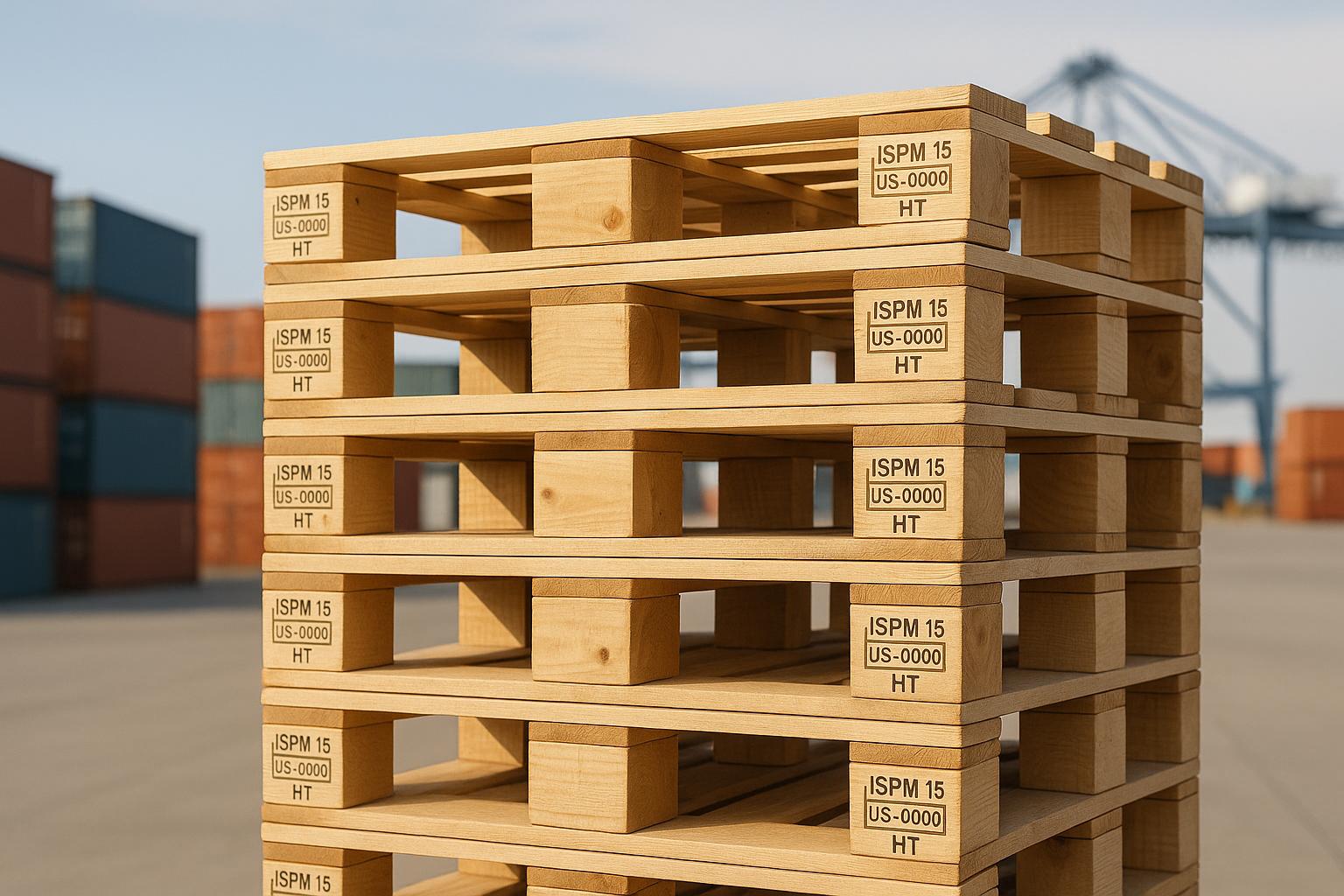
After treatment, pallets must be stamped with an official ISPM 15 mark to indicate compliance.
Decoding the IPPC Stamp
The stamp includes:
- The IPPC symbol
- Country code (e.g., KE for Kenya)
- Unique producer or treatment provider number
- Treatment code (HT for heat treatment)
This marking allows authorities worldwide to verify compliance quickly and efficiently.
Types of Pallets Used in Export
Wooden vs Plastic Pallets
| Feature | Wooden Pallets | Plastic Pallets |
|---|---|---|
| Cost | Lower | Higher |
| Compliance | Requires treatment | Naturally compliant |
| Durability | Moderate | High |
| Sustainability | Recyclable | Reusable |
Wooden pallets remain the most widely used in Kenya due to affordability, but they require careful maintenance to remain compliant.
Recycled and Repaired Pallets
Recycled pallets can be reused if they are structurally sound and retain valid ISPM 15 markings. However, repairs must follow strict guidelines.
If a pallet undergoes significant repair, it may require re-treatment and re-stamping to remain compliant.
ISPM 15 Compliant Pallet Maintenance for Kenyan Export Operations
Inspection Procedures
Regular inspections are essential to ensure pallets remain compliant throughout their lifecycle.
Frequency of Inspections
Best practices recommend:
- Inspecting pallets before every shipment
- Conducting routine warehouse checks monthly
- Inspecting immediately after repairs
During inspections, check for:
- Structural damage such as cracks or broken boards
- Signs of pest infestation
- Missing or unclear ISPM 15 stamps
Cleaning and Storage Practices
Maintaining clean and properly stored pallets reduces contamination risks and prolongs usability.
Preventing Contamination
Key practices include:
- Storing pallets off the ground using racks
- Keeping storage areas dry and well-ventilated
- Avoiding contact with untreated wood
Regular cleaning removes dirt, mold, and debris, helping maintain compliance standards.
Repair and Re-Treatment Guidelines
When Repairs Require Re-Treatment
If more than one-third of a pallet is replaced, ISPM 15 regulations require:
- Re-treatment of the pallet
- Application of a new compliance stamp
Approved Repair Methods
To maintain compliance:
- Use only certified, treated wood for repairs
- Follow standardized repair procedures
- Document all maintenance activities
Proper repair practices ensure pallets remain safe and compliant for export use.
Documentation and Record Keeping
Export Documentation Requirements
Accurate documentation is critical for demonstrating compliance during inspections and audits. Exporters should maintain:
- Heat treatment certificates
- Supplier verification records
- Inspection logs
Audit Readiness
Regulatory bodies may conduct periodic audits. Being prepared with organized records ensures smooth verification processes and avoids penalties.
Common Challenges in Kenya
Climate and Pest Risks
Kenya’s warm and humid climate creates ideal conditions for pests, increasing the importance of proper pallet treatment and maintenance.
Cost and Infrastructure Limitations
Some exporters face challenges such as:
- Limited access to certified treatment facilities
- High compliance costs
- Inadequate storage infrastructure
Addressing these challenges requires strategic planning and investment.
Best Practices for Exporters
Staff Training and Awareness
Training employees ensures they understand:
- ISPM 15 requirements
- Proper inspection techniques
- Handling and storage procedures
Partnering with Certified Providers
Working with certified pallet suppliers and treatment facilities helps ensure consistent compliance and reduces risk.
Role of Regulatory Bodies
Kenya Plant Health Inspectorate Service (KEPHIS)
KEPHIS is responsible for enforcing ISPM 15 standards in Kenya. It certifies treatment providers and conducts inspections to ensure compliance.
International Plant Protection Convention (IPPC)
The IPPC sets global phytosanitary standards and provides guidelines followed by member countries.
Technological Solutions in Pallet Maintenance
Tracking and Monitoring Systems
Digital tracking systems help exporters monitor pallet usage, condition, and compliance status in real time.
Automation in Treatment Processes
Modern heat treatment facilities use automated systems to ensure precise temperature control and consistent results.
Environmental Considerations
Sustainable Pallet Management
Using sustainably sourced wood and minimizing waste supports environmental conservation.
Recycling and Reuse
Reusing pallets reduces operational costs and environmental impact while maintaining compliance.
Cost-Benefit Analysis
Long-Term Savings
Investing in compliance reduces:
- Fines and penalties
- Shipment losses
- Operational disruptions
Avoiding Export Delays
Efficient pallet maintenance ensures timely delivery, which is critical for maintaining customer satisfaction.
Case Studies from Kenyan Exporters
Success Stories
Many exporters have improved efficiency and reduced losses by implementing strict ISPM 15 compliance systems.
Lessons Learned
Key lessons include:
- Proactive maintenance prevents costly issues
- Staff training significantly improves compliance rates
FAQs
1. What is ISPM 15 compliance?
It is an international standard requiring treatment of wooden packaging materials to prevent pest spread.
2. Is ISPM 15 mandatory for all exports from Kenya?
It is required for exports to countries that enforce the regulation.
3. What happens if pallets are not compliant?
Shipments may be rejected, delayed, or destroyed.
4. Can pallets be reused?
Yes, if they remain compliant and structurally sound.
5. Who certifies ISPM 15 pallets in Kenya?
KEPHIS is responsible for certification and enforcement.
6. Are plastic pallets better than wooden pallets?
They are easier to maintain but more expensive.
Conclusion
ISPM 15 Compliant Pallet Maintenance for Kenyan Export Operations is a vital component of successful international trade. By following proper treatment, inspection, repair, and documentation practices, exporters can ensure compliance, reduce risks, and maintain strong global relationships.
Adopting these strategies not only prevents costly disruptions but also strengthens Kenya’s position in the global export market.



Add a comment