

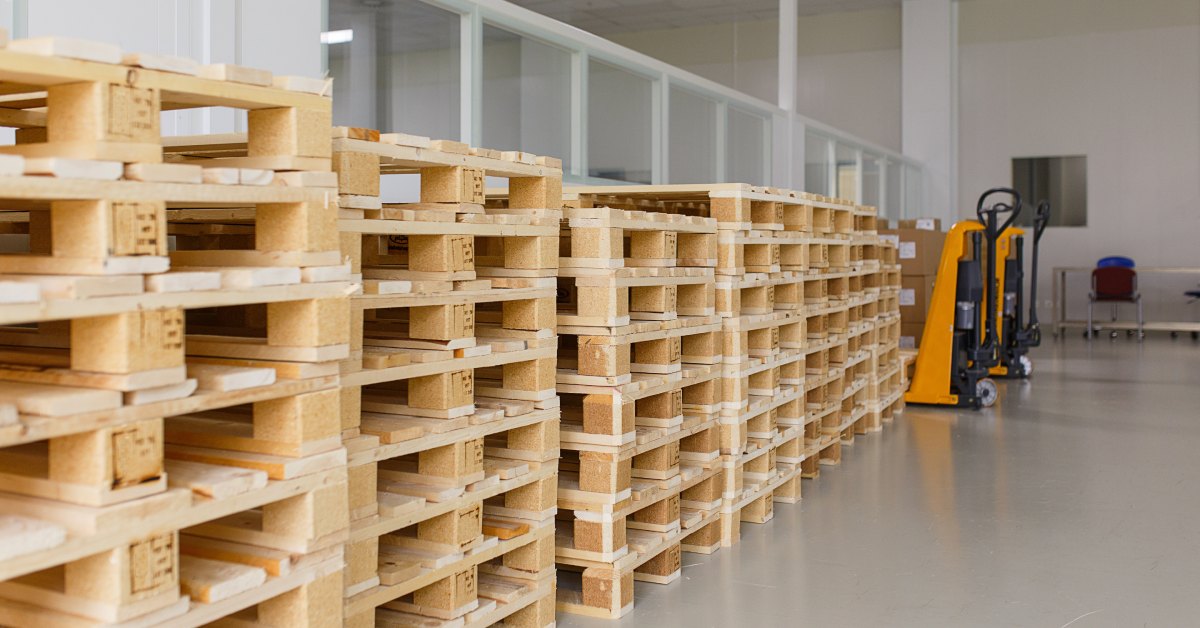
Built to Bear It: How Heavy Duty Pallets Are Redefining Industrial Storage
Introduction
In today’s fast-paced logistics and manufacturing world, storage solutions must be strong, efficient, and reliable. That’s where heavy duty pallets come in. These robust platforms are designed to carry massive loads, streamline warehouse operations, and support modern supply chains.
From manufacturing plants and distribution centers to export warehouses, heavy duty pallets are transforming how businesses store and transport goods. Unlike standard pallets, these reinforced systems are built with stronger materials, improved structural design, and higher load-bearing capacity.
Companies worldwide are increasingly adopting heavy duty pallets because they improve productivity, reduce product damage, and enhance safety across industrial environments. In fact, reinforced pallets can carry loads of up to 2,495 kg (5,500 lbs) depending on their construction, making them ideal for heavy machinery, chemicals, and large inventory shipments.
This article explores how heavy duty pallets are reshaping industrial storage, their key benefits, design features, applications, and why they have become a cornerstone of modern logistics.
Understanding Heavy Duty Pallets
What Are Heavy Duty Pallets?
Heavy duty pallets are industrial storage platforms engineered to handle extremely heavy loads and repeated use in demanding environments. They are typically constructed using reinforced wood, plastic, metal, or composite materials.
Their primary function is simple:
- Support large quantities of goods
- Allow easy movement using forklifts or pallet jacks
- Enable safe stacking and efficient storage
Unlike lightweight pallets, heavy duty versions are designed with thicker boards, stronger blocks, and reinforced support structures. These features distribute weight evenly and prevent bending or collapse under pressure.
In modern warehouses, pallets are essential because they standardize storage, making it easier to load trucks, organize inventory, and automate handling processes.
Types of Heavy Duty Pallets
Heavy duty pallets come in several materials, each suited to different industrial needs.
1. Wooden Heavy Duty Pallets
Wooden pallets are among the most common types used in logistics and manufacturing.
Advantages
- Cost-effective
- Easy to repair and refurbish
- Widely available
They are particularly popular in export industries because treated wooden pallets meet international shipping regulations.
2. Plastic Heavy Duty Pallets
Plastic pallets are increasingly used in industries requiring hygiene and durability.
Key Features
- Moisture resistant
- Easy to clean
- Long lifespan
Some models can last up to 10 years and handle dynamic loads between 1,500 and 5,000 kg depending on design.
These pallets are widely used in pharmaceutical, food, and chemical sectors where cleanliness is critical.
3. Metal Heavy Duty Pallets
Metal pallets, often made from steel or aluminum, offer exceptional strength.
Typical Uses
- Automotive parts
- Industrial machinery
- Construction materials
They are heavier and more expensive but extremely durable.
Why Heavy Duty Pallets Are Transforming Industrial Storage
1. Maximizing Warehouse Space
One of the biggest advantages of heavy duty pallets is their ability to improve storage density.
Because they support stronger stacking and integrate with pallet racking systems, businesses can store goods vertically instead of spreading them across floor space.
Some warehouses report 20–30% increases in usable storage capacity after switching to stronger pallet systems. (Deka Kraft)
This means companies can store more products without expanding their facilities.
2. Enhancing Operational Efficiency
Heavy duty pallets simplify material handling.
Instead of moving individual items, workers can move entire pallet loads using forklifts or pallet jacks.
Benefits include:
- Faster loading and unloading
- Reduced manual labor
- Improved workflow efficiency
Forklifts can transport large loads in fewer trips, saving time and reducing fuel costs in busy warehouses. (Deka Kraft)
3. Reducing Product Damage
Industrial goods often suffer damage during transport or storage due to weak support systems.
Heavy duty pallets provide a stable base that prevents shifting, crushing, or collapsing stacks.
Studies show that strong pallet systems can reduce cargo damage by 30–40% in logistics operations, particularly for export products. (Deka Kraft)
This directly improves product quality and lowers replacement costs.
4. Improving Workplace Safety
Safety is a major concern in warehouses and manufacturing plants.
Weak pallets can break during lifting, causing accidents or damaging expensive goods.
Heavy duty pallets improve safety by:
- Supporting heavier loads
- Maintaining stability during forklift handling
- Reducing risk of collapse
Companies using reinforced pallets have reported fewer workplace incidents related to pallet failures.
Key Design Features of Heavy Duty Pallets
Reinforced Structural Components
Heavy duty pallets are designed with strong legs or blocks that distribute weight evenly.
These structural supports often include internal ribbing or gussets that increase strength while maintaining manageable weight.
This engineering allows pallets to support heavy loads without bending.
Anti-Slip Surfaces
To prevent goods from sliding during transport, many heavy duty pallets feature:
- Textured deck surfaces
- Anti-slip coatings
- Molded grip points
These features increase friction between the pallet and the load, improving stability.
Stackability and Nesting
Efficient storage requires pallets that can be stacked or nested.
Heavy duty pallets are often designed to:
- Lock securely when stacked
- Nest together when empty
This reduces storage space when pallets are not in use.
Industries Benefiting from Heavy Duty Pallets
Heavy duty pallets are used across many sectors.
Manufacturing
Factories use pallets to move raw materials and finished products.
Agriculture and Export
Agricultural exporters rely on pallets to protect produce during transport.
Retail Distribution
Large distribution centers use pallet systems to organize inventory.
Construction
Heavy materials like cement, steel, and equipment are stored on reinforced pallets.
E-Commerce Warehousing
Online retail warehouses depend on pallets for rapid order fulfillment and inventory management.
Sustainability and Environmental Impact
Modern heavy duty pallets are also contributing to sustainability.
Wooden pallets can be repaired, reused, and recycled, extending their lifecycle.
Many plastic pallets are produced using recycled materials and can be recycled again at the end of their lifespan.
This circular approach helps reduce waste and supports greener supply chains.
For more information on sustainable logistics, explore resources from the World Economic Forum:
https://www.weforum.org
Future Trends in Pallet Technology
Industrial pallet systems continue to evolve.
Emerging innovations include:
Smart Pallets
Some companies are embedding RFID chips and sensors into pallets to track inventory in real time.
Hybrid Materials
Manufacturers are experimenting with composite pallets that combine wood, plastic, and recycled materials.
Automation-Ready Pallets
As warehouses adopt automation, pallets are being designed to integrate with conveyor systems and robotic forklifts.
These innovations will further improve efficiency and supply chain visibility.
Frequently Asked Questions (FAQs)
1. What makes a pallet “heavy duty”?
A heavy duty pallet is designed with reinforced materials and structural supports that allow it to carry significantly heavier loads than standard pallets.
2. How much weight can heavy duty pallets hold?
Some reinforced pallets can support up to 5,500 pounds (2,495 kg) depending on the material and design.
3. Are plastic pallets better than wooden pallets?
It depends on the application. Plastic pallets offer hygiene and durability, while wooden pallets are cheaper and easier to repair.
4. Why are pallets important in warehouses?
Pallets enable efficient storage, easier transport with forklifts, and safer stacking of goods.
5. Can heavy duty pallets reduce logistics costs?
Yes. Their durability reduces replacement costs and improves efficiency in material handling.
6. Are heavy duty pallets environmentally friendly?
Many pallets are reusable and recyclable, making them a sustainable option for logistics operations.
Conclusion
Heavy duty pallets are far more than simple storage platforms—they are the backbone of modern industrial logistics.
By supporting heavier loads, improving warehouse efficiency, and reducing product damage, these robust systems are redefining how goods move through global supply chains.
As industries continue to grow and automation expands, the demand for durable, intelligent pallet systems will only increase. Businesses that invest in high-quality heavy duty pallets today are positioning themselves for safer, faster, and more efficient operations in the future.



Add a comment