

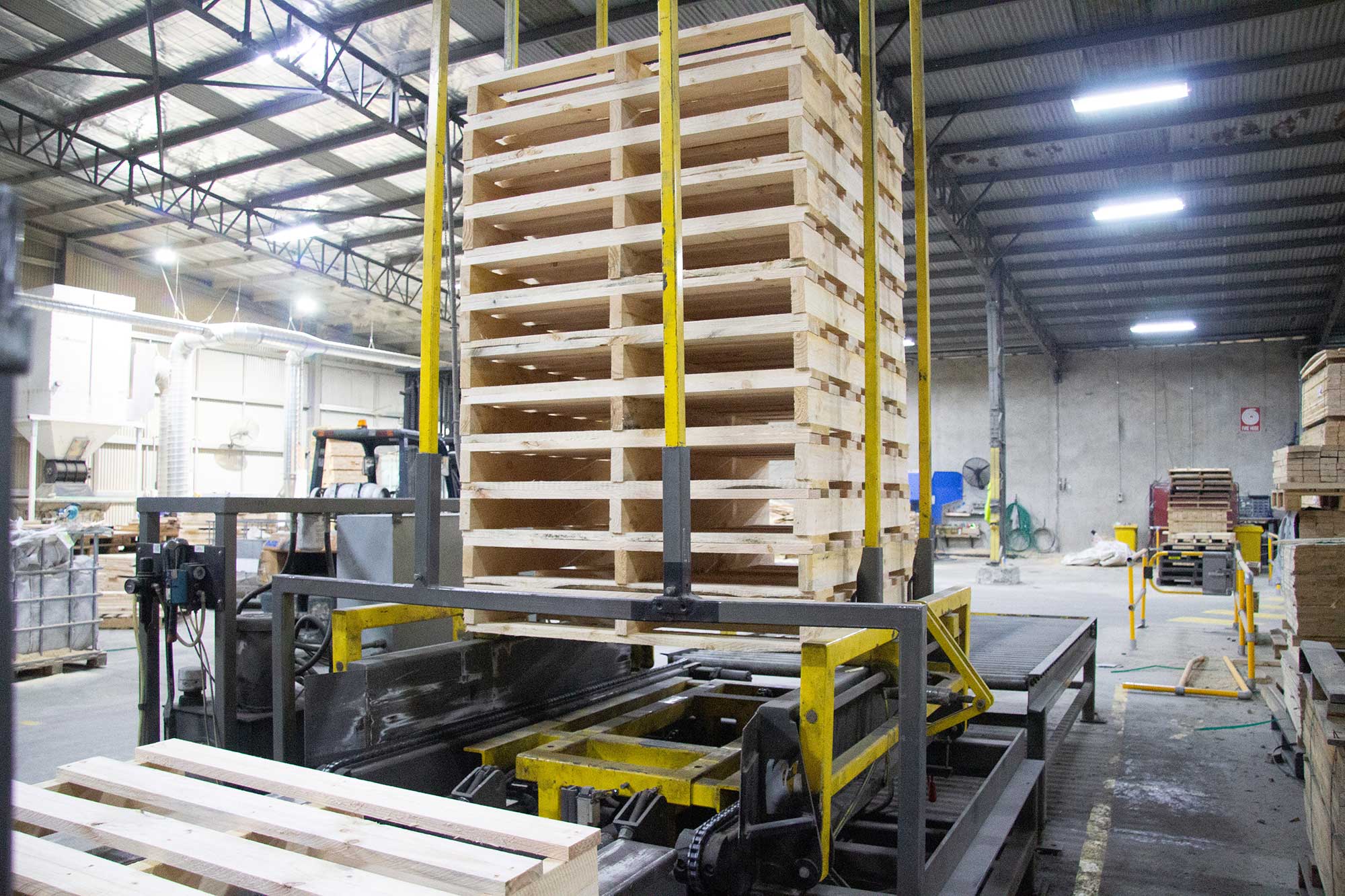
7 Powerful Insights: The Science Behind Heavy Duty Pallets — and Why Load Capacity Matters More Than You Think
Introduction to Heavy Duty Pallets in Modern Logistics
Heavy duty pallets are the quiet workhorses of global logistics. From warehouses to cargo ships, these platforms support massive loads every day without attracting much attention. Yet, the engineering behind them is far more sophisticated than most people realize.
Understanding The Science Behind Heavy Duty Pallets — and Why Load Capacity Matters More Than You Think is essential for businesses that move heavy goods. A pallet might seem like a simple platform made of wood or plastic, but its design directly affects safety, transportation efficiency, and supply chain costs.
A poorly designed pallet can lead to product damage, worker injuries, or even warehouse accidents. On the other hand, well-engineered heavy duty pallets improve load stability, reduce losses, and enhance operational efficiency.
In this article, we’ll explore the engineering principles, materials, load capacity science, and practical considerations behind heavy duty pallets. By the end, you’ll understand why selecting the right pallet is more important than many companies initially think.
Understanding Load Capacity in Pallet Engineering
Load capacity is the most critical performance factor when evaluating pallets. Simply put, it refers to the maximum weight a pallet can safely carry without failing.
However, pallet load capacity is not a single number. Engineers measure it in several ways depending on how the pallet is used.
Static vs Dynamic Load Capacity
Two common load measurements are static load capacity and dynamic load capacity.
Static load capacity refers to the weight a pallet can hold when it is resting on a flat surface without movement. This scenario occurs when pallets are stacked in a warehouse or storage area.
For example:
| Load Type | Definition | Typical Use Case |
|---|---|---|
| Static Load | Weight supported while stationary | Warehouse stacking |
| Dynamic Load | Weight supported while moving | Forklift transport |
| Racking Load | Weight supported on rack beams | Warehouse racking systems |
Dynamic load capacity is usually lower because movement introduces vibration and shifting forces.
Racking Load Capacity Explained
Racking load capacity is often the most demanding condition. When a pallet sits on warehouse rack beams, only the edges are supported. The middle section must resist bending forces.
If a pallet is not designed for racking, it may sag or break under heavy loads. That’s why industries such as manufacturing and heavy logistics rely on specially reinforced heavy duty pallets.
Real-World Examples of Load Failures
Improper load capacity can lead to serious problems, such as:
- Collapsed pallet stacks
- Product damage during shipping
- Forklift accidents
- Warehouse rack failures
According to supply chain safety research, pallet failures cause millions of dollars in damage every year. Companies that underestimate load requirements often pay the price through product loss and operational delays.
The Materials Used in Heavy Duty Pallets
The material used to manufacture pallets plays a significant role in their strength, durability, and load capacity.
Wood Pallets
Wood pallets are the most common type worldwide. They are affordable, easy to repair, and widely available.
Advantages include:
- Low production cost
- High friction (prevents slipping loads)
- Easy customization
However, wood pallets can suffer from:
- Moisture damage
- Splintering
- Reduced lifespan under heavy loads
Plastic Pallets
Plastic pallets are increasingly popular in industries that require hygiene and durability.
Benefits include:
- Resistant to moisture and chemicals
- Consistent dimensions
- Longer service life
Plastic pallets often perform better in automated warehouses and cold storage environments.
For more insights on pallet material science, the Material Handling Industry provides valuable research resources:
https://www.mhi.org
Metal and Composite Pallets
For extremely heavy loads, metal pallets made from steel or aluminum are sometimes used.
These pallets offer:
- Exceptional load capacity
- High durability
- Resistance to extreme environments
Composite pallets—made from engineered materials—combine the benefits of plastic and wood while maintaining excellent structural integrity.
The Structural Design of High-Strength Pallets
The structure of a pallet determines how well it distributes weight and resists stress.
Deck Boards and Stringers
Traditional pallets use deck boards supported by stringers.
Stringers act like beams that carry the weight of the load. Their thickness, spacing, and material determine how much weight the pallet can safely support.
Block Pallet Design
Block pallets are stronger and more stable because they use blocks instead of stringers for support.
Advantages include:
- Four-way forklift access
- Improved load distribution
- Greater structural stability
This design is commonly used in international shipping and heavy logistics.
Reinforcement Techniques
Manufacturers often strengthen heavy duty pallets using:
- Steel rods
- Additional deck boards
- Reinforced corners
- Structural ribs in plastic pallets
These enhancements significantly increase load capacity and durability.
How Weight Distribution Affects Pallet Performance
Even the strongest pallet can fail if weight is distributed unevenly.
Centered vs Uneven Loads
A centered load ensures the pallet structure carries weight evenly. Uneven loads create pressure points that can cause bending or breakage.
Best practices include:
- Place heavier items in the center
- Avoid overhanging products
- Secure loads with stretch wrap or straps
Stacking and Compression Forces
Stacking pallets creates vertical compression forces. The bottom pallet in a stack must support the weight of everything above it.
This is why heavy duty pallets are designed with compression strength in mind.
Testing and Standards for Pallet Load Capacity
To ensure reliability, manufacturers test pallets using standardized methods.
Industry Testing Methods
Common tests include:
- Load compression testing
- Drop testing
- Vibration simulation
- Racking deflection testing
These tests replicate real-world shipping conditions.
International Standards and Certifications
Several organizations establish pallet performance standards, including:
- ISO pallet standards
- ASTM testing methods
- National packaging and logistics guidelines
Compliance ensures pallets meet safety and performance expectations.
Innovations in Heavy Duty Pallet Technology
Technology continues to transform pallet design and functionality.
Smart Pallets and IoT Tracking
Modern pallets can now include sensors that track:
- Location
- Temperature
- Shock and vibration
These smart pallets improve visibility across supply chains.
Sustainable Pallet Materials
Sustainability is also shaping pallet manufacturing. Many companies now produce pallets from:
- Recycled plastics
- Engineered wood fibers
- Biodegradable composites
These innovations reduce environmental impact while maintaining strength.
FAQs About Heavy Duty Pallets and Load Capacity
1. What is the average load capacity of a heavy duty pallet?
Most heavy duty pallets support between 2,000 and 5,000 pounds, depending on material and design.
2. Why does racking load capacity matter?
Racking places stress on pallet edges, making it one of the most demanding conditions for structural strength.
3. Are plastic pallets stronger than wooden pallets?
Not always. Some plastic pallets outperform wood, but reinforced wood pallets can also handle very heavy loads.
4. Can pallets fail even if they meet weight limits?
Yes. Poor weight distribution or damage can cause failure even below rated capacity.
5. How long do heavy duty pallets typically last?
High-quality pallets can last 5–10 years or longer, depending on usage and maintenance.
6. How do businesses choose the right pallet type?
Companies consider factors such as load weight, shipping method, warehouse systems, and environmental conditions.
Conclusion
The science behind pallet engineering is far more complex than it appears at first glance. From material selection to structural design, every aspect influences how much weight a pallet can safely support.
Understanding The Science Behind Heavy Duty Pallets — and Why Load Capacity Matters More Than You Think helps businesses reduce risk, improve efficiency, and protect valuable goods during transportation.
By choosing pallets designed for the correct load capacity and usage environment, companies can prevent costly failures and ensure smoother supply chain operations.



Add a comment