


Lightweight, Durable, Game-Changing: The Future of Wooden Pallet Design
Wooden pallets have been a staple in logistics and supply chain management for decades. However, as industries evolve and environmental concerns rise, the need for lightweight, durable, and innovative pallet designs has become more pressing. This article explores the advancements shaping the future of wooden pallets and why they remain the go-to solution for businesses worldwide.
The Evolution of Wooden Pallets
Traditional wooden pallets have long been the backbone of transportation and warehousing. While they offer affordability and reusability, they also present challenges such as weight, splintering, and susceptibility to moisture. Enter engineered wood, composite materials, and smart pallet technology—innovations designed to tackle these issues head-on.
Why Wooden Pallets Still Dominate the Market
Despite competition from plastic and metal alternatives, wooden pallets remain the preferred choice due to:
- Cost-effectiveness: They are significantly cheaper than plastic or metal pallets.
- Sustainability: Wood is a renewable resource, and pallets can be repaired, reused, or recycled.
- Customization: Different industries require varying pallet sizes, strengths, and coatings—wood offers adaptability.
Challenges with Conventional Wooden Pallets
While widely used, traditional wooden pallets have limitations:
- Weight: Heavier pallets increase transportation costs.
- Durability: Wooden pallets degrade faster than plastic or metal alternatives.
- Environmental Impact: Wood sourcing raises concerns about deforestation and waste.
Key Innovations in Modern Wooden Pallet Design
1. Lightweight Construction
- The use of engineered wood and high-strength adhesives reduces weight without compromising durability.
2. Enhanced Durability
- Reinforced wooden composites and protective coatings extend lifespan.
3. Smart Pallets
- RFID and IoT sensors enable real-time tracking and condition monitoring.
Sustainable and Eco-Friendly Advancements
- Utilizing recycled wood minimizes waste.
- Biodegradable treatments replace harmful chemicals.
- Carbon footprint reduction strategies enhance sustainability.
The Role of Automation in Pallet Production
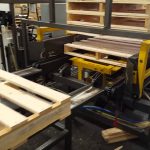
Automated manufacturing processes improve precision, efficiency, and eco-friendliness. CNC machining ensures uniformity, while AI-driven quality control detects defects early, reducing waste.
Industry-Specific Customization Trends
- Food & Beverage: Heat-treated, moisture-resistant pallets.
- Pharmaceuticals: Temperature-sensitive solutions.
- E-commerce: Space-saving, lightweight designs.
Comparing Wooden Pallets to Alternative Materials
| Feature | Wooden Pallets | Plastic Pallets | Metal Pallets |
|---|---|---|---|
| Cost | Affordable | Expensive | Very Expensive |
| Durability | Moderate | High | Very High |
| Weight | Moderate | Light | Heavy |
| Sustainability | High | Low | Low |
Economic Benefits of Next-Generation Wooden Pallets
- Lower transportation costs due to reduced weight.
- Increased lifespan, reducing frequent replacements.
- Minimal maintenance expenses.
Regulations and Compliance in the Pallet Industry
- ISPM-15 Certification ensures safe international shipment.
- Sustainability certifications validate eco-friendly practices.
How Businesses Can Transition to Advanced Wooden Pallets
- Assess current logistics needs.
- Partner with innovative pallet manufacturers.
- Consider long-term cost savings and ROI.
Case Studies: Companies Leading the Change
Several companies have successfully integrated lightweight, durable pallets into their operations, reducing costs and enhancing sustainability.
Future Trends and Predictions
- AI-driven logistics will optimize pallet tracking.
- Circular economy models will promote reusable pallet systems.
Conclusion
Wooden pallets are evolving to meet modern logistics needs. By embracing lightweight materials, durability improvements, and smart technologies, businesses can achieve cost savings, enhance efficiency, and reduce environmental impact.
FAQs
- Are wooden pallets better than plastic pallets?
- Wooden pallets are more sustainable and cost-effective, while plastic pallets are more durable but expensive.
- What are the best ways to make wooden pallets last longer?
- Use protective coatings, store them properly, and repair damaged sections.
- How do smart pallets work?
- They use RFID and IoT sensors for tracking, monitoring conditions, and optimizing logistics.
- Are there biodegradable wooden pallets?
- Yes! New treatments allow wooden pallets to decompose naturally without harming the environment.
- What industries benefit the most from advanced wooden pallets?
- E-commerce, food & beverage, pharmaceuticals, and logistics.


Add a comment