

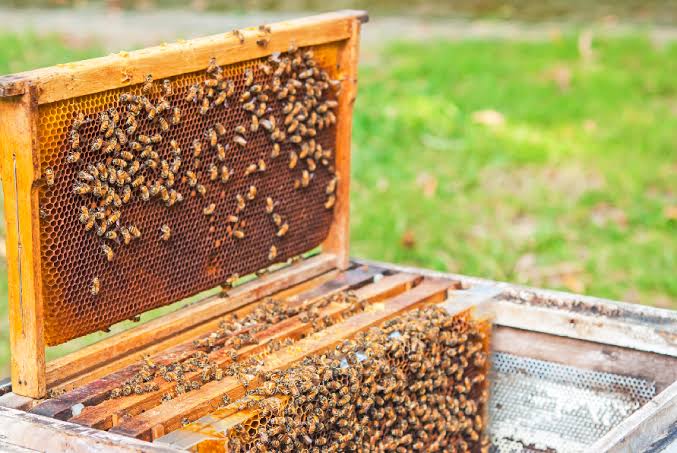
Built to Last: The Craftsmanship Behind Durable, Climate-Ready Beehives in Kenya
A beehive is one of the most important investments a beekeeper can make. While colony management, forage availability, and seasonal conditions all influence honey production, the quality of the hive itself determines how well a bee colony is protected throughout the year.
Kenya’s diverse climate presents unique challenges for beekeepers. Hives in Turkana must withstand intense heat, while those in Nyeri, Kericho, and parts of the Rift Valley experience cooler temperatures and heavy seasonal rainfall. In coastal regions, humidity can accelerate timber deterioration if the hive is poorly constructed.
This is why craftsmanship matters. A well-manufactured wooden beehive is more than a collection of timber panels—it’s a carefully engineered structure designed to provide a stable environment for bees while delivering years of reliable performance.
In this article, we explore the manufacturing process behind high-quality Kenyan beehives and why investing in superior craftsmanship pays dividends for beekeepers.
Why Beehive Quality Matters
Every bee colony relies on its hive for protection against weather, predators, pests, and environmental stress.
A poorly built hive may develop problems such as:
- Warped timber
- Loose joints
- Roof leaks
- Poor ventilation
- Moisture damage
- Structural instability
- Cracks that allow pests inside
These issues can stress bee colonies, increase maintenance costs, and reduce honey production over time.
Professionally manufactured hives are designed to avoid these problems by combining quality materials with precision craftsmanship.
Craftsmanship Begins with Timber Selection
Every durable beehive starts with carefully selected timber.
The quality of the wood affects:
- Structural strength
- Weather resistance
- Dimensional stability
- Lifespan
- Ease of maintenance
Manufacturers should choose timber that is:
- Properly seasoned
- Free from excessive warping
- Resistant to splitting
- Suitable for outdoor use
- Easy to machine accurately
Guidance from the FAO also recommends using timber that resists warping, rot, termites, and weather exposure while avoiding woods that repel bees. (FAOHome)
Proper Timber Seasoning Prevents Future Problems
Freshly cut timber contains high levels of moisture.
If used before proper drying, the wood can:
- Shrink after assembly
- Twist out of shape
- Crack during hot weather
- Create gaps between joints
- Weaken the overall structure
Professional manufacturers allow timber to season before production, improving dimensional stability and reducing the likelihood of future movement.
This simple step significantly extends the working life of the hive.
Precision Cutting Ensures Every Piece Fits Perfectly
Quality beehives depend on accurate dimensions.
Small measurement errors can create:
- Gaps that allow pests to enter
- Poorly fitting lids
- Loose hive components
- Incorrect bee space
- Reduced colony efficiency
Precision machining ensures every panel, frame, top bar, and roof section fits together correctly, creating a secure and stable environment for the colony.
Strong Joinery Creates Long-Term Durability
The strength of a beehive depends not only on the timber but also on how the individual components are assembled.
Professional manufacturers use robust joinery techniques that:
- Improve structural integrity
- Resist movement over time
- Reduce vibration during transport
- Support repeated inspections
- Increase the lifespan of the hive
Strong joints are especially important for commercial apiaries where hives are frequently moved or handled during harvesting.
Weather-Ready Construction for Kenyan Conditions
Kenya’s climate varies dramatically from one region to another.
A quality hive should perform equally well in:
- Hot, dry ASAL regions
- Humid coastal environments
- Cool highland areas
- Seasonal rainfall zones
Climate-ready construction includes:
- Secure roofing
- Proper drainage
- Tight-fitting joints
- Stable timber
- Good ventilation
- Durable external finishes
These features help protect colonies throughout the year while reducing maintenance requirements.
Research on climate-smart beekeeping in Kenya has highlighted the importance of hive technologies that protect colonies against climate-related challenges and improve honey production. (JKUAT OJS)
Ventilation Is a Critical Design Feature
Healthy colonies require proper airflow.
Without adequate ventilation, moisture can accumulate inside the hive, increasing the risk of mould, damaged comb, and unhealthy conditions.
Well-designed wooden hives provide:
- Controlled airflow
- Reduced condensation
- Better temperature regulation
- Healthier brood development
Good ventilation becomes especially important during rainy seasons and in humid regions.
Built for Easy Hive Management
A durable hive should also be practical for the beekeeper.
Professionally manufactured hives make it easier to:
- Inspect colonies
- Harvest honey
- Replace components
- Monitor brood development
- Control pests and diseases
Precision construction reduces the risk of damaging combs or disturbing bees during routine management.
Durability Lowers Long-Term Costs
While premium hives may cost slightly more initially, they often provide better long-term value.
Durable construction reduces:
- Repair expenses
- Replacement frequency
- Harvest interruptions
- Labour requirements
- Equipment downtime
Instead of replacing poorly built hives every few seasons, beekeepers can continue using well-crafted equipment for many years with routine maintenance.
Locally Manufactured Means Locally Optimised
Kenyan manufacturers understand the realities of local beekeeping.
Unlike imported products designed for different climates, locally manufactured hives are built with Kenyan conditions in mind.
Benefits include:
- Faster production
- Easier repairs
- Readily available replacement parts
- Custom manufacturing options
- Better understanding of local beekeeping practices
Supporting local manufacturers also strengthens Kenya’s agricultural supply chain while creating employment opportunities in woodworking and manufacturing.
Quality Craftsmanship Supports Better Honey Production
A hive does not produce honey—healthy, productive bee colonies do.
However, quality craftsmanship provides the conditions bees need to thrive.
Well-built hives help by:
- Protecting colonies from weather
- Maintaining structural stability
- Simplifying inspections
- Improving ventilation
- Reducing stress during harvesting
Modern hive designs such as the Kenya Top-Bar and Langstroth are widely used because they make colony management more efficient and support productive beekeeping. The Kenya Top-Bar hive can produce approximately 15–20 kg per harvest under favourable conditions, while Langstroth hives in suitable areas can achieve even higher yields with good management. (Kenya Veterinary Department)
What to Look for in a Quality Beehive
Before purchasing a beehive, ask the manufacturer about:
- Timber species used
- Seasoning process
- Construction methods
- Fasteners and hardware
- Roof materials
- Ventilation design
- Quality control procedures
- Warranty or after-sales support
A reputable manufacturer will be transparent about their production standards and happy to explain how their hives are built.
Investing in Craftsmanship Is Investing in Your Apiary
A beehive is not simply another piece of farm equipment—it is the home of your bee colony and the foundation of your beekeeping success.
Choosing a professionally manufactured hive means investing in:
- Longer equipment life
- Healthier colonies
- Lower maintenance costs
- Better harvesting efficiency
- Greater long-term profitability
Whether you’re managing ten hives or several hundred, quality craftsmanship remains one of the smartest investments you can make.
Frequently Asked Questions
1. Why is timber quality important when manufacturing beehives?
High-quality, seasoned timber resists warping, splitting, and decay, helping maintain the hive’s structural integrity and creating a stable environment for bee colonies.
2. How long should a well-built wooden beehive last?
With quality materials, professional construction, and proper maintenance, a wooden beehive can provide many years of reliable service.
3. What makes a beehive climate-ready?
Climate-ready hives feature seasoned timber, durable roofs, strong joints, proper ventilation, and construction designed to withstand Kenya’s heat, rainfall, and varying humidity levels.
4. Why is proper ventilation important?
Good ventilation regulates moisture and temperature inside the hive, helping reduce condensation and creating healthier conditions for brood development and honey storage.
5. Are locally manufactured beehives better than imported ones?
Locally manufactured hives are often designed specifically for Kenya’s climate and beekeeping practices, making them easier to maintain while supporting local businesses and manufacturing.
6. Which hive types are most commonly manufactured in Kenya?
The two most popular modern hive designs are the Kenya Top-Bar Hive and the Langstroth Hive, each suited to different beekeeping goals and production scales. (Kenya Veterinary Department)
Build Your Apiary with Deka Kraft’s Expert Craftsmanship
A quality beehive is built long before bees move in. From selecting seasoned timber to precision cutting, strong joinery, and rigorous quality control, every stage of the manufacturing process contributes to the long-term success of your apiary.
At Deka Kraft, we manufacture durable Kenya Top-Bar and Langstroth beehives engineered for Kenya’s diverse climates and demanding field conditions. Every hive is crafted for strength, longevity, and reliable performance, helping beekeepers protect their colonies and maximise honey production year after year.
Contact Deka Kraft today to learn more about our beehive manufacturing services, request a quotation, or place an order for high-quality wooden beehives built to last.
Add a comment