

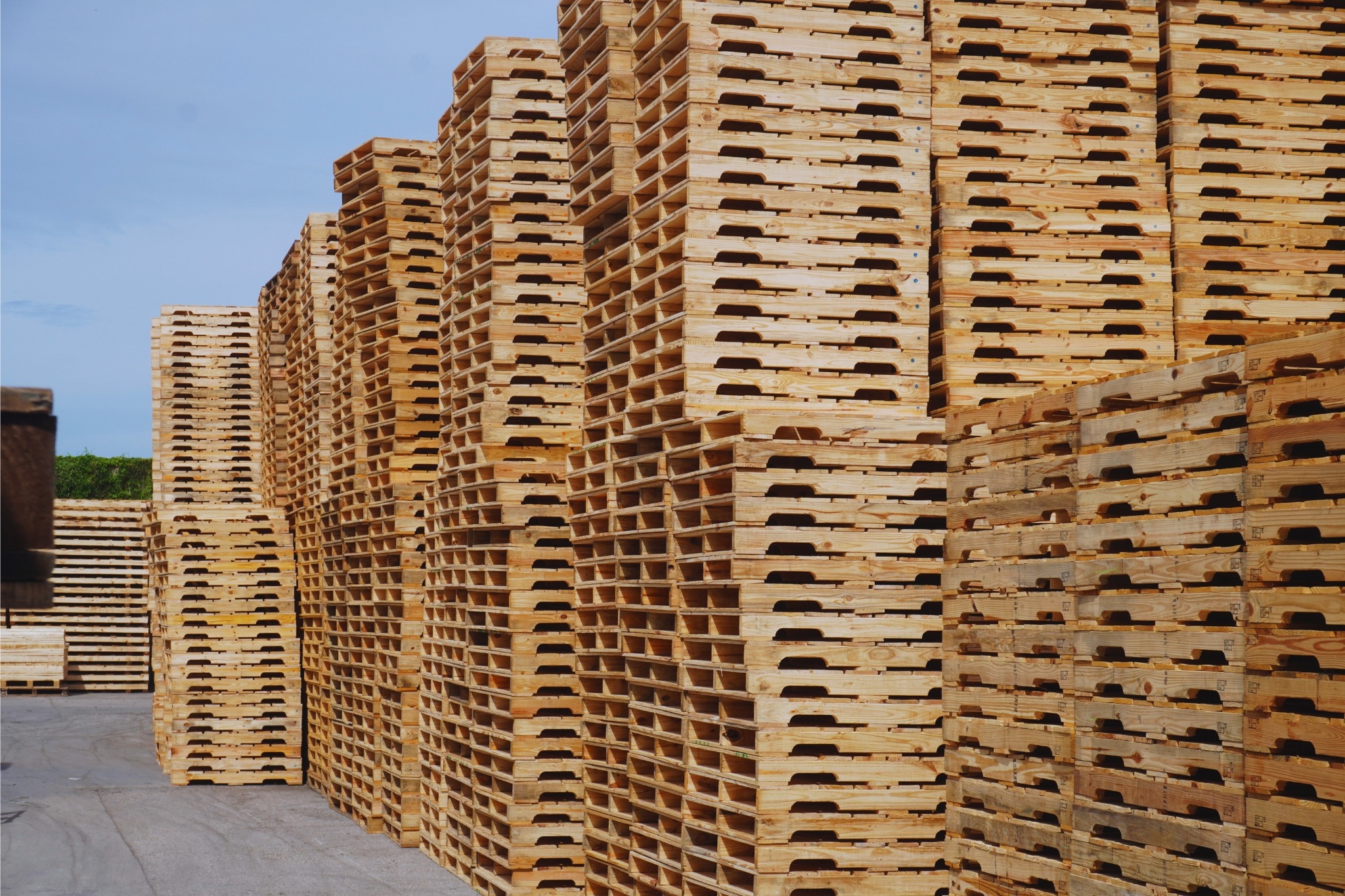
A Manufacturer’s Complete Guide to Buying New Wooden Pallets in Bulk
Introduction to Wooden Pallets in Manufacturing
When it comes to logistics and supply chain efficiency, A Manufacturer’s Complete Guide to Buying New Wooden Pallets in Bulk becomes an essential resource for businesses aiming to streamline operations. Wooden pallets are the backbone of modern warehousing and transportation, helping manufacturers move goods safely, efficiently, and cost-effectively.
From small factories to global enterprises, pallets play a critical role in ensuring products are stored securely and transported without damage. Choosing the right pallets—and buying them in bulk—can significantly reduce costs while improving operational efficiency.
Why Wooden Pallets Are Essential for Supply Chains
Wooden pallets are widely used because they are strong, affordable, and versatile. They support heavy loads and can be used across industries like food, pharmaceuticals, retail, and manufacturing.
Key benefits include:
- Easy handling with forklifts and pallet jacks
- Improved warehouse organization
- Reduced product damage during transit
- Compatibility with global shipping systems
Benefits of Buying New Wooden Pallets in Bulk
Buying in bulk offers several advantages:
- Lower cost per unit
- Consistent quality across shipments
- Better supplier relationships
- Reduced procurement frequency
Bulk purchasing also ensures you always have enough pallets during peak production periods, avoiding costly delays.
Understanding Different Types of Wooden Pallets
Choosing the right pallet type is crucial for your operations. Let’s explore the main options available.
Stringer Pallets vs Block Pallets
Differences in Structure and Strength
- Stringer pallets use three or more parallel pieces of wood to support the load
- Block pallets use blocks for added stability and four-way forklift entry
Block pallets are generally stronger and more durable, while stringer pallets are more cost-effective.
Standard vs Custom Pallets
When to Choose Custom Designs
Standard pallets (like 48” x 40”) are widely used, but custom pallets may be necessary if:
- Your products have unusual dimensions
- You require higher load capacity
- You want to optimize storage space
Custom pallets can improve efficiency but often come at a higher cost.
Key Factors to Consider Before Buying
Before making a bulk purchase, manufacturers must evaluate several critical factors.
Load Capacity and Durability
Static vs Dynamic Load Ratings
- Static load: weight a pallet can hold when stationary
- Dynamic load: weight it can carry while being moved
Always choose pallets that exceed your required load capacity to ensure safety and longevity.
Wood Type and Quality
Hardwood vs Softwood Comparison
| Feature | Hardwood | Softwood |
|---|---|---|
| Strength | High | Moderate |
| Cost | Higher | Lower |
| Durability | Long-lasting | Less durable |
| Weight | Heavier | Lighter |
Hardwood pallets are ideal for heavy-duty use, while softwood pallets are more economical for lighter loads.
Cost Analysis of Bulk Purchasing
Understanding pricing helps manufacturers make informed decisions.
Average Pricing for Bulk Wooden Pallets
Prices vary depending on:
- Size and design
- Wood type
- Treatment requirements
- Order quantity
Typically, bulk prices range from $10 to $25 per pallet depending on specifications.
Factors Affecting Price
- Raw material costs
- Labor and manufacturing processes
- Transportation and delivery fees
- Market demand
Cost Savings Strategies
To maximize savings:
- Negotiate long-term contracts
- Order during low-demand periods
- Compare multiple suppliers
- Standardize pallet sizes
Quality Standards and Certifications
Ensuring compliance with international standards is crucial.
ISPM-15 Compliance Explained
ISPM-15 is a global standard that requires wooden pallets to be heat-treated or fumigated to prevent pest infestations.
Importance for International Shipping
Without ISPM-15 certification:
- Shipments may be rejected
- Delays can occur
- Additional costs may arise
Always verify that your pallets meet export requirements.
Choosing the Right Supplier
Selecting a reliable supplier can make or break your purchasing strategy.
How to Evaluate Pallet Manufacturers
Look for:
- Industry experience
- Positive customer reviews
- Consistent product quality
- Certifications and compliance
Questions to Ask Suppliers
- What materials do you use?
- Are your pallets ISPM-15 certified?
- What is your production capacity?
- Do you offer customization?
Logistics and Storage Considerations
Efficient storage and handling are essential for bulk pallet purchases.
Warehouse Space Planning
Ensure your warehouse can accommodate large quantities by:
- Allocating dedicated pallet storage zones
- Using vertical stacking systems
- Maintaining clear access pathways
Safe Storage Practices
- Store pallets in dry, ventilated areas
- Avoid direct ground contact
- Regularly inspect for damage
Sustainability and Environmental Impact
Sustainability is becoming increasingly important in manufacturing.
Eco-Friendly Wood Sourcing
Choose suppliers that use responsibly sourced timber from certified forests.
Recycling and Reuse Options
Wooden pallets can be:
- Repaired and reused
- Recycled into wood chips
- Repurposed for other applications
Common Mistakes to Avoid
Overlooking Quality for Price
Cheaper pallets may lead to:
- Frequent replacements
- Product damage
- Higher long-term costs
Ignoring Supplier Reputation
Always research suppliers thoroughly to avoid unreliable partnerships.
Frequently Asked Questions (FAQs)
1. What size wooden pallets are most commonly used?
The standard size is 48” x 40”, widely accepted across industries.
2. Are new wooden pallets better than used ones?
Yes, new pallets offer better durability, hygiene, and consistency.
3. How many pallets should I order in bulk?
It depends on your operational needs, storage capacity, and usage rate.
4. Do wooden pallets require maintenance?
Minimal maintenance is needed, but regular inspections are recommended.
5. Can wooden pallets be customized?
Yes, manufacturers can design pallets to meet specific requirements.
6. What is the lifespan of a wooden pallet?
With proper use, they can last several years.
Conclusion
A Manufacturer’s Complete Guide to Buying New Wooden Pallets in Bulk highlights the importance of making informed purchasing decisions. From understanding pallet types to evaluating suppliers and ensuring compliance, every step plays a role in optimizing your supply chain.
By investing in high-quality pallets and buying in bulk, manufacturers can reduce costs, improve efficiency, and support sustainable practices. With the right approach, wooden pallets become more than just a logistics tool—they become a strategic asset.

Add a comment