

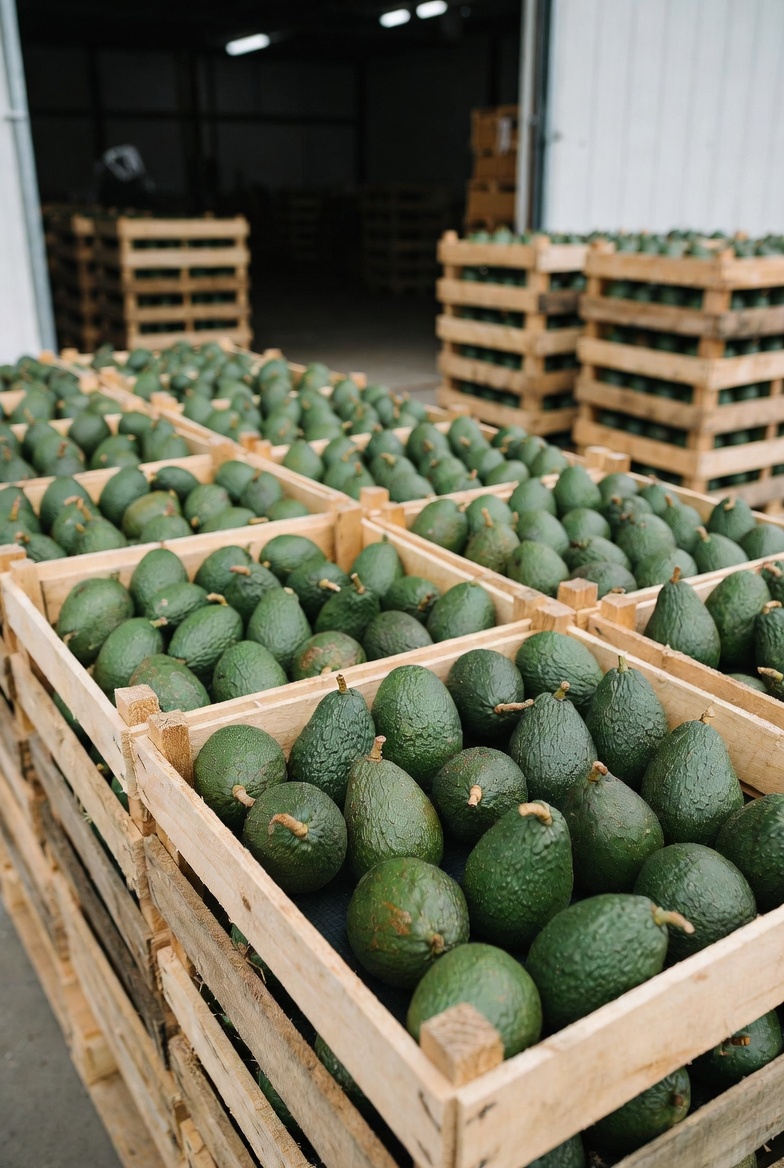
Ripened to Perfection: How Deka Kraft’s Wooden Boxes Are Revolutionising Kenya’s Avocado Exports
Kenya’s Booming Avocado Export Industry
Kenya’s Rise as a Global Avocado Powerhouse
Kenya has rapidly transformed into one of the most influential players in the global avocado trade. Over the last decade, the country’s agricultural sector has embraced avocado cultivation as a high-value export crop, particularly the Hass avocado, which is widely preferred in international markets for its creamy texture and rich flavor. What was once a modest domestic fruit has evolved into a major export commodity that supports thousands of farmers and contributes significantly to Kenya’s foreign exchange earnings.
Recent industry reports show that Kenya exports hundreds of thousands of tons of avocados annually, with the European Union, the Middle East, and China among the leading destinations. According to the Agriculture and Food Authority (AFA), avocado exports generate over $150 million per year, and the number continues to grow as global demand rises. The country now ranks among the top avocado exporters in Africa, competing with established global producers such as Mexico, Peru, and Chile.
This growth has created enormous opportunities for farmers, exporters, and logistics providers. However, expanding into international markets also means meeting strict standards related to fruit quality, shelf life, and sustainability. Importers expect avocados to arrive firm, unbruised, and capable of ripening evenly on store shelves. Meeting these expectations requires a carefully managed supply chain that begins at the orchard and extends all the way to overseas supermarkets.
Packaging has become one of the most critical elements in this process. A poorly designed package can accelerate ripening, cause bruising, or trap moisture that leads to spoilage. On the other hand, well-engineered packaging can preserve fruit freshness and ensure consistent ripening throughout the shipping journey. Recognizing this, many exporters are now adopting innovative solutions such as Deka Kraft’s wooden ripening boxes, which are specifically designed to maintain optimal conditions for avocados during long-distance transport.
The Growing Demand for Hass Avocados Worldwide
The global appetite for avocados has grown at an extraordinary pace over the past two decades. Once considered a niche fruit primarily consumed in Latin America, avocados have become a staple ingredient in modern diets across Europe, North America, and Asia. From avocado toast and smoothies to salads and sushi rolls, the fruit’s versatility and nutritional value have fueled its popularity worldwide.
Nutrition experts frequently highlight avocados as a superfood because they are rich in healthy monounsaturated fats, potassium, fiber, and essential vitamins such as vitamin E and vitamin K. A single avocado contains roughly 20 vitamins and minerals, making it an attractive choice for consumers who prioritize healthy eating. As plant-based diets and health-conscious lifestyles continue to trend globally, the demand for avocados has surged dramatically.
The numbers illustrate this remarkable growth. According to FAO data, global avocado production surpassed 8 million metric tons in recent years, with consumption steadily rising in major markets like the United States and the European Union. In Europe alone, avocado imports have more than tripled since 2010, and supermarkets now stock the fruit year-round to meet consumer demand.
For Kenya, this surge in demand represents a golden opportunity. The country’s favorable climate allows farmers to produce high-quality avocados with harvest seasons that complement those of other exporting nations. This seasonal advantage means Kenyan avocados can fill supply gaps in global markets when other producers are out of season.
However, meeting global demand is only part of the challenge. Exporters must ensure that avocados arrive at their destinations in perfect condition, capable of ripening evenly once they reach retail shelves. Achieving this requires not only efficient logistics but also advanced packaging solutions that protect the fruit while maintaining the delicate balance required for proper ripening. This is where innovations like Deka Kraft’s wooden boxes are beginning to transform the industry.
Post-Harvest Challenges in Avocado Export
The Delicate Nature of Avocado Ripening
Avocados have a unique biological characteristic that distinguishes them from many other fruits: they do not ripen on the tree. Instead, the ripening process begins only after the fruit is harvested. This trait offers exporters flexibility because avocados can be transported while still firm, allowing them to reach distant markets before becoming ready to eat.
Yet this advantage comes with a complex challenge. The ripening process must be carefully controlled throughout the journey from farm to consumer. Avocados release ethylene gas, a natural plant hormone that triggers ripening. If ethylene accumulates in enclosed spaces, the fruit may ripen too quickly or unevenly, reducing its shelf life and market value.
Temperature and airflow also play crucial roles in ripening behavior. During transportation, avocados are typically stored in refrigerated containers to slow down metabolic processes. However, even in cold storage, insufficient ventilation can cause localized heat buildup, which accelerates ripening and leads to inconsistent fruit quality.
Another issue is physical damage. Avocados may appear firm and healthy on the outside, but even slight pressure or impact can cause internal bruising. These bruises often remain invisible until the fruit ripens, at which point dark patches appear inside the flesh. When buyers discover such defects, entire shipments may be rejected or sold at significantly reduced prices.
For exporters shipping large volumes across continents, these challenges represent substantial financial risks. The key to overcoming them lies in creating a controlled environment where avocados can travel safely while maintaining the ideal conditions for gradual ripening. Packaging plays a central role in achieving this balance.
Packaging Problems That Affect Export Quality
Traditional avocado export packaging has relied heavily on corrugated cardboard cartons. These boxes are lightweight, inexpensive, and easy to stack on pallets, which explains their widespread use in the produce industry. However, cardboard packaging has several limitations that become apparent during long-distance shipments.
One of the most common issues is moisture absorption. Refrigerated shipping containers often maintain high humidity levels to preserve fruit freshness. Unfortunately, cardboard tends to absorb moisture in such environments, causing the material to weaken over time. When stacked under heavy loads, damp cartons may collapse or deform, putting pressure on the fruit inside.
Plastic crates offer greater durability but introduce different concerns. Some plastic containers lack adequate ventilation, which can trap ethylene gas and heat. Additionally, the environmental impact of plastic packaging has become a growing concern among regulators and consumers. Many international retailers now prefer suppliers who adopt eco-friendly packaging alternatives.
Another challenge is airflow management. Poorly designed packaging can restrict air circulation between layers of fruit, leading to uneven temperature distribution. In refrigerated containers, this can create “hot spots” where avocados ripen faster than the rest of the shipment.
These challenges have encouraged exporters to explore alternative packaging solutions that combine durability, ventilation, and sustainability. Deka Kraft’s wooden boxes have emerged as a promising option because they address many of these issues simultaneously.
The Innovation Behind Deka Kraft’s Wooden Boxes
What Makes These Wooden Boxes Different
Deka Kraft’s wooden boxes are not ordinary crates. They are carefully engineered packaging solutions designed specifically for fresh produce logistics, particularly for delicate fruits like avocados. Each box is constructed using high-quality wood that provides both structural strength and natural breathability.
One of the most distinctive features of these boxes is their ventilation design. Strategic gaps and slots allow air to circulate freely between stacked boxes, ensuring that refrigerated air flows evenly throughout the shipment. This improved airflow helps maintain consistent temperature and humidity levels, reducing the risk of premature ripening.
Wood also offers natural insulating properties that help stabilize internal conditions. Unlike plastic or cardboard, which can trap moisture or heat, wood allows subtle air exchange that prevents condensation buildup. This reduces the likelihood of mold formation or fruit spoilage.
Another important advantage is durability. Wooden boxes maintain their structural integrity even under heavy stacking conditions, protecting avocados from compression damage during transport.
Engineering Designed for Fresh Produce Logistics
The design of Deka Kraft’s boxes takes into account the entire export supply chain—from packing facilities in Kenya to refrigerated containers and distribution centers abroad. Each box is optimized to fit standard pallets and maximize container space efficiency.
Exporters appreciate this compatibility because it simplifies logistics operations. Workers can load and unload shipments quickly, reducing handling time and minimizing the risk of damage. At the same time, the sturdy construction ensures that the boxes remain intact throughout long journeys by sea.
Natural Ripening Through Smart Packaging
The Role of Airflow in Avocado Ripening
Airflow is one of the most underestimated factors in fruit logistics. Proper ventilation allows ethylene gas to disperse gradually, preventing the rapid accumulation that triggers premature ripening.
Wooden boxes naturally support passive ventilation, meaning they allow air to circulate without mechanical assistance.
Maintaining Ideal Conditions During International Shipping
During ocean transport, avocados may spend two to four weeks inside refrigerated containers. Maintaining stable conditions throughout this period is essential for preserving fruit quality.
Wooden boxes help maintain this stability by enabling even airflow and preventing moisture buildup.
Sustainability and Environmental Responsibility
Reducing Plastic and Cardboard Waste
Sustainability has become a defining issue in global agriculture. Consumers increasingly demand products that are grown and transported with minimal environmental impact.
Wooden packaging offers a renewable alternative to plastic materials.
Supporting Sustainable Agricultural Trade
Exporters who adopt environmentally responsible practices strengthen their reputation in international markets.
Economic Benefits for Kenyan Exporters
Lower Losses and Higher Profit Margins
Reducing spoilage and damage directly improves profitability for exporters.
Building Trust With International Buyers
Consistency in fruit quality strengthens long-term business relationships.
The Future of Avocado Export Packaging
Innovations Transforming the Fresh Produce Supply Chain
Technological advancements continue to reshape agricultural logistics.
Why Wooden Packaging Is Gaining Global Attention
Wood combines durability, ventilation, and sustainability in one solution.
Conclusion
Kenya’s avocado export industry is growing rapidly, but maintaining fruit quality during long-distance transport remains a major challenge. Innovations in packaging are helping exporters overcome these obstacles. Deka Kraft’s wooden boxes provide improved airflow, stronger protection, and environmentally responsible materials, making them a valuable tool for modern avocado logistics. By supporting controlled ripening and reducing losses, these boxes are helping Kenyan exporters deliver avocados that truly arrive ripened to perfection.
Frequently Asked Questions (FAQs)
1. Why are wooden boxes used for avocado exports?
They improve airflow, protect fruit from damage, and help maintain consistent ripening conditions during transport.
2. Are wooden boxes environmentally friendly?
Yes. When sourced from managed forests, wood is renewable and recyclable.
3. Do wooden boxes reduce fruit spoilage?
Improved ventilation and stronger structure help minimize bruising and uneven ripening.
4. Can wooden boxes be reused?
Many wooden packaging solutions are durable enough to be reused multiple times.
5. Why are Kenyan exporters adopting this packaging?
It improves fruit quality, reduces losses, and meets sustainability expectations in global markets.



Add a comment