

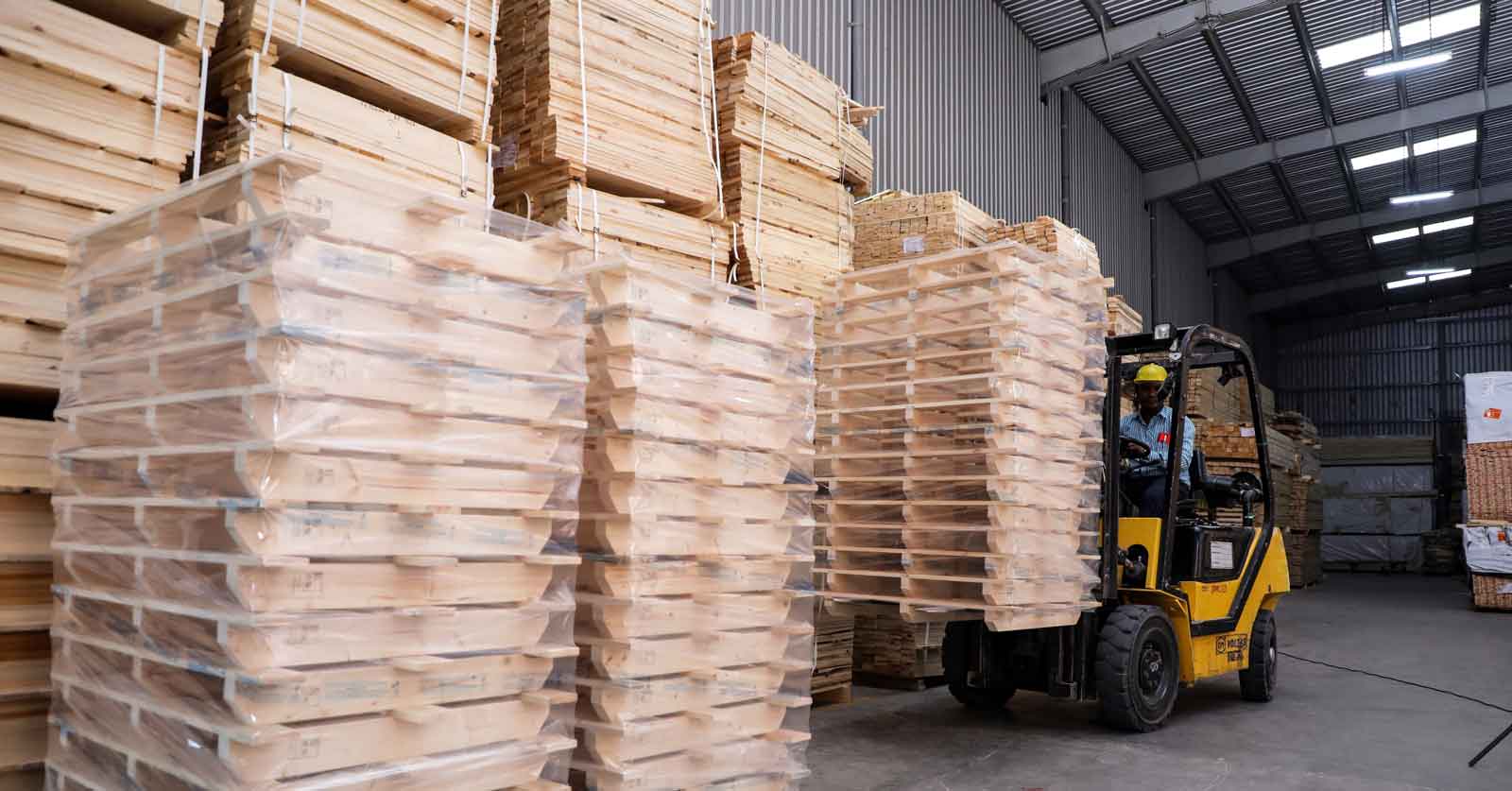
The 2026 Sustainability Drive: How Kenyan Manufacturers Can Lower Their Carbon Footprint with Locally Sourced Wooden Pallets
Understanding Kenya’s 2026 Sustainability Push
Kenya is stepping firmly into a new era of industrial sustainability. By 2026, the country’s environmental strategy is pushing businesses—especially manufacturers—to rethink how they produce, package, and transport goods. Climate concerns are no longer just political talking points; they’re shaping how companies operate day to day. From Nairobi’s industrial zones to manufacturing hubs in Mombasa, Nakuru, and Eldoret, the pressure to reduce carbon emissions is intensifying.
Kenya has already built a reputation as a climate leader in Africa. The nation generates more than 90% of its electricity from renewable sources, including geothermal, hydro, wind, and solar energy. But despite this progress, manufacturing and logistics still contribute significantly to the country’s greenhouse gas emissions. Packaging materials, shipping practices, and supply chain inefficiencies add layers of environmental impact that often go unnoticed.
This is where something surprisingly simple enters the conversation: wooden pallets. These humble platforms—used for transporting and storing goods—play a bigger role in supply chain sustainability than many people realize. Every shipment of tea, coffee, textiles, pharmaceuticals, or electronics typically moves on pallets. If those pallets are imported, plastic-based, or manufactured with high-energy processes, the carbon footprint multiplies.
By contrast, locally sourced wooden pallets offer a powerful sustainability advantage. They’re renewable, repairable, recyclable, and significantly less carbon-intensive when produced locally. Think of them as the unsung heroes of green logistics—quietly supporting entire supply chains while leaving a lighter environmental footprint.
For Kenyan manufacturers aiming to meet 2026 sustainability goals, switching to locally produced wooden pallets isn’t just a symbolic gesture. It’s a practical, scalable strategy that aligns with both environmental targets and economic development. And as global buyers increasingly demand sustainable supply chains, making this shift could be the difference between staying competitive—or falling behind.
Government Policies Driving Industrial Decarbonization
Kenya’s sustainability momentum isn’t happening by accident. A growing framework of environmental policies is actively steering industries toward lower-carbon operations. These policies form the backbone of the country’s broader climate commitment under international agreements such as the Paris Climate Accord.
One of the most influential initiatives is Kenya’s National Climate Change Action Plan (NCCAP), which outlines strategies for reducing emissions across key sectors. Manufacturing, transportation, and waste management all sit high on the priority list. The government is encouraging industries to adopt circular economy principles, reduce waste streams, and shift toward renewable materials wherever possible.
For manufacturers, this translates into increasing scrutiny of supply chain components. Packaging materials, storage systems, and transport equipment are no longer just operational details—they are now carbon accountability points. Companies exporting to Europe or North America are especially feeling the pressure, as new environmental standards such as the EU Carbon Border Adjustment Mechanism (CBAM) begin affecting international trade.
This policy landscape is nudging Kenyan businesses toward smarter sourcing decisions. Imported plastic pallets, for instance, often involve energy-intensive production and long-distance shipping. By the time they reach East African ports, their carbon footprint has already ballooned.
Locally produced wooden pallets tell a different story. Timber sourced from responsibly managed forests acts as a carbon storage medium, locking carbon inside the wood for years or even decades. When these pallets are manufactured locally, transportation emissions drop dramatically as well.
Government incentives are also starting to favor local manufacturing ecosystems. Programs supporting small-scale timber processing, sustainable forestry, and circular material reuse align perfectly with pallet production. In essence, companies that choose local wooden pallets are not just reducing emissions—they are aligning themselves with the direction national policy is heading.
For manufacturers looking ahead to 2026 and beyond, staying ahead of regulatory trends isn’t optional. It’s a survival strategy. And sometimes the smartest sustainability moves aren’t high-tech innovations—they’re practical changes hiding in plain sight within the supply chain.
Why Manufacturing Is Under the Sustainability Spotlight
Manufacturing sits at the heart of Kenya’s economic growth, contributing roughly 7–8% of the country’s GDP and employing hundreds of thousands of workers. From food processing to cement production, the sector drives exports and supports local industries. But with this influence comes environmental responsibility, and that’s exactly why policymakers and environmental groups are paying closer attention to the sector’s carbon footprint.
Think about the entire journey of a manufactured product. Raw materials are extracted, processed, packaged, stored, and transported across multiple locations before reaching consumers. Each step consumes energy and generates emissions. Even seemingly small components—like the pallets used to stack and move goods—contribute to the overall environmental impact.
Global supply chains are also becoming increasingly transparent. Large multinational buyers now require suppliers to report detailed environmental metrics. For Kenyan manufacturers exporting agricultural products, textiles, or electronics, carbon reporting requirements are becoming unavoidable. Businesses must now track emissions from logistics, packaging materials, and warehouse operations.
That’s why attention is shifting toward operational details that were previously overlooked. Wooden pallets might seem insignificant at first glance, but when a large factory ships thousands of loads each year, pallet choices suddenly matter a lot. A single manufacturing facility can use tens of thousands of pallets annually, making the environmental implications far from trivial.
Another reason manufacturing is under scrutiny is its strong link to waste generation. Non-recyclable materials—especially plastic-based logistics equipment—often end up in landfills or incinerators. This not only increases emissions but also creates environmental hazards for surrounding communities.
Wooden pallets offer a clear advantage here. Unlike plastic alternatives, they can be repaired multiple times, reused across supply chains, and eventually recycled into wood chips, mulch, or biomass fuel. Their lifecycle aligns naturally with circular economy principles, something governments and international buyers increasingly prioritize.
For Kenyan manufacturers trying to balance growth with environmental responsibility, every operational decision counts. And when the spotlight is on sustainability, even the simplest logistical tools—like pallets—become part of the bigger climate solution.
Carbon Footprint Challenges Facing Kenyan Manufacturers
Despite Kenya’s strong renewable energy profile, manufacturers still face significant challenges when it comes to reducing their carbon footprint. Energy usage inside factories is only one piece of the puzzle. Logistics networks, material sourcing, packaging systems, and transportation routes all contribute to emissions in ways that are often difficult to measure or control.
A major issue lies in supply chain fragmentation. Many manufacturers rely on imported materials or equipment, which must travel thousands of kilometers before reaching Kenyan ports. These long-distance transport routes generate substantial emissions from ships, trucks, and handling infrastructure. By the time products arrive at factories, their embedded carbon footprint is already considerable.
Packaging materials represent another hidden source of emissions. Plastic pallets, synthetic packaging wraps, and non-recyclable transport platforms are commonly used in global trade. These materials require energy-intensive production processes that rely heavily on fossil fuels. Once they reach the end of their lifecycle, recycling options are often limited, leading to landfill accumulation.
Kenyan logistics systems can also introduce inefficiencies. Poor pallet standardization, damaged transport platforms, and single-use shipping materials force companies to replace equipment more frequently than necessary. Each replacement cycle adds more manufacturing emissions and transportation costs.
Another challenge is limited awareness. Many manufacturers focus primarily on energy consumption within their facilities, overlooking the carbon impact of logistical components. Yet studies show that supply chain operations can account for over 50% of a company’s total emissions.
This is where simple, scalable solutions become incredibly valuable. Switching to locally produced wooden pallets can address multiple carbon challenges at once. They reduce transportation emissions, rely on renewable materials, and support a circular lifecycle where damaged pallets are repaired rather than discarded.
Kenyan manufacturers don’t need to reinvent their entire production systems overnight. Sometimes meaningful carbon reduction starts with practical adjustments—like rethinking the platforms that carry products through warehouses and across borders.
Energy, Logistics, and Packaging Emissions
When manufacturers begin measuring their environmental impact, energy consumption inside the factory usually gets most of the attention. Machines, furnaces, cooling systems, and lighting can certainly generate large amounts of carbon emissions. But if we zoom out and look at the entire industrial ecosystem, a different picture emerges. Logistics and packaging often represent a surprisingly large portion of a company’s carbon footprint, sometimes rivaling or even exceeding direct production emissions.
In Kenya, this issue is particularly noticeable because of the country’s reliance on transportation networks that connect inland production zones with export hubs like Mombasa Port. Goods frequently travel hundreds of kilometers by truck before reaching shipping terminals. Every step—loading, warehousing, stacking, shipping—relies heavily on pallets and packaging materials. When these materials are imported or non-recyclable, the environmental impact multiplies.
Packaging emissions come from several sources. First, there is the manufacturing process itself. Plastic pallets require petroleum-based raw materials and high-temperature industrial molding processes that consume large amounts of energy. Metal pallets, while durable, require mining, smelting, and heavy industrial fabrication. These processes generate substantial carbon emissions long before the pallet is ever used in a warehouse.
Second, transportation plays a critical role. Imported pallets must travel long distances—often from Asia, Europe, or the Middle East—before arriving in Kenya. Shipping containers full of pallets consume fuel across oceans and through multiple logistics hubs. By the time they reach a Kenyan factory floor, their carbon footprint has already expanded dramatically.
Third, disposal and replacement cycles add another layer of emissions. Plastic pallets that crack or deform are often difficult to repair. Many end up discarded in landfills, where they remain for decades. Metal pallets may last longer but require significant energy for recycling and reprocessing.
Wooden pallets, especially those produced locally, address several of these issues at once. Timber requires far less energy to process compared to plastic polymers or metal alloys. Local production reduces transport distances, meaning fewer emissions during delivery. Even when wooden pallets break, they can usually be repaired with minimal resources, extending their usable life and reducing waste.
This combination of lower manufacturing emissions, shorter transport routes, and repairable design makes wooden pallets a powerful tool for reducing the environmental impact of industrial logistics. For Kenyan manufacturers seeking practical sustainability improvements, packaging choices may hold more influence than they initially realize.
The Hidden Environmental Cost of Plastic and Imported Pallets
Plastic pallets are often marketed as the modern solution for logistics efficiency. They are lightweight, uniform in shape, and resistant to moisture. On paper, they sound like the perfect upgrade from traditional wooden platforms. But when sustainability enters the conversation, the picture becomes much more complicated.
The production of plastic pallets begins with petrochemical extraction, which involves drilling for crude oil or natural gas. These raw materials must then be refined and transformed into polymer resins through energy-intensive chemical processes. According to environmental research groups, plastic manufacturing contributes roughly 3–4% of global greenhouse gas emissions, a number expected to rise as plastic demand increases worldwide.
Once plastic pallets are produced, they often travel long distances to reach markets like Kenya. Most are manufactured in large industrial hubs in Asia or Europe. Transporting them across oceans adds another layer of emissions from cargo ships, port equipment, and overland trucking.
Another hidden cost is the end-of-life problem. Plastic pallets can last a long time, but when they do break, they are rarely repaired. Instead, they are replaced entirely. Recycling options exist, but in many developing markets, the infrastructure needed for efficient plastic recycling is limited. As a result, broken pallets frequently end up in landfills or are burned, releasing harmful pollutants.
Imported pallets also introduce logistical vulnerabilities. Supply chain disruptions—like shipping delays or rising freight costs—can suddenly make these pallets expensive or difficult to obtain. During global shipping crises, many manufacturers find themselves scrambling to replace damaged pallets, slowing down operations.
Wooden pallets provide a more sustainable and resilient alternative. Because they are made from renewable timber, their raw material comes from natural biological cycles rather than fossil fuel extraction. Trees absorb carbon dioxide as they grow, effectively storing carbon within the wood fibers. When that wood becomes a pallet, the carbon remains locked inside for the duration of its use.
Repairability is another major advantage. Damaged wooden pallets can be fixed quickly using replacement boards and nails, allowing them to return to service instead of being discarded. This dramatically extends their lifecycle and reduces the need for constant replacement.
For Kenyan manufacturers aiming to cut emissions, the hidden environmental costs of plastic and imported pallets are becoming harder to ignore. What once seemed like a convenient logistics tool is increasingly recognized as a significant contributor to supply chain carbon footprints.
The Role of Wooden Pallets in Sustainable Supply Chains
Sustainable supply chains are built on a simple principle: every component should minimize environmental harm while maximizing efficiency. That includes raw materials, production processes, packaging systems, and transportation methods. Wooden pallets fit naturally into this framework because they combine practicality with ecological responsibility.
At their core, pallets are logistical tools designed to make goods easier to move and store. Forklifts lift them, warehouses stack them, and shipping containers transport them across continents. But when those pallets are made from responsibly sourced wood, they become more than just transport platforms—they become part of a renewable materials cycle.
Wood is unique among industrial materials because it comes from living ecosystems. Trees absorb carbon dioxide from the atmosphere during photosynthesis and store it as carbon within their trunks, branches, and roots. When timber is harvested and turned into products like pallets, that carbon remains locked inside the wood instead of being released into the atmosphere.
This means wooden pallets act as temporary carbon storage units throughout their lifespan. Every pallet in a warehouse represents carbon that has been captured from the air and stored in solid form. While the amount per pallet may seem small, the cumulative effect across thousands of pallets can be significant.
Another advantage lies in their adaptability within circular economy systems. Wooden pallets are rarely single-use items. They move through cycles of reuse, repair, refurbishment, and recycling. A pallet might begin its life transporting manufactured goods, then later be repaired and reused in another supply chain, and eventually be broken down into wood chips or biomass fuel.
This lifecycle flexibility reduces waste and extends the value of the original raw material. Instead of discarding a pallet when one board cracks, manufacturers can simply replace the damaged component and continue using the structure.
For Kenyan manufacturers, wooden pallets align well with broader sustainability goals. They support local forestry industries, reduce dependency on imported materials, and create opportunities for recycling and refurbishment businesses. In other words, they don’t just reduce carbon emissions—they help build sustainable economic ecosystems around manufacturing.
What Makes Wooden Pallets Environmentally Friendly
Not all logistics equipment can claim genuine environmental benefits, but wooden pallets have several characteristics that make them particularly eco-friendly. These benefits stem from the natural properties of wood itself, as well as the way pallets are produced, used, and eventually recycled.
One of the most important factors is renewability. Unlike plastic or metal, wood comes from trees that can be replanted and grown again. Sustainable forestry practices ensure that harvested trees are replaced through reforestation programs. When managed responsibly, forests can provide a continuous supply of timber without depleting natural ecosystems.
Another key advantage is low-energy manufacturing. Producing wooden pallets requires significantly less energy compared to manufacturing plastic or metal alternatives. The process typically involves cutting timber into boards, assembling them with nails, and performing heat treatment for international shipping compliance. These steps are relatively simple and require far less industrial energy than plastic molding or metal fabrication.
Wooden pallets are also biodegradable and recyclable. When they eventually reach the end of their useful life, they can be repurposed into a variety of products. Broken pallets are often converted into mulch, animal bedding, compost material, or biomass fuel. In many cases, every part of the pallet can be reused in some form.
Another environmental advantage is repairability. A cracked wooden board doesn’t mean the entire pallet must be thrown away. Technicians can replace individual components quickly, restoring the pallet to working condition. This repair culture significantly extends the lifespan of wooden pallets and reduces waste.
Finally, wooden pallets integrate naturally with carbon storage cycles. Because wood contains carbon absorbed during tree growth, every pallet effectively locks away carbon for as long as it remains in use. When multiplied across thousands of pallets in industrial supply chains, this carbon storage effect becomes quite meaningful.
For Kenyan manufacturers navigating the sustainability challenges of 2026 and beyond, wooden pallets represent an elegant solution. They combine environmental responsibility, economic practicality, and operational reliability—all within a simple piece of logistics equipment that quietly supports global trade.
Lifecycle Advantages of Wooden Pallets
To fully understand the sustainability value of wooden pallets, it helps to examine their entire lifecycle—from forest to factory floor and beyond. Unlike many industrial materials that move through a linear “produce-use-discard” system, wooden pallets often follow a circular lifecycle that keeps resources in use for much longer.
The journey begins in sustainably managed forests. Trees grow by absorbing carbon dioxide from the atmosphere and converting it into biomass. This natural process not only produces timber but also helps regulate global carbon levels. When mature trees are harvested responsibly, new trees are planted in their place, continuing the cycle of carbon capture.
After harvesting, timber is processed into boards and assembled into pallets. Compared to manufacturing plastic pallets, this stage requires relatively little energy. Sawing, cutting, and nailing wood components together consumes far less power than petrochemical refining or high-temperature plastic molding.
Once produced, pallets enter active supply chains. A single pallet might carry hundreds or even thousands of kilograms of goods at a time. Over months or years of use, the same pallet can complete dozens of shipping cycles, moving products between factories, warehouses, and distribution centers.
When damage occurs, wooden pallets rarely reach the end of their life immediately. Instead, they are repaired by replacing individual boards or reinforcing structural components. Many pallet repair businesses specialize in restoring used pallets, giving them a second or even third lifecycle.
Eventually, when a pallet can no longer be repaired, its materials are still valuable. Wood components can be ground into chips for landscaping, converted into animal bedding, or used as biomass fuel for energy generation. In this way, the material continues contributing economic value rather than becoming waste.
This circular lifecycle significantly reduces the environmental footprint of wooden pallets. Instead of generating large amounts of landfill waste, the material keeps circulating through various productive uses. For Kenyan manufacturers focused on sustainability, adopting wooden pallets isn’t just about logistics—it’s about participating in a resource-efficient circular economy.
Why Local Sourcing Matters for Carbon Reduction
Sustainability conversations often focus on materials themselves, but where those materials come from can be just as important as what they are made of. For Kenyan manufacturers, local sourcing is one of the most effective strategies for reducing supply chain emissions. When materials are produced close to where they are used, transportation distances shrink dramatically, lowering fuel consumption and greenhouse gas output.
Imagine the journey of an imported pallet. It might start in a factory thousands of kilometers away in Asia or Europe. From there, it travels by truck to a port, crosses oceans aboard a cargo ship, passes through customs inspections, and is then transported by truck again to Kenyan warehouses. Each stage of this journey burns fuel, producing carbon dioxide and other emissions that accumulate along the way.
Local wooden pallets follow a completely different path. Timber can be harvested within Kenya or neighboring East African regions, processed in local sawmills, and delivered directly to nearby manufacturers. Instead of traveling across continents, these pallets may only travel a few hundred kilometers or less before reaching their destination.
This shorter supply chain has a powerful environmental impact. Transportation is responsible for nearly 24% of global energy-related CO₂ emissions, according to international climate research organizations. Reducing transport distances—even for logistics equipment—can significantly lower overall emissions.
Local sourcing also improves supply chain resilience. When manufacturers rely heavily on imported logistics materials, they become vulnerable to international shipping disruptions, fluctuating freight costs, and geopolitical trade challenges. During global supply chain crises, companies often struggle to secure critical materials, slowing production and increasing operational costs.
Locally sourced pallets eliminate many of these risks. Suppliers are nearby, delivery times are shorter, and communication is easier. Manufacturers can quickly adjust orders or repair pallets without waiting weeks for overseas shipments.
Another often overlooked benefit is the economic multiplier effect. When businesses purchase locally made products, they support regional industries, create jobs, and strengthen domestic supply chains. Local pallet production encourages investment in forestry management, wood processing, transportation, and recycling services.
For Kenyan manufacturers pursuing sustainability goals, local sourcing provides a practical advantage. It reduces carbon emissions, improves operational reliability, and stimulates economic growth—all while keeping supply chains efficient and responsive.
Transportation Emissions and Supply Chain Distance
Transportation plays an enormous role in the carbon footprint of global commerce. Every truck, cargo ship, train, and forklift used in supply chains burns fuel or consumes energy. While each individual journey may seem insignificant, the cumulative effect across thousands of shipments quickly adds up.
For Kenyan manufacturers, logistics networks often stretch across vast distances. Raw materials might come from international suppliers, while finished goods are exported to markets across Africa, Europe, and Asia. Within this complex network, even supporting equipment—like pallets—contributes to transportation emissions.
Imported pallets illustrate this challenge clearly. A plastic pallet manufactured in Asia might travel more than 8,000 kilometers by sea before reaching East African ports. Cargo ships are efficient compared to trucks, but they still burn heavy fuel oil, which produces significant carbon emissions and air pollutants.
After arriving at Mombasa Port, the pallets are typically loaded onto trucks and transported inland to manufacturing facilities. This overland journey adds additional emissions from diesel-powered vehicles. When multiplied by thousands of pallets, the environmental cost becomes substantial.
Locally sourced wooden pallets dramatically shorten this journey. Timber harvested in Kenya may travel only a few hundred kilometers to sawmills and assembly workshops. From there, pallets can be delivered directly to nearby factories or warehouses using short-haul transportation routes.
Shorter supply chains mean less fuel consumption, fewer emissions, and faster delivery times. Manufacturers benefit from lower transport costs while simultaneously reducing their environmental impact. This creates a rare win-win situation where sustainability improvements also enhance operational efficiency.
Supply chain distance also affects maintenance and replacement cycles. When imported pallets break, replacing them often requires new international shipments, repeating the entire carbon-intensive transport process. Locally produced pallets can be repaired quickly or replaced with minimal logistical effort.
Reducing supply chain distance is one of the most straightforward strategies for lowering industrial emissions. For Kenyan manufacturers striving to meet sustainability targets, choosing locally produced wooden pallets offers an easy way to cut transportation-related carbon output without disrupting operations.
Supporting Kenya’s Local Forestry Economy
Local sourcing doesn’t just reduce emissions—it also strengthens domestic industries that play an important role in sustainable development. Kenya’s forestry sector is a prime example of how environmental stewardship and economic growth can work together.
Forests cover roughly 7% of Kenya’s land area, and the government has set ambitious targets to increase this coverage to at least 10% in the coming years. Achieving this goal requires responsible forestry management, reforestation initiatives, and economic incentives that encourage sustainable timber production.
The pallet industry can contribute directly to these efforts. When manufacturers purchase locally sourced wooden pallets, they create steady demand for responsibly harvested timber. This demand encourages forestry operations to invest in sustainable planting, harvesting, and forest management practices.
Small and medium-sized enterprises also benefit from the growth of local pallet production. Sawmills, woodworking workshops, and pallet repair businesses create employment opportunities in rural and peri-urban areas. These jobs support local communities while providing essential materials for the country’s manufacturing sector.
Another advantage is improved resource efficiency. Local forestry operations often utilize timber that may not be suitable for high-end construction or furniture manufacturing. Instead of going to waste, these wood materials can be transformed into pallets and other logistics products. This approach maximizes the value of harvested timber while minimizing resource waste.
Community forestry programs also play a role in sustainable timber supply. Many regions encourage farmers and local cooperatives to plant trees as part of agroforestry systems. These trees provide environmental benefits—such as soil protection and carbon sequestration—while also generating income through timber sales.
When Kenyan manufacturers support locally sourced pallets, they become part of this broader ecosystem. Their purchasing decisions help sustain forestry operations, encourage reforestation, and promote responsible land management.
In a world where sustainability increasingly influences business decisions, aligning industrial supply chains with local environmental initiatives creates powerful synergy. Kenyan manufacturers can reduce emissions while strengthening the very ecosystems that support long-term economic growth.
Comparing Wooden, Plastic, and Metal Pallets
Choosing the right pallet material involves balancing durability, cost, environmental impact, and logistical performance. Each type—wooden, plastic, and metal—has its advantages and disadvantages, which manufacturers must consider carefully.
Wooden pallets remain the most widely used option globally, accounting for over 90% of pallets in circulation. Their popularity comes from a combination of affordability, availability, and repairability. Wood is relatively easy to source, simple to manufacture, and adaptable for different load requirements.
Plastic pallets offer certain benefits, such as uniform dimensions and resistance to moisture. They are often used in industries that require strict hygiene standards, like pharmaceuticals or food processing. However, plastic pallets are typically more expensive to produce and rely heavily on fossil fuel-based materials.
Metal pallets, usually made from steel or aluminum, provide exceptional durability and strength. They can handle extremely heavy loads and withstand harsh environments. Yet their production involves energy-intensive mining and smelting processes, making them the most carbon-intensive option among the three.
To better illustrate these differences, consider the following comparison.
| Pallet Type | Key Advantages | Environmental Impact | Cost Range | Repairability |
|---|---|---|---|---|
| Wooden | Renewable material, easy repair, widely available | Low carbon footprint when locally sourced | Low | High |
| Plastic | Lightweight, consistent dimensions, moisture resistant | High emissions from petrochemical production | Medium to High | Low |
| Metal | Extremely durable, strong load capacity | Very high emissions from mining and smelting | High | Medium |
For Kenyan manufacturers focusing on sustainability, wooden pallets often emerge as the most balanced option. They combine environmental benefits with cost efficiency and practical usability across various industries.
Environmental Impact Comparison
The environmental differences between pallet materials become clearer when analyzing their lifecycle emissions. From raw material extraction to disposal, each pallet type carries a distinct environmental footprint.
Plastic pallets begin with fossil fuel extraction, followed by chemical refining and industrial molding processes. These stages require significant energy input and release substantial greenhouse gases. Once produced, plastic pallets may last for several years, but recycling options are limited in many regions.
Metal pallets involve even more energy-intensive production processes. Mining iron ore or bauxite requires heavy machinery and large-scale industrial operations. Smelting these materials into steel or aluminum demands extremely high temperatures, which are often powered by fossil fuels.
Wooden pallets, on the other hand, originate from renewable forests that actively absorb carbon dioxide during tree growth. Processing timber into pallets requires far less energy compared to plastic or metal manufacturing. Additionally, wood naturally decomposes or can be repurposed at the end of its lifecycle, reducing long-term environmental harm.
When sourced locally and produced responsibly, wooden pallets often represent the lowest overall carbon footprint among the three options.
Cost Efficiency for Kenyan Manufacturers
Sustainability initiatives sometimes raise concerns about increased costs, but wooden pallets often provide the opposite effect. Their relatively low production cost makes them one of the most economical logistics solutions available.
Local sourcing reduces shipping expenses, import duties, and currency exchange risks associated with foreign suppliers. Repairable designs also extend pallet lifespan, meaning companies spend less money replacing damaged units.
Over time, these savings can be substantial—especially for manufacturers that move thousands of palletized loads each year. By combining cost efficiency with environmental responsibility, wooden pallets provide a practical pathway toward sustainable manufacturing.
Sustainable Forestry and Responsible Timber Sourcing in Kenya
Sustainability depends not only on using renewable materials but also on ensuring those materials are harvested responsibly. Kenya has been strengthening its forestry policies to balance timber production with environmental conservation.
Sustainable forestry focuses on maintaining healthy forest ecosystems while allowing controlled harvesting of mature trees. Practices such as selective logging, replanting programs, and biodiversity protection ensure forests continue to thrive for future generations.
Certification systems also help verify responsible sourcing. International standards like Forest Stewardship Council (FSC) certification ensure that timber products come from forests managed according to strict environmental and social guidelines.
By choosing pallets made from certified or responsibly sourced timber, Kenyan manufacturers can confidently integrate sustainable materials into their supply chains while supporting long-term forest conservation.
Reforestation and Circular Timber Supply
Reforestation initiatives are becoming a central pillar of Kenya’s environmental strategy. Tree planting campaigns led by government agencies, NGOs, and private companies aim to restore degraded land and increase forest coverage nationwide.
The pallet industry can contribute significantly to this effort by creating a circular timber economy. Timber harvested for pallets can be replaced through replanting programs, ensuring forests regenerate continuously.
This cycle—plant, grow, harvest, manufacture, reuse, and replant—helps maintain ecological balance while providing renewable materials for industry. When managed effectively, it transforms pallet production into part of a regenerative system rather than a resource-depleting activity.
Implementation Strategies for Manufacturers
Switching to locally sourced wooden pallets requires planning, but the process is far less complex than many companies expect. Manufacturers can start by evaluating their current pallet usage, identifying how many units they require annually and how frequently replacements occur.
Next, they can partner with local pallet suppliers who offer standardized designs compatible with existing warehouse equipment. Establishing long-term supply agreements ensures consistent availability while supporting domestic manufacturing businesses.
Training warehouse teams in proper pallet handling also helps extend lifespan. Simple practices—like avoiding overloading and storing pallets correctly—can prevent unnecessary damage and reduce replacement needs.
Transitioning from Imported Pallets to Local Wooden Options
The transition process often begins with pilot programs. Manufacturers can introduce locally sourced pallets within a specific warehouse or product line to evaluate performance and cost efficiency.
If results prove positive, companies can gradually expand adoption across their operations. This phased approach minimizes risk while allowing logistics teams to adjust to new sourcing practices.
Over time, most manufacturers discover that local wooden pallets provide comparable or better performance compared to imported alternatives—while also lowering costs and emissions.
Building a Circular Pallet Management System
A truly sustainable pallet strategy goes beyond purchasing new pallets. It involves creating a system where pallets are reused, repaired, and recycled as part of an ongoing operational cycle.
Manufacturers can collaborate with pallet repair businesses that collect damaged units, restore them, and return them to circulation. This reduces waste while lowering replacement costs.
Some companies also implement pallet tracking systems that monitor usage and prevent loss. By keeping pallets within controlled logistics networks, manufacturers maximize their lifespan and reduce environmental impact.
Brand Reputation and Export Compliance
Global markets are increasingly demanding sustainable supply chains. Buyers want assurance that products are manufactured and transported responsibly. Using locally sourced wooden pallets can strengthen a company’s environmental credentials and support compliance with international sustainability standards.
For exporters targeting environmentally conscious markets, these improvements can enhance brand reputation and open doors to new business opportunities.
Long-Term Cost Savings and Operational Efficiency
Sustainability investments often deliver financial benefits over time. Wooden pallets provide long service life, repairability, and lower procurement costs compared to many alternatives.
When combined with reduced transportation emissions and local sourcing advantages, these factors contribute to long-term operational efficiency for Kenyan manufacturers.
Future Outlook: Sustainable Manufacturing in Kenya
Kenya’s manufacturing sector is evolving rapidly as sustainability becomes a defining priority. Businesses that adopt environmentally responsible practices today will be better positioned to compete in global markets tomorrow.
Locally sourced wooden pallets may seem like a small component within vast industrial supply chains, but their impact is surprisingly significant. They reduce carbon emissions, support local industries, and align with circular economy principles that are shaping the future of manufacturing.
Conclusion
The push toward sustainability in 2026 is transforming how Kenyan manufacturers think about their operations. Reducing carbon footprints is no longer just an environmental objective—it is becoming a strategic business requirement.
Locally sourced wooden pallets offer a simple yet powerful solution. By replacing imported or plastic alternatives with renewable, repairable wood pallets produced within Kenya, manufacturers can cut transportation emissions, support sustainable forestry, and strengthen domestic supply chains.
As industries continue adapting to global sustainability standards, small operational choices will play an increasingly important role. Wooden pallets may appear ordinary, but within the context of modern logistics, they represent an efficient, affordable, and environmentally responsible tool for building greener manufacturing systems in Kenya.
FAQs
1. Why are wooden pallets considered more sustainable than plastic pallets?
Wooden pallets come from renewable timber sources and require less energy to manufacture. They can also be repaired, reused, and recycled, reducing waste and carbon emissions compared to plastic pallets.
2. How do locally sourced pallets reduce carbon emissions?
Local pallets travel shorter distances between forests, sawmills, and manufacturers. This reduces fuel consumption during transportation, significantly lowering the supply chain’s overall carbon footprint.
3. Are wooden pallets strong enough for industrial manufacturing?
Yes. Standard wooden pallets are designed to support heavy loads and are widely used across industries worldwide. Properly constructed pallets can handle thousands of kilograms of weight.
4. Can wooden pallets be reused multiple times?
Absolutely. Wooden pallets are often repaired and reused many times throughout their lifecycle, making them highly cost-effective and environmentally friendly.
5. Do wooden pallets contribute to deforestation?
Not when sourced responsibly. Sustainable forestry practices ensure trees are replanted and forests are managed responsibly, allowing timber resources to regenerate over time.


Add a comment