


Sustainable Avocado Exports: The Benefits of Using Eco-Friendly Wooden Pallets in Kenya
Introduction
Kenya is a leading exporter of avocados, supplying high-quality produce to global markets. However, sustainability concerns in logistics and packaging are becoming increasingly important. Using eco-friendly wooden pallets helps exporters reduce their environmental footprint while ensuring compliance with international trade standards.
As avocado exports continue to grow, the demand for sustainable solutions in packaging and transportation is higher than ever. Traditional wooden pallets, while functional, often contribute to environmental degradation. By shifting to eco-friendly alternatives, Kenyan exporters can not only improve their brand reputation but also gain access to markets that prioritize sustainability.
The Role of Wooden Pallets in Avocado Exports
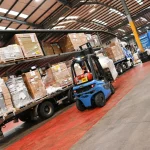
Wooden pallets play a crucial role in storing, transporting, and handling fresh avocados, ensuring they reach their destinations in optimal condition. Pallets provide a stable platform that helps prevent damage during transit, reducing food waste and ensuring product quality.
Importance of Wooden Pallets in Logistics
- Enhanced Efficiency – Pallets allow for bulk transportation, reducing handling time and costs.
- Product Protection – Avocados are sensitive to pressure; wooden pallets help prevent bruising and spoilage.
- Supply Chain Standardization – Standardized pallets make it easier to stack and transport avocados internationally.
Why Sustainability Matters in the Export Industry
Environmental Impact of Traditional Pallets
Conventional wooden pallets contribute to deforestation, increased carbon emissions, and waste due to their short lifespan and improper disposal. The use of non-sustainable wood sources exacerbates environmental degradation.
The Shift Towards Sustainable Solutions
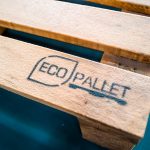
Eco-friendly wooden pallets are sourced from responsibly managed forests and designed for long-term use and recyclability. Many companies are now prioritizing the circular economy by reusing and recycling pallets rather than disposing of them after a single use.
Compliance with Global Trade Standards
Many countries now require ISPM 15-compliant pallets to prevent the spread of pests and diseases. The use of heat-treated, certified pallets ensures smooth customs clearance and compliance with international regulations.
Benefits of Eco-Friendly Wooden Pallets
Reduced Carbon Footprint
Sustainable pallets minimize emissions by promoting efficient resource use and reducing waste. Recyclable and reusable pallets help decrease dependency on virgin wood, reducing deforestation.
Cost-Effective and Durable
High-quality pallets reduce replacement frequency, saving exporters money over time. While the initial investment in eco-friendly pallets may be slightly higher, the long-term savings from durability and reduced disposal costs outweigh the costs.
Supporting Kenya’s Green Economy
Using eco-friendly materials supports local industries committed to sustainability and responsible forestry. This initiative aligns with Kenya’s Vision 2030 goals, promoting sustainable industrial growth.
How to Choose the Right Wooden Pallets for Avocado Exports
Essential Features of Export-Grade Pallets
Export-grade pallets should have:
- High load-bearing capacity
- Proper heat treatment for compliance
- Durable and reusable materials
Heat-Treated vs. Non-Treated Pallets
Heat-treated pallets prevent pest infestations and meet international shipping requirements. Many global markets require pallets to be fumigated or heat-treated to prevent cross-border contamination.
Sourcing Sustainable Pallets in Kenya
Partnering with certified suppliers ensures compliance with sustainability and trade regulations. Organizations such as the Forest Stewardship Council (FSC) provide certifications for responsible sourcing.
Challenges and Solutions in Implementing Sustainable Pallets
- Overcoming Cost Barriers – Government incentives can encourage adoption.
- Educating Exporters – Training on the long-term financial benefits of sustainable pallets.
- Increasing Availability – Encouraging local manufacturers to produce certified eco-friendly pallets.
Case Studies: Success Stories in Sustainable Avocado Exporting
Several Kenyan exporters have successfully transitioned to eco-friendly pallets. One leading avocado exporter reduced waste by 30% and improved compliance with EU standards by switching to FSC-certified wooden pallets.
Common Myths About Eco-Friendly Wooden Pallets
- Myth: Sustainable pallets are more expensive Reality: They save costs in the long run through durability and reusability.
- Myth: All wooden pallets are sustainable Reality: Only certified pallets from responsibly managed forests qualify.
- Myth: Recycled pallets are low quality Reality: Properly refurbished pallets can match or exceed new pallet durability.
Best Practices for Maintaining Wooden Pallets
- Proper Storage – Keep pallets in a dry, ventilated area to prevent mold growth.
- Routine Inspections – Check for cracks, splinters, or loose nails that could damage avocados.
- Training Workers – Educate staff on correct handling to extend pallet lifespan.
How Exporters Can Transition to Sustainable Pallets
Exporters can start by sourcing from certified suppliers, adopting best practices for pallet maintenance, and working with regulatory bodies to ensure compliance. Partnering with organizations promoting green logistics can also provide financial and strategic benefits.
Frequently Asked Questions (FAQs)
1. Why should avocado exporters switch to eco-friendly pallets?
Sustainable pallets reduce environmental impact, improve durability, and ensure compliance with global trade regulations.
2. What makes a pallet eco-friendly?
It is sourced from responsibly managed forests, recyclable, and compliant with international standards like ISPM 15.
3. Are eco-friendly pallets cost-effective?
Yes, they have a longer lifespan and reduce replacement costs, making them more economical over time.
4. How can exporters find sustainable pallets in Kenya?
Partnering with certified local suppliers and industry associations ensures access to high-quality, eco-friendly pallets.
5. Do sustainable pallets require special maintenance?
Regular inspections, proper storage, and occasional repairs help extend their lifespan.
6. What are the main regulations for exporting avocados with wooden pallets?
Pallets must meet ISPM 15 standards, be free from pests, and be heat-treated or fumigated where required.
Conclusion
The use of eco-friendly wooden pallets is a game-changer for Kenya’s avocado export industry. By investing in sustainable packaging solutions, exporters can enhance efficiency, reduce costs, and contribute to global environmental goals.

Add a comment