

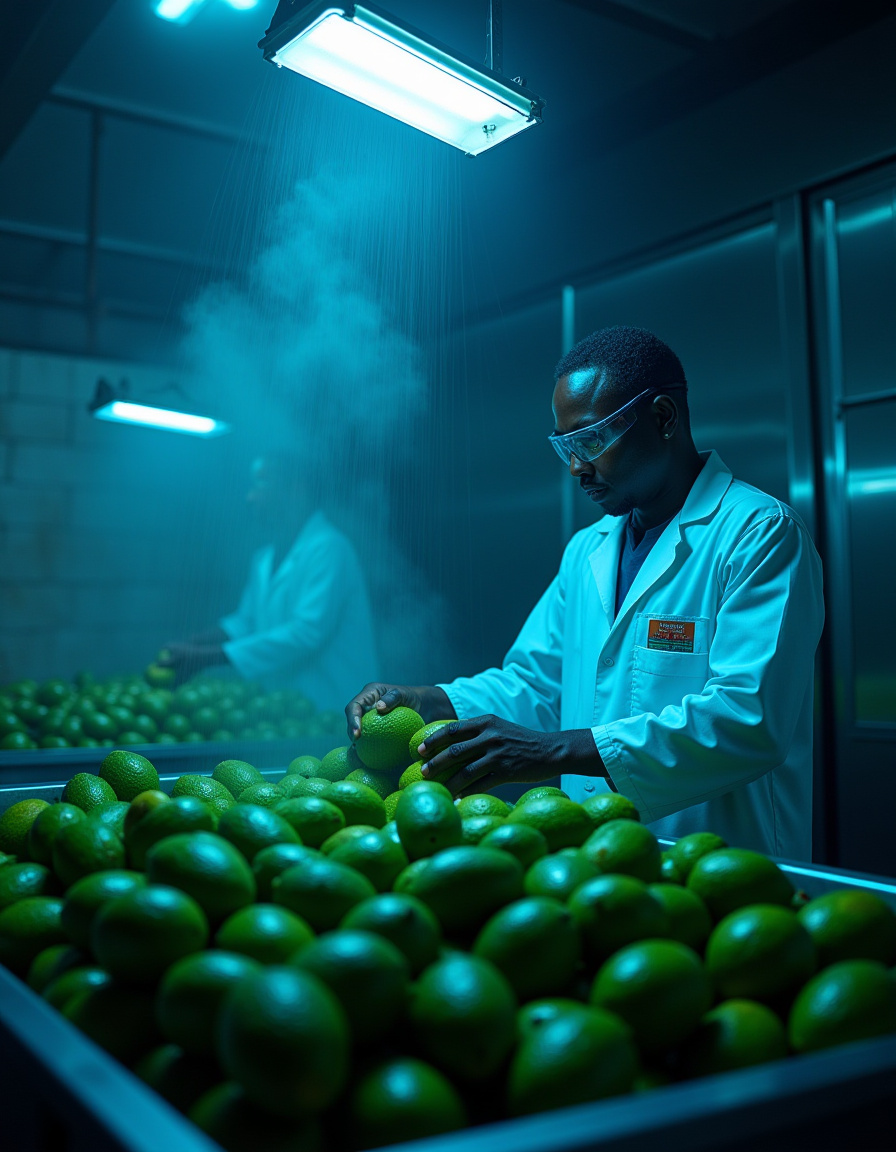
Scale Your Oil Production: The Game-Changing Ripening Solution That’s Powering Kenya’s Avocado Oil Boom
Introduction – Kenya’s Avocado Oil Revolution
Kenya’s agricultural landscape has always been rich with potential, from its world-renowned coffee and tea to its blooming floriculture industry. But in recent years, one fruit has captured global attention like no other: the avocado. Dubbed “green gold,” avocados have rapidly transformed from a niche crop to a cornerstone of Kenya’s horticultural exports. However, the real revolution lies not just in exporting fresh fruit but in processing it into one of the world’s most coveted oils—avocado oil.
This transformation is not happening by chance. It is being driven by ripening technology, a solution that ensures consistency, efficiency, and premium oil quality. For years, one of the biggest challenges in avocado oil production was the unpredictable nature of ripening. Some fruits would be too hard to process, others overripe and prone to spoilage. This inconsistency led to lower oil yields, wasted fruit, and rejected exports. But now, thanks to controlled ripening chambers, Kenya’s avocado industry has a chance to maximize returns and compete at the highest global level.
Think of it this way: If fresh avocado exports are the first chapter of Kenya’s story, then avocado oil—powered by ripening technology—is the sequel that promises to be even bigger. This is not just about scaling production; it’s about transforming livelihoods, boosting exports, and giving Kenya a strong foothold in the billion-dollar global wellness market.
Kenya’s Growing Avocado Industry
Avocado farming in Kenya is not new, but the scale and importance of the crop have skyrocketed in the last two decades. The fruit was first introduced in the early 20th century, with the Hass variety quickly becoming the favorite for both domestic consumption and export. Today, Kenya ranks among the top 10 avocado producers worldwide, harvesting over 365,000 metric tons annually.
The leading production regions include Murang’a, Kiambu, Nyeri, Nakuru, Kisii, and Meru—counties blessed with volcanic soils, ample rainfall, and favorable altitudes. These regions provide nearly perfect conditions for avocado farming, giving Kenyan fruit its distinct taste and oil-rich flesh.
Economically, avocados have become a lifeline for rural communities. Smallholder farmers, who make up more than 70% of avocado growers, rely on the crop for income and improved living standards. The value of fresh avocado exports alone has crossed USD 150 million annually, and that figure continues to grow as new markets open in China, India, and the Middle East.
Yet, while fresh exports have been lucrative, they represent only a fraction of the industry’s potential. A significant portion of avocados—often those deemed too small, misshapen, or blemished—are rejected for export. These fruits, however, still contain the same rich oil as their picture-perfect counterparts. And this is where the avocado oil industry is stepping in, turning what was once waste into a high-value product.
With global demand for natural, nutrient-rich oils booming, Kenya’s avocado industry is no longer just about growing and exporting fruit—it’s about moving up the value chain and creating products that can compete in international wellness, culinary, and cosmetic markets. And to make that leap, ripening technology has become essential.
The Rising Demand for Avocado Oil
Avocado oil is often called “liquid gold” because of its extraordinary health, beauty, and culinary benefits. Packed with monounsaturated fats, vitamins A, D, and E, antioxidants, and omega fatty acids, avocado oil is a powerhouse in the wellness world. It supports heart health, improves skin elasticity, and is even linked to anti-inflammatory benefits.
In the kitchen, avocado oil has carved a niche for itself as one of the healthiest cooking oils available. With a high smoke point of around 520°F (270°C), it doesn’t break down into harmful compounds during high-heat cooking, making it a favorite among chefs and health-conscious consumers.
Outside the kitchen, avocado oil is a star in the cosmetics industry. It’s used in moisturizers, shampoos, serums, and even pharmaceutical products. Its ability to penetrate deeply into the skin makes it a go-to ingredient for hydration and anti-aging formulas.
The numbers speak for themselves. The global avocado oil market, valued at over USD 600 million in 2023, is projected to hit nearly USD 1 billion by 2030. Demand is surging in Europe, North America, and Asia, driven by consumers who want healthier cooking options and natural skincare solutions.
Kenya is perfectly positioned to seize this opportunity. The country’s year-round production, favorable climate, and expanding avocado acreage provide a steady supply of raw materials. But global buyers demand consistency, premium quality, and sustainability. That means Kenyan producers cannot rely on traditional ripening methods if they want to scale and compete with established giants like Mexico and Peru. Enter ripening technology—the key to transforming Kenya’s green gold into liquid gold on a global scale.
The Bottlenecks of Traditional Processing
Despite Kenya’s enormous potential, avocado oil production has historically faced several challenges. These bottlenecks limited efficiency, reduced yields, and restricted access to lucrative international markets.
1. Post-Harvest Waste and Spoilage
One of the biggest issues has been fruit wastage. Without proper storage or ripening facilities, a large percentage of harvested avocados rot before they can be processed. Estimates suggest that up to 30% of avocados harvested in Kenya are lost post-harvest, representing millions of dollars in wasted potential.
2. Inconsistent Ripening
Traditional ripening methods—such as leaving avocados in sacks, covering them with banana leaves, or simply waiting for them to soften—are highly unpredictable. Some fruits ripen too quickly, while others remain hard, leading to inconsistent oil extraction results. For processors, this meant reduced efficiency and variable product quality.
3. Low Oil Yields
Unripe avocados contain less oil, while overripe fruits often result in rancid flavors or compromised oil quality. Without controlled ripening, processors were at the mercy of nature, producing oil yields that fluctuated widely and often fell short of international quality standards.
4. Barriers to International Market Access
Global markets, particularly in the EU and US, enforce strict quality and safety standards for imported oils. Kenyan producers relying on traditional methods struggled to consistently meet these benchmarks, leading to export rejections and lost business opportunities.
These challenges created an urgent need for innovation. To unlock Kenya’s full avocado oil potential, the industry needed a solution that could standardize ripening, minimize waste, maximize oil yields, and guarantee consistent quality. And that solution arrived in the form of ripening technology.
Ripening Technology – A Game-Changer
Ripening technology is not just an upgrade—it’s a complete transformation of the avocado oil value chain. At its core, this technology involves the use of controlled ripening chambers, where temperature, humidity, and ethylene levels are carefully managed to ensure that avocados ripen uniformly and optimally for oil extraction.
Here’s how it works:
-
Temperature Control: Avocados are kept at an ideal range that accelerates ripening without causing chilling injury or over-softening.
-
Humidity Management: Proper humidity levels prevent dehydration, shriveling, and mold growth, preserving the fruit’s integrity.
-
Ethylene Application: Ethylene, a natural plant hormone, is introduced in measured doses to trigger uniform ripening across entire batches of avocados.
Compared to traditional methods, this system is faster, more efficient, and far more predictable. Farmers and processors no longer have to deal with half-ripe and half-unripe fruits in the same lot. Instead, they receive batches of avocados that are perfectly ripened for oil extraction.
The benefits are immense: higher oil yields, consistent quality, reduced waste, and greater profitability. More importantly, ripening technology positions Kenya’s avocado oil as competitive on the global stage, meeting the strict requirements of premium markets.
This is why ripening technology is being hailed as a game-changer—it bridges the gap between Kenya’s vast production potential and the high standards of international buyers.
Benefits of Controlled Ripening for Oil Production
When it comes to avocado oil, the difference between success and failure lies in the quality and consistency of the raw material. Controlled ripening chambers are proving to be the secret weapon that allows Kenyan processors to unlock the full potential of their harvests.
1. Increased Oil Yield
Ripening technology ensures that avocados reach their peak oil content before processing. Unlike unripe fruits, which contain less oil, or overripe ones, which can produce rancid flavors, controlled ripening delivers fruit at the “sweet spot” for maximum extraction. This can increase yields by up to 30–40% compared to traditional ripening methods. For processors, that means more oil from the same volume of fruit—a direct boost in profitability.
2. Better Quality and Consistency
Global buyers expect avocado oil that meets strict parameters for purity, flavor, color, and nutritional composition. Controlled ripening delivers exactly that by standardizing the process. Every batch of avocados ripens uniformly, which translates into consistent oil quality. Whether destined for culinary use, cosmetics, or pharmaceuticals, Kenyan oil becomes more competitive because it meets international standards every time.
3. Reduced Losses and Higher Farmer Incomes
By reducing spoilage and waste, ripening technology allows more fruit to enter the oil production chain. What used to be rejected as “too small,” “blemished,” or “unevenly ripened” is now valuable raw material. This translates into higher incomes for farmers, who can sell more of their harvest, and fewer losses for processors. For rural communities, these extra earnings can be life-changing—funding school fees, healthcare, and household improvements.
4. Market Diversification
Consistent high-quality oil makes it possible to tap into multiple product categories. Extra virgin avocado oil can be positioned as a premium cooking oil, while refined oil can serve the cosmetics and skincare industries. Pharmaceutical-grade oil, with strict purity levels, opens yet another market. Controlled ripening ensures that Kenyan producers can confidently diversify into these segments.
In short, controlled ripening is not just about making oil production easier—it’s about making it smarter, more profitable, and more inclusive. For Kenya, it represents the technological leap needed to transform avocado oil into a true economic powerhouse.
Case Studies – Ripening Tech in Action
The adoption of ripening technology in Kenya is already yielding inspiring success stories across counties.
Take Murang’a County, one of Kenya’s top avocado producers. A farmer cooperative there partnered with an agritech company to install a medium-sized ripening chamber. Before the technology, the cooperative reported post-harvest losses of nearly 25% of fruit. After installation, wastage dropped to below 5%, and oil yields rose by almost 40%. The cooperative also attracted international buyers who were previously hesitant to source Kenyan oil due to quality concerns.
In Kiambu County, a smaller-scale solution was tested: mobile ripening units. These portable chambers allow farmer groups to pool resources and ripen avocados collectively before delivering them to processing facilities. This innovation has been a game-changer for smallholder farmers, enabling them to bypass middlemen and negotiate better prices directly with oil processors.
Meanwhile, some large-scale exporters in Nakuru and Nyeri have invested in high-capacity ripening chambers to serve both fresh fruit exports and oil production. By controlling ripening locally, they’ve reduced the risk of export rejections in European markets while simultaneously feeding a consistent supply of high-quality fruit into domestic oil factories.
These case studies highlight one important truth: ripening technology is not just for industrial-scale processors. It is also adaptable for smallholder farmers and cooperatives, ensuring that the benefits of avocado oil production are shared across Kenya’s agricultural landscape.
Government and Industry Support
The Kenyan government has played an instrumental role in supporting the avocado industry, particularly by pushing value addition. Recognizing the economic potential of avocado oil, the Ministry of Agriculture has partnered with trade associations, cooperatives, and international organizations to drive growth.
1. Policy on Harvesting Standards
To protect Kenya’s reputation abroad, the government introduced strict rules banning the harvesting of immature avocados. This ensures that only oil-rich, mature fruits enter the supply chain, boosting both quality and market trust.
2. Training and Capacity Building
Farmers across leading avocado counties are being trained in best practices for harvesting, handling, and ripening. These programs often include exposure to modern ripening technology, enabling farmers to adopt practices that meet international requirements.
3. Investment Incentives
The government has also provided incentives for agribusinesses investing in processing facilities. This includes tax breaks, subsidies, and access to credit for companies that establish ripening and oil extraction infrastructure.
4. Certification and Standards
To compete globally, Kenya must meet stringent safety and quality standards. The Kenya Bureau of Standards (KEBS) is actively developing certifications for avocado oil, aligning them with global benchmarks. This move enhances Kenya’s credibility in international markets.
Combined, these policies and industry initiatives are creating an enabling environment for the avocado oil sector. The message is clear: Kenya is not just exporting raw avocados anymore—it’s investing in technology-driven value addition to maximize returns for its farmers and entrepreneurs.
Tapping into Global Markets
The global avocado oil market is booming, and Kenya is perfectly positioned to take advantage. Health-conscious consumers in Europe, North America, and Asia are driving unprecedented demand for natural, nutrient-rich oils.
In the culinary space, avocado oil is marketed as a healthier alternative to vegetable oils, prized for its high smoke point and heart-healthy fats. In the beauty industry, major brands use avocado oil in skincare and haircare products, while in the pharmaceutical sector, it’s being incorporated into supplements and therapeutic treatments.
Kenya faces stiff competition from global leaders like Mexico, Peru, and Chile, but it also has unique advantages:
-
A climate that allows for year-round production
-
Rapid adoption of ripening technology, ensuring consistent quality
-
Strong government support for value-added exports
Recently, China and India have opened their markets to Kenyan avocados, while Middle Eastern countries are showing rising interest in both fresh fruit and oil. By focusing on premium branding—highlighting Kenya’s fertile soils, sustainable farming practices, and advanced ripening technology—the country can carve out a strong niche.
If Kenya continues to align innovation, policy, and marketing, it won’t just participate in the global avocado oil boom—it could become one of its leading suppliers.
Empowering Smallholder Farmers
At the heart of Kenya’s avocado story are the smallholder farmers, who make up the majority of producers. For decades, these farmers faced barriers in tapping into international markets due to limited resources, lack of infrastructure, and dependence on middlemen who often paid unfair prices. But ripening technology is beginning to level the playing field.
One of the most exciting innovations is the rise of mobile ripening units. These smaller, cost-effective chambers can be shared among farmer cooperatives, allowing them to ripen avocados collectively before delivery to processors. Instead of selling their fruit at low prices while unripe, farmers can now negotiate better deals with oil manufacturers because their produce meets industry standards.
For women and youth in rural communities, this is especially impactful. Women often play a key role in harvesting and sorting avocados, while youth are increasingly employed in operating ripening chambers, quality control, and processing. The result is not just increased household income but also empowerment and inclusion in a sector that was once dominated by large-scale exporters.
Additionally, ripening technology helps smallholder farmers reduce losses. Before, up to a third of their harvest would go to waste due to spoilage. Now, with controlled ripening, almost every fruit finds a use, whether for fresh markets or oil production. This shift means more money in farmers’ pockets and more stability in their livelihoods.
Perhaps most importantly, this technology encourages cooperative models. By pooling resources to invest in ripening solutions, small farmers gain bargaining power, access to better markets, and protection from exploitation by middlemen. In this way, ripening technology is not just a tool for better oil production—it’s a catalyst for social change.
Sustainability and Waste Reduction
The environmental benefits of ripening technology are just as important as the economic ones. In a world increasingly concerned with climate change and sustainability, Kenya’s avocado oil industry has an opportunity to set a strong example.
1. Reduced Post-Harvest Waste
One of the biggest sustainability wins is waste reduction. Previously, 20–30% of harvested avocados were lost due to uneven ripening and spoilage. By standardizing the process, ripening chambers cut these losses drastically, ensuring that more fruit is used effectively.
2. Efficient Use of Resources
With higher oil yields from each fruit, processors need fewer avocados to meet demand. This reduces pressure on farmland and prevents over-expansion into ecologically sensitive areas. In turn, this helps maintain biodiversity and soil fertility.
3. Circular Economy Benefits
Avocado processing also generates valuable by-products. Seeds and skins, once discarded, can now be repurposed into animal feed, organic fertilizers, or even cosmetic raw materials. This circular use of resources minimizes waste and creates additional revenue streams.
4. Eco-Friendly Farming Practices
To meet the standards of premium international buyers, many Kenyan farmers are adopting organic and climate-smart practices. These include reducing pesticide use, practicing soil conservation, and using sustainable irrigation methods. Ripening technology complements these practices by ensuring that the harvested fruit reaches its full potential.
In essence, ripening technology is not just about boosting profits—it’s about building a resilient, eco-friendly avocado oil sector that benefits people and the planet. By aligning with global sustainability goals, Kenya can market its avocado oil as both premium and environmentally responsible.
The Future of Avocado Oil in Kenya
The future of Kenya’s avocado oil industry looks incredibly promising, and ripening technology is at the core of this growth. With global demand projected to nearly double in the next decade, Kenya has a golden opportunity to position itself as a global leader in avocado oil production.
1. Scaling Up Technology
While many regions have adopted ripening chambers, there’s still room for expansion. Wider access to mobile units and cooperative-based systems will ensure that even the smallest farmers can benefit from the avocado oil boom.
2. Diversification into New Products
Beyond oil, Kenya can diversify into avocado-based skincare, nutraceuticals, and specialty foods. For instance, avocado butter and capsules are gaining traction in health markets, while cold-pressed oils are in demand among gourmet chefs.
3. Building a Global Brand
Much like how Mediterranean countries branded olive oil, Kenya has the chance to market its avocado oil as a premium African product. By highlighting its rich volcanic soils, sustainable farming, and cutting-edge ripening technology, Kenya can differentiate itself from competitors.
4. Policy and Innovation Alignment
Government support will remain vital. Continued investment in research, farmer training, and international certifications will ensure Kenya remains competitive. Innovation, particularly in sustainable farming and eco-friendly processing, will further strengthen Kenya’s global standing.
If all these pieces come together, Kenya could turn avocado oil into a billion-dollar industry within the next decade. What started as green gold could truly become the liquid gold that powers Kenya’s agricultural future.
Conclusion – From Farms to Global Shelves
Kenya’s avocado journey is evolving from exporting fresh fruit to producing world-class avocado oil. The introduction of ripening technology has been the critical turning point—transforming inefficiency and waste into opportunity and growth.
By ensuring consistency, boosting oil yields, and meeting international standards, ripening chambers have made Kenyan avocado oil competitive in global markets. But beyond the economics, this shift is creating jobs, empowering smallholder farmers, reducing waste, and promoting sustainability.
The world is watching, and the timing couldn’t be better. As consumers seek healthier, more sustainable products, Kenya is perfectly positioned to deliver. With continued investment in ripening technology and smart branding, Kenyan avocado oil could soon be sitting proudly on shelves from New York to Tokyo, celebrated as one of Africa’s finest exports.
The future is clear: Kenya’s green gold is ready to shine brighter as liquid gold—fueling prosperity for farmers, businesses, and the nation.
FAQs
1. How does ripening technology increase oil yield?
Ripening chambers ensure that avocados reach peak maturity, where oil content is highest. This allows processors to extract more oil per fruit compared to traditional ripening methods.
2. Can small farmers afford this solution?
Yes. Through cooperatives and mobile ripening units, smallholder farmers can share the costs and access technology collectively, making it affordable and inclusive.
3. Is avocado oil production profitable in Kenya?
Absolutely. With rising global demand, proper ripening, and access to international markets, avocado oil production is highly profitable and growing year by year.
4. What markets are most interested in Kenyan avocado oil?
Key markets include Europe, North America, Asia, and the Middle East. Demand is strong in both the culinary and cosmetic sectors.
5. What makes Kenya competitive globally?
Kenya enjoys year-round production, fertile volcanic soils, rapid adoption of ripening technology, and growing government support—making it a strong competitor against traditional producers like Mexico and Peru.



Add a comment