

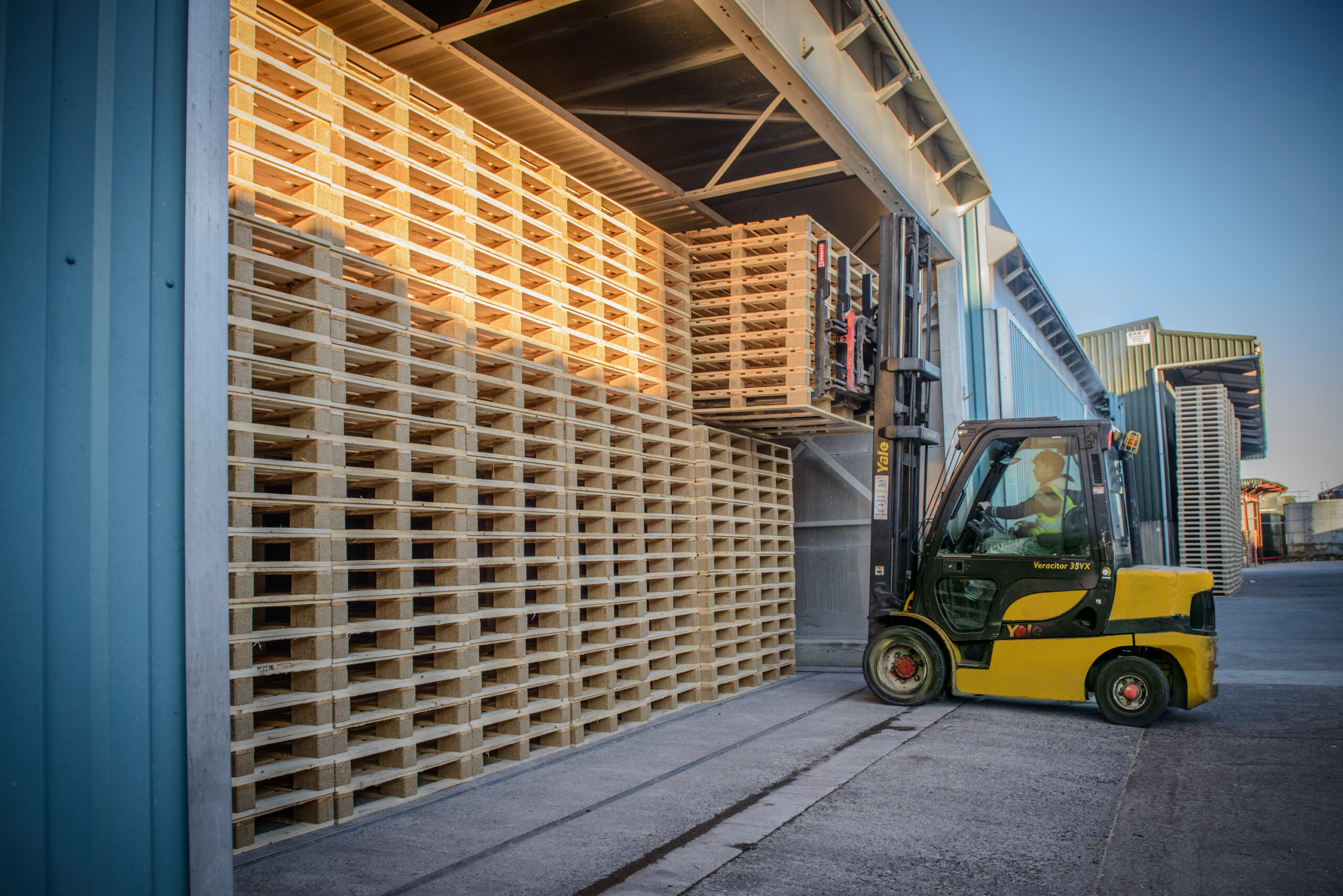
Phytosanitary-Approved: Meeting China’s Strict Standards with Deka Kraft’s Compliant Wooden Pallets
In the complex world of international trade, few markets are as demanding—or as rewarding—as China. As the world’s largest importer and exporter, China has implemented some of the strictest phytosanitary standards for wooden packaging materials. For businesses shipping goods to this critical market, compliance with these regulations isn’t just recommended; it’s absolutely mandatory.
At Deka Kraft, we understand that navigating China’s phytosanitary requirements can seem overwhelming. That’s why we’ve built our reputation on manufacturing wooden pallets that not only meet but exceed the International Standards for Phytosanitary Measures No. 15 (ISPM 15)—the global benchmark that China strictly enforces. In this comprehensive guide, we’ll explore everything you need to know about phytosanitary-approved wooden pallets and why they’re essential for successful trade with China.
Understanding China’s Phytosanitary Requirements for Wooden Pallets
China’s strict phytosanitary measures exist for good reason: to protect its agriculture, forestry, and ecosystems from invasive pests and diseases that can be transported in untreated wood. The General Administration of Customs of China (GACC) rigorously enforces these standards, and non-compliance can result in severe consequences.
What is ISPM 15 Compliance?
The International Standards for Phytosanitary Measures No. 15 (ISPM 15) is an international standard developed by the International Plant Protection Convention (IPPC) that regulates wood packaging material in international trade. This standard requires that all wooden packaging materials—including pallets, crates, dunnage, and cases—undergo approved treatment to eliminate pests and diseases.
For wooden pallets destined for China, ISPM 15 certification is not optional. Chinese customs authorities will inspect all wooden packaging materials at ports of entry, and any shipment containing non-compliant pallets faces rejection, quarantine, destruction, or costly re-export.
Key Components of ISPM 15 Certification
Understanding the core elements of ISPM 15 compliance helps explain why Deka Kraft’s pallets are trusted for China-bound shipments:
- Heat Treatment (HT): Wood must be heated to a minimum core temperature of 56°C (132.8°F) for a minimum of 30 continuous minutes. This process kills harmful insects, larvae, and nematodes.
- Proper Marking: Each pallet must be stamped with a certification mark that includes the IPPC logo, country code, producer/treatment facility number, and treatment method code (HT).
- Debarking: All wood must be debarked, with only small areas of bark (less than 3 square centimeters) permitted.
- Quality Assurance: Ongoing compliance monitoring and documentation to ensure consistent standards throughout production.
Why China Enforces Strict Phytosanitary Standards
China’s agricultural sector contributes significantly to its economy and food security, making biosecurity a top national priority. The country has experienced devastating impacts from invasive species in the past, leading to stringent protective measures.
Economic and Environmental Protection
Invasive pests transported through wooden packaging have caused billions of dollars in damage globally. Species like the Asian longhorned beetle and pine wood nematode can devastate forests, destroy crops, and disrupt ecosystems. China’s enforcement of phytosanitary standards serves multiple purposes:
- Protecting domestic agriculture from foreign pests and diseases
- Preserving forest health and biodiversity
- Preventing economic losses in agricultural production
- Maintaining compliance with international phytosanitary conventions
- Safeguarding public health and environmental safety
The Inspection Process at Chinese Ports
When your shipment arrives in China, customs officials conduct thorough inspections of wooden packaging materials. Inspectors verify proper ISPM 15 markings, check for visible signs of pest infestation, and ensure pallets meet all treatment requirements. Shipments with non-compliant pallets face immediate intervention, which can include:
- Rejection at the border with mandatory return to origin
- Quarantine and fumigation treatment (at importer’s expense)
- Destruction of wooden packaging materials
- Significant delays in delivery schedules
- Substantial financial penalties and additional costs
Deka Kraft’s Commitment to Phytosanitary Compliance
At Deka Kraft, we’ve invested heavily in ensuring our wooden pallets meet and exceed all international phytosanitary standards. Our commitment to compliance isn’t just about following regulations—it’s about protecting your business, your reputation, and your bottom line.
Our Heat Treatment Process
Deka Kraft operates state-of-the-art heat treatment facilities specifically designed for ISPM 15 compliance. Our process includes:
- Precision-controlled kilns that maintain consistent temperatures throughout the treatment cycle
- Multiple temperature monitoring points to ensure core temperature requirements are met
- Detailed documentation and logging of each treatment batch
- Regular calibration and maintenance of heating equipment
- Third-party audits to verify compliance with ISPM 15 standards
Quality Control and Certification
Every Deka Kraft pallet undergoes rigorous quality control before receiving ISPM 15 certification. Our quality assurance program includes:
- Visual inspection for complete debarking
- Verification of proper heat treatment completion
- Application of compliant ISPM 15 marks using approved stamps
- Final inspection to ensure marks are clear, legible, and permanent
- Complete traceability documentation from raw material to finished product
The Business Benefits of Using Compliant Wooden Pallets
Choosing ISPM 15-certified pallets from Deka Kraft delivers tangible business advantages that extend far beyond regulatory compliance.
Avoiding Costly Delays and Penalties
The financial impact of non-compliant pallets can be devastating. Consider these potential costs:
- Shipping delays ranging from days to weeks
- Storage fees at Chinese ports during quarantine
- Re-export costs including transportation back to origin
- Loss of customer trust and potential contract penalties
- Damage to your company’s reputation in the Chinese market
With Deka Kraft’s certified pallets, these risks are eliminated. Our customers enjoy smooth customs clearance, on-time deliveries, and the peace of mind that comes with guaranteed compliance.
Building Trust with Chinese Partners
In Chinese business culture, reliability and attention to detail are highly valued. Using properly certified pallets demonstrates your commitment to professional standards and regulatory compliance. This attention to detail helps build stronger relationships with Chinese importers, distributors, and customers, leading to:
- Enhanced credibility in the Chinese market
- Preferred supplier status with major importers
- Reduced scrutiny during customs inspections over time
- Competitive advantage over non-compliant competitors
- Long-term business relationships built on reliability
Streamlined Supply Chain Operations
Compliance creates efficiency. When you use Deka Kraft’s phytosanitary-approved pallets, your entire supply chain benefits from:
- Predictable shipping schedules without unexpected delays
- Simplified documentation and customs paperwork
- Reduced administrative burden on your logistics team
- Lower overall logistics costs through efficiency
- Better inventory management and demand forecasting
Understanding ISPM 15 Marking and Documentation
The ISPM 15 mark is more than just a stamp—it’s your pallet’s passport to international trade. Understanding what the marking means helps ensure compliance and facilitates smooth customs clearance.
Decoding the ISPM 15 Mark
Every Deka Kraft pallet bears a clearly legible ISPM 15 mark that includes:
- IPPC Logo: The wheat symbol indicating international phytosanitary compliance
- Country Code: Two-letter ISO code identifying the country of treatment (e.g., US for United States)
- Producer Code: Unique identifier for the treatment facility
- Treatment Code: HT indicating heat treatment was used
This marking must be legible, permanent, and placed on at least two opposite sides of the pallet. Chinese customs officials verify this marking during inspections, making its clarity and accuracy critical.
Supporting Documentation
Beyond the physical marking, proper documentation is essential for smooth customs clearance. Deka Kraft provides comprehensive documentation including:
- Phytosanitary certificates confirming treatment compliance
- Heat treatment records with temperature logs and batch numbers
- Quality assurance documentation
- Chain of custody records ensuring traceability
- Compliance certificates from authorized inspection bodies
Common Pitfalls and How to Avoid Them
Even experienced exporters can make mistakes when it comes to phytosanitary compliance. Here are the most common issues we see and how to prevent them.
Using Non-Certified Suppliers
The biggest mistake companies make is purchasing pallets from uncertified suppliers or assuming all wooden pallets meet ISPM 15 standards. Many suppliers claim compliance without proper certification or cut corners on treatment processes. Always verify:
- The supplier has valid ISPM 15 certification from national plant protection authorities
- Heat treatment facilities are properly equipped and maintained
- Quality control processes are documented and audited
- The supplier can provide complete documentation for each batch
Damaged or Illegible Markings
Even compliant pallets can be rejected if ISPM 15 markings are damaged, faded, or illegible during shipping. Deka Kraft uses permanent marking methods and strategic placement to ensure markings remain clear throughout the shipping process. However, handlers should still:
- Handle pallets carefully to avoid marking damage
- Inspect markings before shipping to verify legibility
- Replace any pallets with compromised markings
- Photograph markings as part of shipping documentation
Mixing Compliant and Non-Compliant Pallets
Some companies inadvertently mix certified pallets with non-certified ones, creating compliance issues. Establish clear procedures to:
- Segregate ISPM 15-certified pallets from other wooden packaging
- Train warehouse staff on identification and handling
- Implement tracking systems for compliant pallets
- Conduct final inspections before shipment
The Future of Phytosanitary Standards and Deka Kraft’s Role
As global trade continues to evolve, phytosanitary regulations are becoming more sophisticated and stringent. China regularly updates its enforcement procedures and inspection protocols, making ongoing compliance monitoring essential.
Staying Ahead of Regulatory Changes
Deka Kraft maintains close relationships with regulatory authorities, industry associations, and international standards bodies to stay informed about changes in phytosanitary requirements. We proactively update our processes to exceed emerging standards, ensuring our customers remain compliant even as regulations evolve.
Sustainability and Compliance
Our commitment to phytosanitary compliance aligns with broader environmental sustainability goals. Heat-treated wooden pallets are:
- Reusable and recyclable, reducing environmental impact
- Made from renewable resources with sustainable forestry practices
- Chemical-free, avoiding the environmental concerns of methyl bromide fumigation
- Biodegradable at end-of-life, unlike plastic alternatives
Conclusion: Your Partner in Compliant Global Trade
Navigating China’s strict phytosanitary requirements doesn’t have to be complicated or risky. With Deka Kraft’s ISPM 15-certified wooden pallets, you gain more than just compliant packaging—you gain a strategic advantage in one of the world’s most important markets.
Our commitment to quality, compliance, and customer success means every pallet we produce meets the highest international standards. From precision heat treatment to rigorous quality control, from proper documentation to ongoing regulatory monitoring, we handle the details so you can focus on growing your business in China.
Don’t let non-compliant pallets put your shipments, relationships, and reputation at risk. Choose Deka Kraft for wooden pallets that meet China’s strict standards every time. Contact our team today to learn more about our phytosanitary-approved solutions and how we can support your international trade success.
Ready to Ensure Compliance?
Partner with Deka Kraft for wooden pallets that guarantee smooth entry into the Chinese market. Our experienced team is ready to answer your questions and provide the certified solutions you need for successful international shipping.
Contact Deka Kraft today to discuss your phytosanitary-approved pallet requirements and discover why leading exporters trust us for China-bound shipments.


Add a comment