

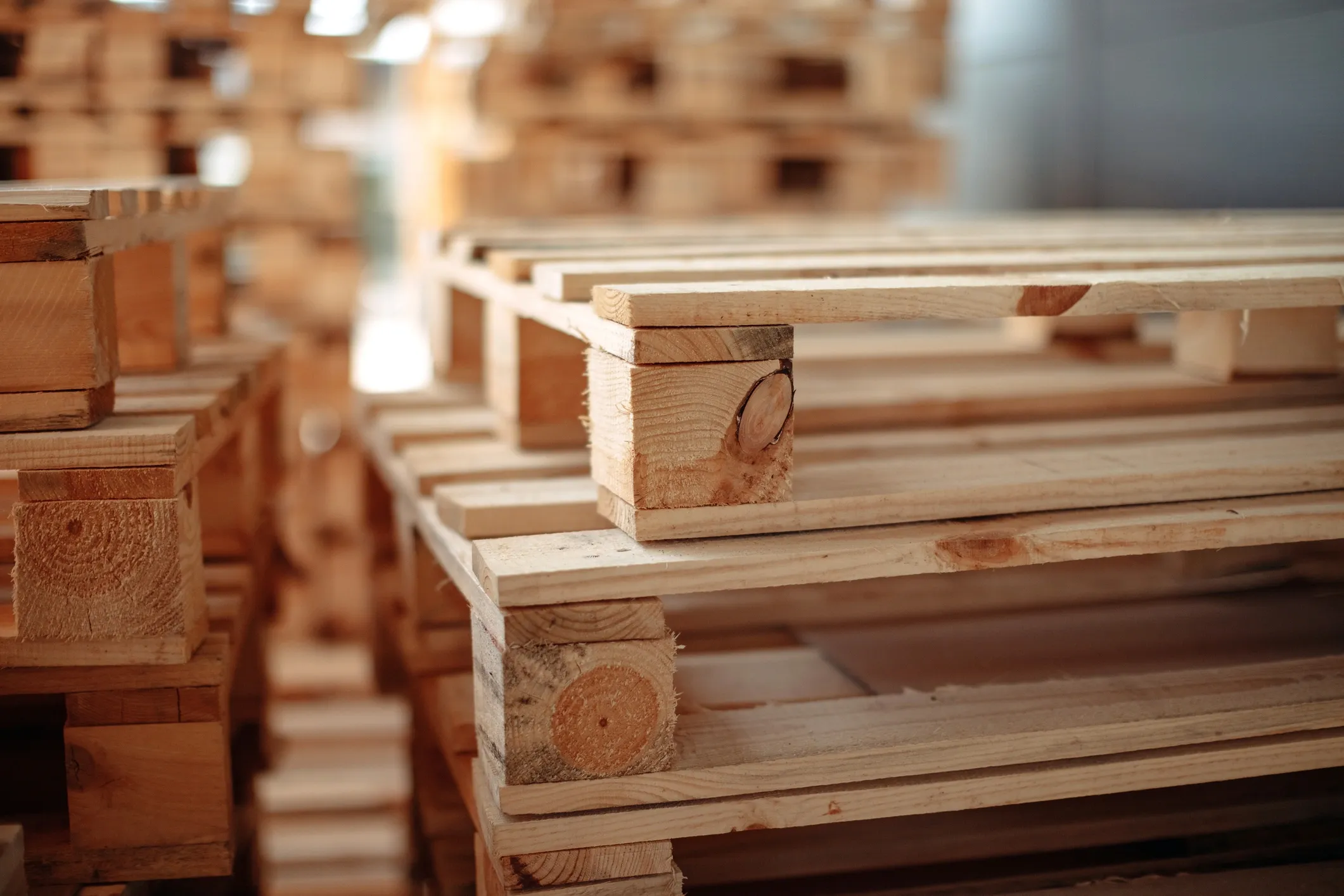
New Wooden Pallets: Sizing, Grades, and Specs Every Procurement Manager Should Know
Understanding the Role of Wooden Pallets in Modern Supply Chains
Why Pallets Are the Backbone of Logistics
If you zoom out and look at the global supply chain from a bird’s-eye view, one humble object keeps everything moving quietly in the background—the wooden pallet. It might not look impressive, but without it, warehouses would descend into chaos, forklifts would be useless, and shipping efficiency would collapse overnight. For procurement managers, understanding pallets isn’t optional—it’s foundational.
Think about it this way: every product you see in a retail store likely spent part of its journey sitting on a pallet. From raw materials to finished goods, pallets act like the universal platform that connects manufacturers, distributors, and retailers. Their standardized structure allows for seamless stacking, storage, and transport, reducing handling time and labor costs significantly.
What makes wooden pallets especially valuable is their balance of strength, cost, and availability. Compared to plastic or metal alternatives, wood offers a level of flexibility that procurement teams appreciate. It can be repaired, resized, and recycled, which translates into long-term savings. According to industry estimates, over 90% of pallets in circulation globally are made from wood, highlighting their dominance.
There’s also a hidden efficiency factor. Proper palletization reduces product damage during transit. A well-designed pallet distributes weight evenly, minimizes shifting, and ensures compatibility with forklifts and automated systems. That means fewer returns, fewer insurance claims, and happier customers.
For procurement managers, the real challenge isn’t just buying pallets—it’s buying the right pallets. Choosing incorrectly can lead to inefficiencies that ripple across the entire supply chain. That’s why understanding sizing, grading, and specifications isn’t just technical knowledge—it’s a competitive advantage.
The Growing Demand for Standardized Pallet Solutions
As supply chains become more global and interconnected, the push for standardization in pallet sizes and specifications has intensified. Imagine trying to ship goods internationally using pallets that don’t fit into standard containers or warehouse racks—it’s a logistical nightmare waiting to happen.
Standardization simplifies everything. It ensures compatibility with automated warehouses, conveyor systems, and transportation equipment. For procurement managers, this translates into smoother operations and fewer costly disruptions. In North America, the 48” x 40” pallet (also known as the GMA pallet) dominates, accounting for nearly 30% of all pallets in use. Meanwhile, Europe relies heavily on the EUR pallet (1200mm x 800mm).
Why does this matter so much? Because even small deviations in pallet size can lead to wasted space, increased shipping costs, and inefficiencies in storage. A pallet that doesn’t fit neatly into a truck or container can leave unused gaps, which, over time, adds up to significant financial losses.
There’s also the rise of retail and e-commerce giants pushing for stricter pallet requirements. Companies like Amazon and Walmart have detailed pallet specifications that suppliers must follow. Failure to comply can result in rejected shipments or penalties, which is something no procurement manager wants to deal with.
Standardization also plays a role in sustainability. Uniform pallet sizes enable better stacking and transportation efficiency, which reduces fuel consumption and carbon emissions. It’s a small change with a big environmental impact.
At the same time, standardization doesn’t mean rigidity. Many industries still require custom pallet solutions tailored to specific products or handling requirements. The key is knowing when to stick to standards and when customization makes more sense—a decision that can significantly impact both cost and efficiency.
Standard Wooden Pallet Sizes Explained
Common Pallet Dimensions Across Regions
Walk into any warehouse in the world, and you’ll notice something interesting—not all pallets are created equal. While they may look similar at a glance, their dimensions can vary significantly depending on geography, industry standards, and logistical needs. For procurement managers, this isn’t just trivia—it’s critical knowledge that directly affects shipping efficiency, storage optimization, and cost control.
Let’s start with the most widely used size in North America: the 48” x 40” pallet, often referred to as the GMA (Grocery Manufacturers Association) pallet. This size dominates industries like retail, food, and consumer goods because it fits neatly into standard trailers and warehouse racking systems. Its popularity isn’t accidental—it’s the result of decades of optimization around transport and storage efficiency.
Across the Atlantic, Europe follows a different standard. The EUR pallet (1200mm x 800mm) is the backbone of European logistics. It’s slightly narrower than the North American version, making it ideal for Euro trucks and containerized shipping systems. In Asia, you’ll find a mix of pallet sizes, including 1100mm x 1100mm, which is particularly common in Japan and parts of Southeast Asia.
Here’s a quick comparison of common pallet sizes:
| Region | Standard Size | Common Use Cases |
|---|---|---|
| North America | 48” x 40” | Retail, FMCG, warehousing |
| Europe | 1200mm x 800mm | Export, manufacturing |
| Asia | 1100mm x 1100mm | Industrial goods, shipping |
| Australia | 1165mm x 1165mm | Domestic transport |
Why does this matter so much? Because using the wrong pallet size can create a domino effect of inefficiencies. Imagine shipping goods to Europe on North American pallets—you’d likely waste valuable container space or face repalletization costs upon arrival. That’s not just inconvenient; it’s expensive.
There’s also the issue of racking compatibility. Warehouse systems are often designed around specific pallet dimensions. A mismatch can lead to unstable storage, increased risk of accidents, and reduced storage density. Procurement managers need to think beyond purchase price and consider how pallet size integrates into the broader logistics ecosystem.
Ultimately, understanding regional pallet sizes is about aligning your procurement strategy with your supply chain footprint. It’s not just about what works locally—it’s about what works globally.
Custom Pallet Sizes and When to Use Them
While standard pallet sizes dominate the industry, there are plenty of situations where custom pallets make far more sense. In fact, sticking rigidly to standard dimensions can sometimes limit efficiency rather than enhance it. The real skill for procurement managers lies in knowing when to deviate from the norm.
Custom pallets are typically used when dealing with non-standard products—items that are unusually large, fragile, or oddly shaped. Think of industrial machinery, oversized equipment, or delicate electronics. In these cases, a standard pallet might not provide adequate support or protection, leading to potential damage during transit.
Another common scenario is optimization for specific shipping configurations. For example, if a company frequently ships goods in containers with unique dimensions, a custom pallet can be designed to maximize space utilization. Even a small improvement in load efficiency can translate into significant cost savings over time. It’s like playing Tetris with your logistics—every inch counts.
There’s also the growing influence of automation in warehouses. Automated storage and retrieval systems (AS/RS) often require highly precise pallet dimensions to function correctly. A custom pallet designed to meet these exact specifications can improve operational efficiency and reduce downtime caused by misalignment or handling errors.
However, customization comes with trade-offs. Custom pallets are generally more expensive upfront and may not be as widely accepted across different parts of the supply chain. This can create challenges when working with third-party logistics providers or international partners who expect standardized formats.
So how do you decide? It comes down to a simple question: Does the benefit outweigh the complexity? If a custom pallet significantly reduces damage, improves storage efficiency, or lowers transportation costs, it’s usually worth the investment. But if the gains are marginal, sticking with standard sizes is often the smarter choice.
In practice, many procurement managers adopt a hybrid approach—using standard pallets for most operations while deploying custom solutions for specialized needs. This balance allows organizations to maintain flexibility without sacrificing efficiency.
Wooden Pallet Grades: What Do They Really Mean?
Grade A vs Grade B Pallets
When someone mentions pallet grades, it’s easy to assume they’re talking about something highly technical or standardized across the board. In reality, pallet grading—especially for wooden pallets—is more nuanced and sometimes even subjective. Still, understanding the difference between Grade A and Grade B pallets is essential for making informed procurement decisions.
Grade A pallets, often called “premium” or “like-new” pallets, are typically in excellent condition. They may be newly manufactured or lightly used with minimal wear and tear. These pallets have clean wood, consistent dimensions, and strong structural integrity. For industries where appearance and reliability matter, such as retail or pharmaceuticals, Grade A pallets are often the preferred choice.
On the other hand, Grade B pallets are more of a mixed bag. They’ve usually been repaired or refurbished and may show visible signs of use—like discoloration, minor cracks, or replaced boards. That doesn’t mean they’re unreliable, though. In fact, many Grade B pallets are structurally sound and perfectly suitable for heavy-duty industrial applications.
Here’s a simple breakdown:
| Feature | Grade A Pallets | Grade B Pallets |
|---|---|---|
| Condition | New or lightly used | Repaired or refurbished |
| Appearance | Clean, uniform | Worn, varied |
| Cost | Higher | Lower |
| Use Cases | Retail, export, pharma | Manufacturing, storage |
The decision between Grade A and Grade B often comes down to cost versus performance. If your operations require high consistency and minimal risk, investing in Grade A pallets makes sense. But if you’re managing tight budgets and can tolerate some variability, Grade B pallets offer significant savings.
There’s also a sustainability angle to consider. Using Grade B pallets supports recycling and reuse, reducing the demand for new lumber and minimizing environmental impact. For companies with strong sustainability goals, this can be a compelling factor.
Still, caution is key. Not all suppliers adhere to the same grading standards, so what one vendor calls “Grade A” might not match another’s definition. Procurement managers should always inspect samples or request detailed specifications before committing to large orders.
At the end of the day, pallet grading isn’t just about labels—it’s about understanding the real-world performance and value behind those labels.
Industry-Specific Grading Standards
While the basic concept of pallet grading seems straightforward, things get more complex when you zoom into industry-specific requirements. Different sectors have unique expectations when it comes to pallet quality, cleanliness, and durability. What works perfectly in one industry might be completely unacceptable in another.
Take the food and beverage industry, for example. Here, hygiene is paramount. Pallets must be free from contaminants, mold, and excessive moisture. Even minor imperfections can raise red flags during inspections. That’s why many companies in this sector insist on new or Grade A pallets, often with additional treatments to ensure compliance with safety standards.
In contrast, the construction and manufacturing industries tend to prioritize strength over appearance. Pallets in these environments are subjected to heavy loads, rough handling, and exposure to the elements. As a result, Grade B pallets are often more than sufficient, provided they meet load-bearing requirements.
The pharmaceutical industry sits at the extreme end of the spectrum. Here, pallet standards are incredibly stringent. Cleanliness, consistency, and traceability are non-negotiable. Some companies even require pallets to be heat-treated and certified, with detailed documentation to prove compliance.
Another interesting case is the export sector, where pallets must meet international regulations like ISPM-15. This standard requires wood packaging materials to be treated to prevent the spread of pests and diseases. Pallets used for export must carry the appropriate certification mark, regardless of their grade.
What does this mean for procurement managers? It means you can’t take a one-size-fits-all approach. You need to align your pallet specifications with the specific demands of your industry and supply chain partners.
It also highlights the importance of working with knowledgeable suppliers who understand these nuances. A good supplier won’t just sell you pallets—they’ll help you navigate the complexities of grading standards and compliance requirements.
Ultimately, industry-specific grading standards are about reducing risk and ensuring performance. By understanding these requirements, procurement managers can make smarter decisions that protect both their operations and their bottom line.
Types of Wood Used in Pallet Manufacturing
Hardwood vs Softwood Pallets
When it comes to wooden pallets, not all wood is created equal—and that distinction matters more than most procurement managers initially realize. The choice between hardwood and softwood pallets isn’t just about material preference; it directly influences durability, cost, weight, and even long-term operational efficiency. If pallets are the foundation of your logistics system, then the type of wood is the foundation of that foundation.
Hardwood pallets are typically made from trees like oak, maple, or birch. These woods grow slowly, which results in a denser and stronger material. That density translates into higher durability and better resistance to wear and tear. If your operation involves heavy loads or repeated handling, hardwood pallets are often the go-to choice. They can withstand rough conditions without breaking down quickly, which reduces the frequency of replacements.
On the flip side, softwood pallets are usually made from pine, fir, or spruce. These trees grow faster, making softwood more readily available and generally more affordable. Softwood pallets are lighter, which can actually be an advantage in industries where shipping weight impacts cost. Imagine moving thousands of pallets across long distances—those small weight differences add up quickly.
But here’s where things get interesting. Softwood is often easier to work with during manufacturing, allowing for faster production and lower costs. It also tends to have better nail retention in some cases, which can improve structural integrity under certain conditions. However, it’s typically less durable than hardwood, meaning it may not last as long in demanding environments.
So, how do you decide? It comes down to your operational priorities. If you need longevity and strength, hardwood is worth the investment. If you’re focused on cost efficiency and lighter loads, softwood might be the smarter option. Many companies even use a combination of both, depending on the specific application.
There’s also a subtle psychological factor at play. Hardwood pallets often “feel” more robust, which can influence perceptions of quality among partners and clients. While that might not show up on a balance sheet, it can still impact business relationships.
At the end of the day, choosing between hardwood and softwood isn’t about picking a winner—it’s about aligning the material with your logistics strategy and cost structure.
Sustainability and Sourcing Considerations
Sustainability isn’t just a buzzword anymore—it’s a core consideration in procurement decisions, and wooden pallets are no exception. The good news? Wood is inherently renewable, but that doesn’t automatically make every pallet environmentally friendly. The real story lies in how the wood is sourced, processed, and managed לאורך its lifecycle.
Let’s start with sourcing. Responsible pallet manufacturers rely on certified forests, such as those approved by the Forest Stewardship Council (FSC) or the Sustainable Forestry Initiative (SFI). These certifications ensure that trees are harvested in a way that maintains ecological balance, supports biodiversity, and prevents deforestation. For procurement managers, choosing certified suppliers isn’t just about ethics—it’s about future-proofing your supply chain against regulatory and reputational risks.
Then there’s the concept of circular economy practices. Wooden pallets are one of the most recycled products in the world. In fact, industry estimates suggest that over 95% of wooden pallets are reused or recycled in some form. Damaged pallets can be repaired, broken-down wood can be repurposed into mulch or biofuel, and even old pallets can be rebuilt into new ones.
Another factor to consider is carbon footprint. Wood naturally stores carbon, which means wooden pallets can actually act as a form of carbon sequestration. Compared to plastic pallets, which rely on fossil fuels, wooden pallets often have a lower overall environmental impact, especially when sourced responsibly.
However, not all sustainability claims are created equal. Some suppliers may engage in “greenwashing,” presenting their products as eco-friendly without substantial evidence. That’s why procurement managers should look for transparent documentation, certifications, and traceability in their supply chain.
There’s also a practical side to sustainability. Eco-friendly pallets can sometimes qualify for government incentives or meet corporate ESG (Environmental, Social, and Governance) goals, which are becoming increasingly important to investors and stakeholders.
Ultimately, sustainability in pallet procurement is about making choices that are both environmentally responsible and economically sound. It’s not about sacrificing performance—it’s about finding smarter ways to achieve it.
Pallet Design Specifications and Load Capacity
Static, Dynamic, and Racking Load Explained
If pallet size and material are the foundation, then load capacity is the real test of performance. Misunderstanding this aspect can lead to damaged goods, safety hazards, and costly operational disruptions. Yet, many procurement decisions still overlook the nuances between static, dynamic, and racking loads—and that’s where problems begin.
Let’s break it down in simple terms. Static load capacity refers to the maximum weight a pallet can hold when it’s sitting still on a flat surface. Think of a pallet stacked in a warehouse corner, not being moved. This number is usually the highest because the weight is evenly distributed and there’s no external stress from movement.
Now, dynamic load capacity is a different story. This refers to the weight a pallet can support while being moved—whether by a forklift, pallet jack, or conveyor system. Movement introduces stress, vibration, and shifting forces, which reduce the overall load capacity. A pallet that can hold 4,000 lbs statically might only handle 2,500 lbs dynamically.
Then there’s racking load capacity, which is often the most misunderstood. This applies when pallets are stored on racks, supported only at the edges rather than across the entire base. In this scenario, the pallet must resist bending and flexing in the middle. Not all pallets are designed for this, and using the wrong type can lead to dangerous collapses.
Here’s a simplified comparison:
| Load Type | Description | Risk Level |
|---|---|---|
| Static Load | Weight when stationary | Low |
| Dynamic Load | Weight during movement | Medium |
| Racking Load | Weight supported on rack beams | High |
Why does this matter so much? Because overloading pallets is one of the most common—and costly—mistakes in logistics. It doesn’t just damage products; it can also lead to workplace injuries and regulatory violations.
Procurement managers need to ensure that pallet specifications align with real-world usage scenarios, not just theoretical limits. That means collaborating with suppliers, understanding load requirements, and sometimes even conducting tests.
At its core, load capacity isn’t just a technical detail—it’s a risk management tool. Get it right, and your operations run smoothly. Get it wrong, and the consequences can ripple across your entire supply chain.
Stringer vs Block Pallets
At first glance, all pallets might look the same, but structurally, there are two main designs that dominate the industry: stringer pallets and block pallets. Understanding the difference between them is crucial because each design offers distinct advantages—and limitations—that can significantly impact your operations.
Stringer pallets are the more traditional design, commonly used in North America. They’re built using long horizontal boards called stringers, which support the top deck. These pallets typically allow two-way or partial four-way entry, meaning forklifts can access them from certain sides but not all.
Their biggest advantage? Cost-effectiveness. Stringer pallets are generally cheaper to produce and repair, making them a popular choice for companies looking to keep expenses down. They’re also lighter, which can reduce shipping costs. However, they’re not as मजबूत when it comes to heavy loads or racking applications.
Block pallets, on the other hand, are designed with solid blocks at each corner and along the edges, allowing for full four-way entry. This makes them more versatile and easier to handle in automated systems. They’re also stronger and better suited for heavy loads and high-density storage.
The trade-off? Cost. Block pallets are more expensive to manufacture due to their complex design and additional materials. But in many cases, the increased durability and efficiency justify the investment.
Here’s a quick comparison:
| Feature | Stringer Pallets | Block Pallets |
|---|---|---|
| Entry Type | 2-way or partial 4-way | Full 4-way |
| Strength | Moderate | High |
| Cost | Lower | Higher |
| Best Use | Light to medium loads | Heavy-duty applications |
Choosing between the two isn’t just about budget—it’s about operational compatibility. If your warehouse relies heavily on automation or high-density racking, block pallets might be the better fit. If your operations are simpler and cost-sensitive, stringer pallets could be sufficient.
In many cases, companies use a mix of both, depending on the application. The key is to match the pallet design with your handling equipment, storage systems, and load requirements.
Understanding these structural differences gives procurement managers a sharper edge. It’s not just about buying pallets—it’s about investing in the right infrastructure for efficient, safe, and scalable operations.
Compliance and Regulations You Must Know
ISPM-15 and Heat Treatment Standards
When pallets cross international borders, they carry more than just goods—they can also transport pests, fungi, and diseases that threaten ecosystems. That’s exactly why ISPM-15 (International Standards for Phytosanitary Measures No. 15) exists. For procurement managers involved in global trade, this isn’t just another regulation to skim over—it’s a non-negotiable requirement that can determine whether your shipment clears customs or gets rejected outright.
ISPM-15 mandates that all wooden packaging materials, including pallets, must be treated to eliminate harmful organisms. The most common method is heat treatment (HT), where the wood is heated to a core temperature of at least 56°C (132.8°F) for 30 minutes. This process effectively kills insects and larvae that may be hiding inside the wood.
Once treated, pallets are stamped with a specific ISPM-15 mark, which includes:
- A country code
- A unique producer number
- The treatment type (e.g., HT for heat treatment)
This stamp acts like a passport for your pallet, signaling to customs officials that it meets international safety standards. Without it, shipments can face delays, fines, or even destruction—none of which procurement managers want to explain to senior leadership.
There’s also an alternative treatment method called methyl bromide fumigation (MB), but it’s becoming less common due to environmental concerns and regulatory restrictions. Many countries are phasing it out in favor of heat treatment, which is considered safer and more sustainable.
Here’s where things get tricky. Not all suppliers adhere strictly to ISPM-15 requirements. Some may cut corners, reuse stamps improperly, or fail to meet treatment standards. That’s why it’s essential to work with certified and reputable vendors who provide proper documentation and traceability.
Another important detail? ISPM-15 applies primarily to international shipments. Domestic shipments within the same country often don’t require treated pallets. However, if there’s even a slight chance your goods will be exported, it’s safer to standardize on ISPM-15-compliant pallets from the start.
In a globalized supply chain, compliance isn’t just about avoiding penalties—it’s about maintaining smooth, predictable operations. ISPM-15 is one of those behind-the-scenes rules that quietly keeps international trade running.
Environmental and Safety Regulations
Beyond ISPM-15, procurement managers must navigate a broader landscape of environmental and safety regulations that impact wooden pallet usage. These rules vary by region and industry, but they all share a common goal: ensuring that pallets are safe for workers, products, and the environment.
Let’s start with workplace safety. Pallets that are poorly constructed or damaged can pose serious risks, from collapsing loads to injuries caused by protruding nails or splintered wood. Regulatory bodies like OSHA in the United States emphasize the importance of using pallets that meet structural integrity standards. This means regular inspections, proper maintenance, and immediate removal of unsafe pallets from circulation.
Then there’s the issue of chemical treatments and contamination. Some pallets may be exposed to hazardous substances during their lifecycle, especially in industrial settings. Using contaminated pallets in industries like food or pharmaceuticals can lead to serious compliance violations. That’s why many companies implement strict pallet segregation policies, ensuring that pallets used in one environment aren’t reused in another without proper cleaning or certification.
Environmental regulations also play a growing role. Governments and organizations are increasingly pushing for sustainable sourcing and waste reduction. This includes:
- Encouraging the use of recycled or repaired pallets
- Limiting landfill disposal
- Promoting certified wood sourcing (FSC, SFI)
In some regions, companies may even face carbon reporting requirements, where the environmental impact of materials like pallets is taken into account. Choosing sustainable pallet options can help meet these requirements while also enhancing brand reputation.
Fire safety is another often-overlooked factor. Wooden pallets are combustible, and large quantities stored in warehouses can increase fire risk. Regulations may require specific storage configurations, fire suppression systems, and spacing guidelines to mitigate this risk.
What does all this mean in practice? Procurement managers need to think beyond price and availability. They need to ensure that every pallet purchased aligns with legal requirements, industry standards, and internal safety policies.
Ignoring these regulations isn’t just risky—it’s expensive. Non-compliance can lead to fines, legal issues, and operational disruptions that far outweigh any initial cost savings.
Cost Factors and Budget Planning
Price Drivers in New Wooden Pallets
If you’ve ever compared pallet quotes from different suppliers and wondered why the prices vary so much, you’re not alone. The cost of new wooden pallets isn’t arbitrary—it’s influenced by a complex mix of factors that procurement managers need to understand to make smart purchasing decisions.
The most obvious factor is raw material cost. Lumber prices fluctuate based on supply and demand, weather conditions, and even global trade policies. For example, disruptions in the timber industry can cause sudden price spikes, which are quickly reflected in pallet costs. Hardwood pallets, being denser and slower-growing, are generally more expensive than softwood alternatives.
Next comes pallet design and construction. A simple stringer pallet will cost significantly less than a heavy-duty block pallet with reinforced components. Additional features like extra deck boards, thicker lumber, or specialized fasteners can all increase the price.
Labor and manufacturing processes also play a role. Automated production lines can reduce costs, but highly customized pallets often require manual labor, which adds to the expense. Then there’s the cost of compliance—pallets that require heat treatment or certification will naturally be more expensive due to the additional processing and documentation involved.
Transportation is another hidden cost. Pallets are bulky, and shipping them over long distances can significantly increase the total price. That’s why many companies prefer to source pallets from local or regional suppliers whenever possible.
Here’s a simplified breakdown of key cost drivers:
| Factor | Impact on Cost |
|---|---|
| Wood Type | High |
| Pallet Design | High |
| Treatment/Compliance | Medium |
| Labor | Medium |
| Transportation | Medium |
Understanding these factors allows procurement managers to negotiate more effectively. Instead of focusing solely on price, they can identify areas where adjustments can be made—like choosing a different wood type or simplifying the design.
Ultimately, pallet pricing isn’t just about numbers—it’s about value. The cheapest option upfront isn’t always the most cost-effective in the long run.
Bulk Purchasing Strategies
Buying pallets one shipment at a time might seem convenient, but it’s rarely the most cost-effective approach. For procurement managers looking to optimize budgets, bulk purchasing strategies can unlock significant savings—if done correctly.
The most obvious benefit of bulk buying is volume discounts. Suppliers are often willing to lower prices for large orders because it reduces their sales and administrative costs. But the savings don’t stop there. Bulk purchasing can also reduce transportation costs per unit, especially if you’re consolidating shipments.
However, there’s a balance to strike. Ordering too many pallets at once can lead to storage challenges, tying up valuable warehouse space and increasing the risk of damage or deterioration over time. That’s why it’s important to align purchase volumes with actual usage rates and storage capacity.
Another effective strategy is establishing long-term contracts with suppliers. Instead of negotiating prices for each order, procurement managers can lock in rates over a specific period. This not only provides cost stability but also protects against market fluctuations in lumber prices.
There’s also the option of just-in-time (JIT) delivery models, where suppliers deliver pallets in smaller batches based on your operational needs. This approach reduces storage requirements while still allowing you to benefit from negotiated bulk pricing.
Collaboration is key here. Strong relationships with suppliers can lead to better terms, priority service, and even customized solutions that align with your specific needs.
Bulk purchasing isn’t just about buying more—it’s about buying smarter. When done right, it can transform pallet procurement from a routine expense into a strategic advantage.
Choosing the Right Supplier
Key Criteria for Vendor Selection
Selecting a pallet supplier isn’t just a transactional decision—it’s a strategic partnership that can influence the efficiency, reliability, and cost structure of your entire supply chain. Too often, procurement managers focus heavily on price and overlook other critical factors that determine long-term value. The truth is, the right supplier can save you money, while the wrong one can quietly drain resources through delays, inconsistent quality, and compliance issues.
One of the first things to evaluate is production capability and capacity. Can the supplier consistently meet your volume requirements, even during peak seasons? A supplier that struggles to scale can quickly become a bottleneck, especially in fast-moving industries. It’s worth asking about their manufacturing setup—do they rely on automation, or is production largely manual? Automated facilities often provide better consistency and faster turnaround times.
Next comes quality assurance. Reliable suppliers should have clear quality control processes in place, including inspections, standardized grading, and documentation. Ask yourself: are the pallets uniform in size and construction? Do they meet the required load capacities? Inconsistent pallets can cause operational disruptions, from jammed conveyor systems to unstable storage in racks.
Compliance is another non-negotiable factor. A reputable supplier should fully understand and adhere to standards like ISPM-15, as well as any industry-specific requirements. They should also be able to provide certifications, audit reports, and traceability documentation without hesitation. If a supplier is vague or reluctant about compliance, that’s a warning sign.
Then there’s logistics and delivery performance. Timely delivery is crucial, especially if your operations depend on a steady flow of pallets. Late shipments can disrupt production schedules and lead to costly downtime. Look for suppliers with strong distribution networks and a track record of reliability.
Customer service often gets overlooked, but it matters more than you might think. A responsive supplier who communicates clearly and resolves issues quickly can make a huge difference in day-to-day operations. Think of it as insurance against unexpected problems.
Ultimately, choosing the right supplier is about balancing cost, quality, reliability, and compliance. It’s not just about who offers the lowest quote—it’s about who delivers the best overall value.
Red Flags to Watch Out For
While there are plenty of reliable pallet suppliers out there, there are also those that can create more problems than they solve. Spotting red flags early can save procurement managers from costly mistakes and operational headaches down the line.
One of the most obvious warning signs is inconsistent pricing without clear justification. While market fluctuations can affect costs, reputable suppliers should be transparent about why prices change. If quotes vary wildly from one order to the next with no explanation, it’s a sign of instability or lack of professionalism.
Another red flag is poor communication. If a supplier is slow to respond during the sales process, it’s unlikely they’ll become more responsive once you’ve signed a contract. Delayed replies, vague answers, or incomplete information can indicate deeper organizational issues.
Quality inconsistencies are another major concern. If pallet samples vary significantly in construction, size, or durability, it’s a sign that the supplier lacks proper quality control. This can lead to serious operational problems, especially in automated environments where precision is critical.
Be cautious of suppliers who cannot provide proper certifications or documentation. Whether it’s ISPM-15 compliance, sustainability certifications, or load capacity specifications, a lack of documentation is a clear risk. It not only exposes your business to compliance issues but also raises questions about the supplier’s credibility.
Another subtle but important red flag is overpromising. If a supplier claims they can deliver anything, anytime, at the lowest price, it’s worth being skeptical. Reliable suppliers set realistic expectations and are upfront about limitations.
Finally, watch out for limited scalability. A supplier that meets your needs today may not be able to support your growth tomorrow. It’s important to consider not just current requirements but future demand as well.
Avoiding these red flags isn’t about being overly cautious—it’s about protecting your operations. A bad supplier relationship can create a ripple effect of inefficiencies, while a good one can become a cornerstone of your supply chain success.
Maintenance and Lifecycle of Wooden Pallets
Extending Pallet Lifespan
Wooden pallets might seem like disposable items, but treating them that way can quietly inflate your operational costs. With the right approach, pallets can be used repeatedly, delivering far more value than their initial purchase price suggests. For procurement managers, understanding how to extend pallet lifespan is a simple yet powerful way to improve efficiency and reduce waste.
The first step is proper handling. Many pallets get damaged not because of poor quality, but بسبب rough handling during loading, unloading, or transport. Forklift operators play a critical role here—improper fork placement or excessive force can crack boards or weaken the structure. Investing in basic training can significantly reduce damage rates.
Storage conditions also matter more than most people think. Wood is a natural material, which means it reacts to moisture and temperature changes. Storing pallets in damp environments can lead to mold, warping, or rot, while extreme dryness can make the wood brittle. Ideally, pallets should be stored in a dry, well-ventilated area, away from direct exposure to the elements.
Regular inspection and maintenance are equally important. Identifying minor issues—like loose nails or small cracks—early on allows for quick repairs before they escalate into major problems. Many companies implement pallet inspection routines as part of their warehouse operations, ensuring that only safe and functional pallets remain in circulation.
Another effective strategy is pallet pooling or reuse programs. Instead of treating pallets as one-time-use items, companies can create systems for collecting, inspecting, and reusing them. This not only extends their lifespan but also reduces the need for constant new purchases.
There’s also a financial angle to consider. Extending pallet lifespan reduces the total cost of ownership, which is a more meaningful metric than upfront price alone. A slightly more expensive pallet that lasts twice as long is often the better investment.
In the end, pallet longevity isn’t just about durability—it’s about how well those pallets are managed throughout their lifecycle.
Repair vs Replacement Decisions
At some point, every pallet reaches a crossroads: should it be repaired or replaced? It’s a simple question on the surface, but the answer isn’t always straightforward. Making the right call requires balancing cost, safety, and operational efficiency.
Repairing pallets is often the more economical option, especially for minor damage. Replacing a broken deck board or reinforcing a weak section can restore a pallet to functional condition at a fraction of the cost of buying a new one. This is why many companies partner with pallet repair services or even maintain in-house repair operations.
However, not all pallets are worth repairing. If the damage is extensive—such as multiple broken components or compromised structural integrity—the cost of repair may approach or exceed the cost of replacement. In such cases, it’s more practical to invest in a new pallet.
Safety should always be the deciding factor. A poorly repaired pallet can pose serious risks, from product damage to workplace injuries. That’s why repairs should always meet established quality and load capacity standards. Cutting corners here can lead to far greater costs down the line.
Another consideration is consistency. In highly automated environments, even slight variations in pallet dimensions can cause disruptions. Repaired pallets may not always meet the precise specifications required for these systems, making replacement the better option.
There’s also an environmental perspective. Repairing pallets supports sustainability by reducing waste and conserving resources. However, when a pallet reaches the end of its usable life, recycling the wood into other products is often the most responsible choice.
So, how do you decide? Many procurement managers use a simple rule:
- Repair if the pallet can be restored safely and cost-effectively
- Replace if performance, safety, or consistency is compromised
It’s not about choosing one approach over the other—it’s about knowing when each makes sense. That balance is what keeps operations running smoothly while keeping costs under control.
Future Trends in Wooden Pallet Manufacturing
Automation and Smart Pallets
The pallet industry might seem التقليدي at first glance, but it’s quietly undergoing a transformation driven by automation and digital innovation. For procurement managers, staying aware of these trends isn’t just interesting—it’s essential for staying competitive in a rapidly evolving logistics landscape.
Automation is reshaping how pallets are manufactured. Modern facilities are increasingly using robotic assembly lines, which improve consistency, reduce labor costs, and speed up production. This means more reliable pallets with fewer defects—something every procurement manager can appreciate.
But the real game-changer is the rise of smart pallets. These are pallets equipped with technologies like RFID tags, IoT sensors, and GPS tracking. Imagine being able to track the exact location of your pallets in real time, monitor load conditions, or even detect potential damage before it becomes a problem.
This level of visibility can transform supply chain management. It allows companies to:
- Reduce pallet loss and theft
- Optimize inventory tracking
- Improve asset utilization
While smart pallets come at a higher upfront cost, the data they provide can lead to significant long-term savings and efficiency gains.
There’s also the integration with warehouse management systems (WMS) and automation platforms. Smart pallets can communicate with these systems, enabling more precise and efficient operations. It’s like giving your pallets a voice in the logistics process.
The adoption of these technologies is still growing, but it’s clear where the industry is heading. Procurement managers who start exploring these options now will be better positioned to adapt as they become more mainstream.
Sustainable Innovations in Pallet Design
Sustainability continues to shape the future of pallet manufacturing, but it’s evolving beyond simple recycling into more advanced and innovative approaches. The goal is no longer just to reduce impact—it’s to create pallets that are smarter, more efficient, and environmentally optimized from the ground up.
One major trend is the use of engineered wood products, which maximize the use of raw materials while maintaining strength and durability. These materials can reduce waste and improve consistency, making them an attractive option for large-scale operations.
There’s also growing interest in hybrid pallet designs, which combine wood with other materials like plastic or metal to enhance performance. These designs aim to offer the best of both worlds—strength, durability, and sustainability.
Another innovation is the development of lightweight pallets that maintain load capacity while reducing overall weight. This can lead to lower transportation costs and reduced carbon emissions, especially in high-volume shipping scenarios.
Digital tools are also playing a role. Advanced design software allows manufacturers to simulate pallet performance under different conditions, optimizing designs before they’re even built. This leads to more efficient use of materials and better overall performance.
Sustainability isn’t just about materials—it’s also about systems. Companies are increasingly adopting closed-loop pallet programs, where pallets are continuously reused, repaired, and recycled within a controlled network. This minimizes waste and maximizes value לאורך the pallet lifecycle.
For procurement managers, these innovations represent an opportunity to align operational efficiency with environmental responsibility. It’s not just about meeting regulations—it’s about building a supply chain that’s ready for the future.
Conclusion
Wooden pallets might seem like a simple procurement item, but as you’ve seen, there’s a surprising amount of complexity behind them. From standard sizing and grading to material selection, compliance, and cost strategies, every decision plays a role in shaping the efficiency of your supply chain. Ignoring these details can lead to hidden costs, operational disruptions, and compliance risks that add up over time.
The key takeaway is this: pallets are not just a commodity—they’re a strategic asset. Choosing the right size ensures compatibility across global logistics networks. Understanding grades helps balance cost and performance. Knowing load capacities and design types prevents damage and improves safety. And staying compliant with regulations like ISPM-15 keeps your operations running smoothly across borders.
At the same time, the landscape is evolving. Trends like automation, smart pallets, and sustainable design are redefining what pallets can do. Procurement managers who stay informed and adaptable will be better equipped to leverage these innovations for competitive advantage.
In a world where efficiency and reliability are everything, even something as simple as a pallet can make a big difference. The more you understand, the better decisions you’ll make—and those decisions will ripple across your entire supply chain.
FAQs
1. What is the most common pallet size used globally?
The most common pallet size in North America is 48” x 40”, while Europe widely uses the 1200mm x 800mm EUR pallet. Globally, there isn’t a single universal size, so the best choice depends on your primary market and logistics network.
2. How do I choose between hardwood and softwood pallets?
Choose hardwood pallets for heavy loads and durability, and softwood pallets for lighter applications and cost savings. The decision should align with your operational needs and budget.
3. What does ISPM-15 compliance mean for pallets?
ISPM-15 ensures that wooden pallets are treated (usually heat-treated) to prevent the spread of pests during international shipping. Compliant pallets carry a certification stamp required for global trade.
4. Are custom pallets worth the investment?
Custom pallets are worth it when dealing with unique product dimensions, automation systems, or specific shipping requirements. They can improve efficiency but may come with higher upfront costs.
5. How can I reduce pallet costs without sacrificing quality?
You can reduce costs by buying in bulk, choosing the right grade, optimizing pallet design, and working with reliable suppliers. Focusing on total cost of ownership rather than just purchase price is key.

Add a comment