

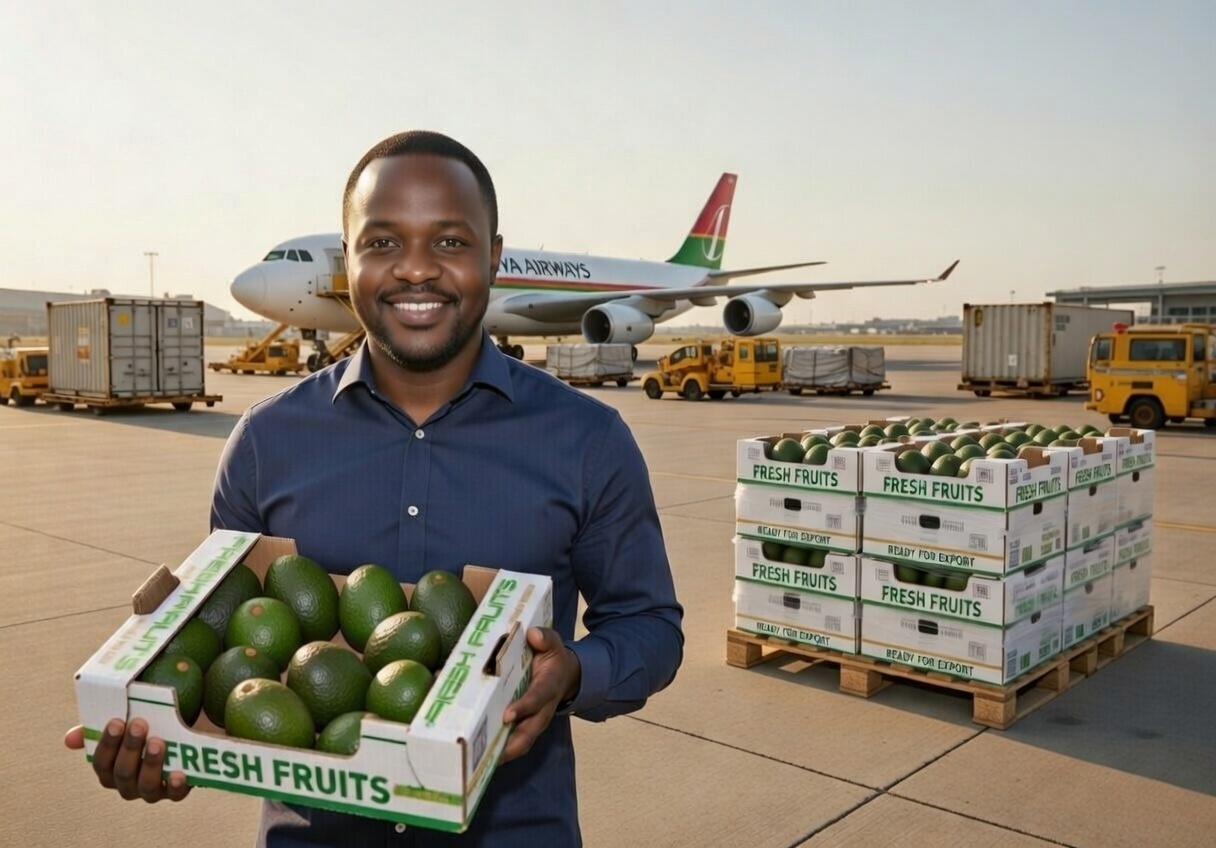
How Avocado Export Works: A Step-by-step Journey From Farm To Destination And The Role Of New Wooden Pallets
Introduction: The Global Love Affair with Avocados
Take a walk through any supermarket in New York, Tokyo, Berlin, or Dubai, and you’ll find them sitting proudly in the produce aisle—avocados. Once considered exotic, this creamy green fruit has become a global obsession. From avocado toast to guacamole bowls, smoothies to sushi rolls, demand has exploded over the last two decades. But have you ever paused mid-bite and wondered how that avocado traveled thousands of miles to reach your plate in perfect condition?
Behind every perfectly ripe avocado lies a complex, carefully coordinated journey that begins on a farm and stretches across borders, oceans, and regulatory systems. The export process isn’t just about putting fruit in a box and shipping it overseas. It’s a delicate dance involving timing, temperature control, strict international standards, logistics planning, and surprisingly—wooden pallets.
Yes, something as simple as a pallet plays a critical role in maintaining quality and ensuring safe delivery. In global trade, small details make a massive difference. A poorly handled shipment can mean financial losses, food waste, and damaged business relationships.
In this guide, we’ll break down the entire step-by-step journey of avocado exports—from cultivation to final destination—and uncover why new wooden pallets have become essential in modern agricultural logistics. Ready to trace the journey? Let’s dive in.
Understanding the Avocado Export Industry
The avocado export industry is a billion-dollar global network powered by rising consumer demand, health trends, and international trade agreements. Countries like Mexico, Peru, Kenya, Chile, and Colombia dominate exports, supplying markets in the United States, Europe, China, and the Middle East. Mexico alone accounts for nearly 40% of global avocado exports, making it a key player in the international market.
Why the surge in demand? Simple. Avocados are marketed as a superfood. They’re rich in healthy fats, fiber, potassium, and vitamins. As consumers become more health-conscious, the appetite for nutrient-dense foods continues to grow. Restaurants, food chains, and grocery retailers have all embraced the avocado boom.
But exporting avocados isn’t as easy as exporting durable goods like electronics or textiles. Avocados are perishable. They breathe. They ripen. They can bruise easily. This makes the supply chain highly sensitive and time-dependent.
Here’s what makes the avocado export industry unique:
- It requires precise harvesting timing.
- It depends heavily on cold chain logistics.
- It must comply with strict phytosanitary regulations.
- It demands durable and hygienic transport materials.
- It relies on coordinated international shipping systems.
Global competition is fierce. Buyers demand consistent quality, traceability, and compliance with food safety standards. Exporters who fail to meet these standards risk shipment rejection or financial penalties.
In short, the avocado export industry is a high-stakes operation. Every stage—from farm practices to packaging materials—must align perfectly to deliver fruit that looks fresh, tastes great, and meets international regulations.
The Life of an Avocado: From Seedling to Harvest
Before an avocado ever touches a shipping container, it begins its journey as a tiny seedling in carefully prepared soil. Avocado trees thrive in tropical and subtropical climates where temperatures remain moderate and frost is minimal. Countries that dominate avocado exports typically enjoy rich volcanic soils and stable weather conditions.
Growing avocados is not a quick process. A newly planted tree can take three to four years before producing commercial fruit. Farmers must carefully manage irrigation, fertilization, pruning, and pest control during this period. It’s a long-term investment that requires patience and expertise.
Avocado cultivation depends heavily on:
- Well-drained soil (waterlogging can destroy roots)
- Moderate temperatures (16–29°C is ideal)
- Controlled irrigation systems
- Pollination management
- Disease prevention strategies
Farmers also monitor tree health closely. Issues like root rot, pests, or fungal infections can severely impact yield and export quality. Since international buyers demand visually perfect fruit, even minor cosmetic damage can reduce export value.
Another interesting fact? Avocados don’t ripen on the tree. They mature on the tree but only begin ripening after being harvested. This unique characteristic makes them ideal for export because growers can harvest mature fruit while it’s still firm.
From seedling to harvest-ready fruit, the process can take years of care and planning. When the fruit finally reaches maturity, the next step becomes critical—harvesting at exactly the right time.
Harvesting at the Right Time: Why Timing Is Everything
If there’s one stage where mistakes can ruin the entire export process, it’s harvesting. Pick too early, and the avocado won’t ripen properly. Pick too late, and it may soften too quickly during transport. Timing truly is everything.
Farmers use several methods to determine maturity:
- Dry matter content testing
- Oil content measurement
- Skin color changes (depending on variety)
- Size and weight standards
For export markets, dry matter percentage is one of the most reliable indicators. Different countries have minimum dry matter requirements to ensure the fruit ripens properly upon arrival.
Harvesting is typically done by hand using clippers or picking poles. Workers carefully cut the fruit to avoid stem damage and bruising. Even small impacts can create internal browning that only becomes visible once the fruit is cut open by consumers.
After harvesting, avocados are placed in field crates—not thrown into piles. Gentle handling reduces pressure damage and extends shelf life.
Here’s why proper harvesting matters so much:
- It determines ripening consistency.
- It impacts shelf life during long-distance shipping.
- It affects taste and texture.
- It reduces post-harvest losses.
Think of harvesting as the starting gun in a marathon. Once the fruit is picked, the clock starts ticking. Every hour that follows must be managed carefully to preserve freshness.
Post-Harvest Handling: Protecting Quality from Day One
Once harvested, avocados are quickly transported to packing facilities. This stage is critical because poor handling can undo years of careful cultivation in just hours.
At the packing house, the fruit undergoes:
- Cleaning and washing
- Sorting by size and weight
- Visual quality inspection
- Grading based on export standards
Automated grading machines often assist in sorting fruit into categories such as small, medium, or large. Export markets typically demand uniform sizing for retail packaging.
Temperature control begins immediately. Avocados are pre-cooled to remove field heat. This step slows down respiration and delays ripening. Without rapid cooling, fruit may soften prematurely during transit.
Workers also inspect for defects like:
- Bruises
- Skin scars
- Pest damage
- Irregular shapes
Only premium-grade avocados proceed to export packaging. Lower grades may be sold in local markets or processed into products like avocado oil or puree.
Post-harvest handling is all about damage control—literally. Every movement, every transfer, every stacking decision must protect the fruit’s integrity.
And this is where logistics materials—including new wooden pallets—start playing an increasingly important role in maintaining structural stability during storage and transport.
Quality Control and International Standards: Meeting the World’s Expectations
When avocados cross borders, they don’t just carry flavor—they carry responsibility. Every shipment must meet strict international standards designed to protect consumers, local agriculture, and trade integrity. Quality control isn’t optional; it’s the backbone of successful avocado exports.
Exporters must comply with phytosanitary regulations set by importing countries. These rules are designed to prevent the introduction of pests and diseases. Before shipment, avocados are inspected by government agricultural authorities who issue a phytosanitary certificate confirming the fruit is pest-free and safe for export.
Key quality control requirements typically include:
- Minimum dry matter content
- Proper sizing and uniform grading
- Absence of visible pests or fungal infections
- Compliance with Maximum Residue Limits (MRLs) for pesticides
- Clean, undamaged packaging
Many exporters also obtain certifications such as:
- GlobalG.A.P.
- HACCP (Hazard Analysis and Critical Control Points)
- ISO food safety standards
- Organic certifications (if applicable)
Why all this paperwork and inspection? Because importing countries want assurance that the fruit entering their market won’t harm consumers or domestic farms. A single rejected shipment can cost exporters thousands of dollars and damage long-term buyer relationships.
Traceability has also become essential. Buyers want to know exactly where the fruit was grown, when it was harvested, and how it was handled. Modern export systems often use barcodes or QR codes for tracking each batch back to the farm.
In short, quality control isn’t a final checkpoint—it’s an ongoing process embedded throughout the supply chain. It builds trust, ensures compliance, and protects the reputation of both exporter and importer.
Packing and Packaging: More Than Just a Box
At first glance, packaging might seem simple—put avocados in a box and seal it. But in export logistics, packaging is science. It protects the fruit, preserves freshness, enables stacking, and supports branding.
Avocados are typically packed in corrugated fiberboard cartons designed with ventilation holes. These holes allow air circulation during cold storage and transportation. Without proper airflow, temperature control becomes uneven, increasing the risk of spoilage.
Each box is carefully labeled with:
- Country of origin
- Variety (e.g., Hass)
- Size classification
- Weight
- Exporter information
- Traceability code
Packaging must strike a balance between protection and efficiency. Too tight, and fruit bruises. Too loose, and fruit shifts during transport. Proper inserts or trays may be used to stabilize contents.
Here’s what effective avocado packaging must achieve:
- Cushion against vibration and shock
- Allow proper airflow
- Resist moisture in refrigerated conditions
- Support pallet stacking without collapsing
And this is where palletization enters the picture. Individual cartons are stacked onto pallets to create stable, transport-ready units. The strength and hygiene of these pallets significantly impact the integrity of the entire shipment.
Think of packaging as armor and pallets as the foundation. If the foundation fails, everything above it suffers.
The Role of Cold Chain Logistics in Avocado Exports
Avocados are alive—even after harvest. They continue to respire, meaning they consume oxygen and produce carbon dioxide. If not controlled, this natural process accelerates ripening and spoilage.
That’s why cold chain logistics is non-negotiable.
Cold chain refers to maintaining a consistent, controlled temperature throughout storage and transportation. For avocados, the optimal shipping temperature typically ranges between 5°C and 7°C, depending on the variety and destination.
The cold chain includes:
- Pre-cooling at packing houses
- Refrigerated trucks
- Cold storage facilities at ports
- Reefer (refrigerated) shipping containers
- Temperature-controlled distribution centers
Even small temperature fluctuations can shorten shelf life dramatically. A break in the cold chain can result in uneven ripening, internal browning, or fungal growth.
Some advanced shipments use controlled atmosphere (CA) containers, which adjust oxygen and carbon dioxide levels to slow ripening further. This technology is especially useful for long sea voyages lasting several weeks.
Maintaining cold chain integrity requires coordination between farmers, packers, logistics providers, and shipping companies. One weak link can compromise the entire shipment.
It’s like keeping ice cream frozen on a cross-country road trip. You can’t let it melt halfway and expect it to refreeze perfectly. Consistency is everything.
Transportation from Farm to Port: Managing Domestic Logistics
Before avocados ever reach international waters, they must survive domestic transport from farm to port. This stage might seem short compared to ocean freight, but it’s equally critical.
Refrigerated trucks transport palletized cartons from packing facilities to seaports or airports. The loading process must ensure:
- Proper airflow between pallets
- Secure stacking to prevent shifting
- Even weight distribution
Poor loading can lead to collapsed boxes, bruised fruit, or uneven cooling.
Domestic logistics also involves scheduling precision. If trucks arrive too early, fruit may wait outside refrigerated environments. If they arrive too late, shipments may miss vessel departure schedules.
Risk management during domestic transit includes:
- GPS tracking
- Temperature monitoring sensors
- Insurance coverage
- Backup transport arrangements
Road conditions, traffic delays, and weather disruptions can all affect timing. Exporters often build buffer time into their logistics schedules to reduce risk.
And once again, pallet quality matters. Strong, new wooden pallets reduce the risk of structural failure during forklift handling and stacking. Damaged or weak pallets can collapse under weight, leading to product loss before the shipment even leaves the country.
Domestic transport may be shorter in distance, but it sets the tone for the entire export journey.
Export Documentation and Customs Clearance: The Paperwork Behind the Produce
Exporting avocados isn’t just about moving fruit—it’s about moving documents. International trade requires precise paperwork to comply with customs regulations in both exporting and importing countries.
Common export documents include:
- Commercial invoice
- Packing list
- Bill of lading
- Phytosanitary certificate
- Certificate of origin
- Export permits
Errors in documentation can cause shipment delays, fines, or rejection at the destination port. Accuracy is essential.
Customs authorities inspect shipments to verify compliance with declared information. They may check:
- Quantity and weight
- Packaging condition
- Label accuracy
- Certification validity
Digital systems have improved efficiency, but paperwork still demands attention to detail. Many exporters work with freight forwarders or customs brokers to manage documentation and avoid costly mistakes.
Think of documentation as the passport for your avocados. Without it, they don’t cross borders.
Shipping Methods: Sea Freight vs. Air Freight
Choosing between sea freight and air freight depends on cost, urgency, and destination.
Sea Freight
- Lower cost per unit
- Suitable for large volumes
- Transit time: 2–6 weeks
- Requires advanced cold chain management
Sea freight is the most common method for avocado exports. Refrigerated containers (reefers) maintain temperature throughout the voyage.
Air Freight
- Much faster (1–3 days transit)
- Significantly higher cost
- Used for premium or urgent shipments
Air freight is typically reserved for high-value markets or when quick replenishment is required.
Here’s a quick comparison:
| Factor | Sea Freight | Air Freight |
|---|---|---|
| Cost | Low | High |
| Speed | Slow | Fast |
| Volume Capacity | High | Limited |
| Risk of Delay | Moderate | Low |
Most exporters prefer sea freight due to cost efficiency, but the choice ultimately depends on market demand and buyer requirements.
Arrival at Destination: Import Inspections and Distribution
Once the shipment arrives at the destination port, it undergoes import inspection. Authorities check documentation and may physically inspect the cargo for pests, damage, or compliance issues.
If cleared, the shipment moves to distribution centers where ripening rooms may be used to control final ripening before retail distribution.
Ripening facilities use ethylene gas in controlled environments to ensure avocados reach supermarket shelves at the perfect stage.
From there, the fruit travels to:
- Supermarkets
- Restaurants
- Food service providers
- Local wholesalers
The journey from orchard to overseas market is complete—but only if every previous step has been executed flawlessly.
The Crucial Role of Wooden Pallets in Global Trade
Let’s talk about something often overlooked: wooden pallets. They may not be glamorous, but they’re essential.
Pallets:
- Enable forklift handling
- Support stacked cartons
- Improve airflow in containers
- Reduce handling damage
- Standardize shipping units
Without pallets, international trade would be chaotic. They create stable, manageable cargo units that move efficiently through warehouses, ports, and distribution centers.
For avocado exports, pallets must meet ISPM 15 standards, meaning they are heat-treated to eliminate pests. This prevents the spread of invasive species through wood packaging materials.
A weak pallet can collapse under heavy loads, crushing cartons and damaging fruit. That’s why many exporters now prefer new wooden pallets over reused ones.
Pallets may seem simple, but they carry the weight of global commerce—literally.
New Wooden Pallets vs. Recycled Pallets: Why New Matters
Recycled pallets may reduce upfront costs, but they often come with hidden risks:
- Structural weakness
- Nail protrusions
- Contamination
- Prior damage
New wooden pallets offer:
- Greater load-bearing capacity
- Clean surfaces
- Compliance assurance
- Reduced risk of collapse
For food exports like avocados, hygiene is critical. Contaminated pallets can compromise entire shipments.
Investing in new pallets may cost slightly more initially, but it reduces risk, enhances safety, and protects brand reputation.
When you’re shipping thousands of dollars’ worth of perishable fruit across oceans, stability isn’t a luxury—it’s a necessity.
Sustainability and Environmental Impact of Wooden Pallets
When people hear “wooden pallets,” the first question that pops up is often about sustainability. Are we cutting down forests just to move avocados across the world? It’s a fair concern. But the reality is more nuanced—and surprisingly positive.
Most new wooden pallets used in export industries are made from sustainably managed forests. These forests operate under strict regulations where trees harvested are replaced through continuous replanting programs. In many regions, wood used for pallets comes from fast-growing softwood species specifically cultivated for industrial use. It’s not random deforestation—it’s controlled forestry management.
Wooden pallets also have a significant environmental advantage over plastic alternatives: they are biodegradable and recyclable. At the end of their lifecycle, wooden pallets can be:
- Repaired and reused
- Recycled into wood chips or mulch
- Converted into biomass fuel
- Repurposed into furniture or construction materials
That’s circular economy thinking in action.
Additionally, wood naturally stores carbon. Trees absorb carbon dioxide during growth, and that carbon remains stored in the pallet throughout its use. Compared to plastic pallets—which rely on fossil fuels—wooden pallets often have a lower overall carbon footprint.
In avocado exports, sustainability matters more than ever. Consumers increasingly want to know not just where their food comes from, but how it was transported. Retailers are pushing suppliers toward environmentally responsible packaging and logistics solutions.
New wooden pallets that meet ISPM 15 standards are heat-treated instead of chemically fumigated, which reduces harmful residues. This makes them safer for food shipments and more environmentally friendly.
Think of wooden pallets as the unsung eco-warriors of logistics. They quietly carry tons of fresh produce across continents while supporting recycling systems and sustainable forestry. When managed responsibly, they’re not part of the environmental problem—they’re part of the solution.
Common Challenges in Avocado Export and How to Overcome Them
Avocado export may look smooth on paper, but in reality, it’s filled with challenges that can disrupt even the most carefully planned shipment. Since avocados are perishable and sensitive, small issues can escalate quickly.
One of the biggest challenges is temperature fluctuation. A minor break in the cold chain—whether during loading, customs inspection, or port delays—can accelerate ripening. Overripe fruit arriving at destination can lead to rejected shipments and financial losses.
Another major issue is market volatility. Avocado prices can fluctuate based on seasonal supply, global demand, and competition from other exporting countries. An oversupplied market can significantly reduce profit margins.
Then there are logistics disruptions—port congestion, shipping delays, labor strikes, or weather-related interruptions. Ocean freight delays of even a few days can affect fruit quality.
Other common challenges include:
- Strict pesticide residue regulations
- Pest detection at destination ports
- Currency exchange fluctuations
- Packaging failures
- Weak pallet structures causing load collapse
So how do exporters overcome these risks?
Successful exporters invest in:
- Advanced temperature monitoring systems
- Strong relationships with reliable freight partners
- Insurance coverage for cargo
- High-quality packaging and new wooden pallets
- Diversified market strategies
Preparation is everything. Think of avocado export like flying a plane—you don’t just plan for smooth skies; you prepare for turbulence. Exporters who anticipate risks and build contingency plans are the ones who survive and thrive.
In a competitive global market, resilience separates average exporters from industry leaders.
Future Trends in Avocado Export Logistics
The avocado industry isn’t standing still. As global demand continues to rise, logistics systems are evolving rapidly to become smarter, faster, and more sustainable.
One major trend is digital traceability. Blockchain technology and digital tracking platforms are being integrated into supply chains to provide real-time visibility. Buyers can now track shipments from farm to retail shelf, enhancing transparency and accountability.
Another growing trend is smart containers. These containers are equipped with IoT (Internet of Things) sensors that monitor:
- Temperature
- Humidity
- Oxygen levels
- Shock and vibration
Data is transmitted in real-time, allowing exporters to intervene if something goes wrong during transit.
Sustainability is also shaping the future. Retailers and governments are pushing for:
- Reduced carbon emissions
- Sustainable packaging materials
- Ethical sourcing certifications
- Reduced food waste
This has increased demand for stronger, longer-lasting new wooden pallets that can withstand multiple trips while remaining compliant with international standards.
Automation in packing houses is another development. AI-powered grading machines and robotic palletizers are improving efficiency and consistency.
Meanwhile, consumer expectations continue to evolve. People want avocados that are perfectly ripe, ethically sourced, and environmentally responsible. That means exporters must balance speed, quality, and sustainability simultaneously.
The future of avocado exports will likely be defined by innovation. Companies that embrace technology, prioritize sustainability, and invest in high-quality logistics materials—like durable new wooden pallets—will remain competitive in this growing global market.
The journey from orchard to overseas destination is becoming smarter and more transparent than ever before.
Conclusion
From a quiet orchard in a tropical climate to a supermarket shelf thousands of miles away, the journey of an avocado is nothing short of remarkable. It’s a carefully orchestrated process involving farmers, quality inspectors, logistics experts, freight operators, customs authorities, and retailers—all working together to deliver a single piece of fruit in perfect condition.
Every stage matters.
Harvesting at the right time ensures proper ripening. Post-harvest handling protects texture and taste. Cold chain logistics preserves freshness. Export documentation ensures smooth border crossings. Shipping decisions impact cost and quality. Import inspections safeguard consumer health.
And quietly supporting this entire operation? New wooden pallets.
They provide structural stability, improve airflow, enable efficient handling, and ensure compliance with international phytosanitary standards. While they may seem simple, they are foundational to safe and successful avocado exports.
In today’s competitive global market, exporters cannot afford weak links. Investing in quality—whether in farming practices, packaging, or pallet systems—makes the difference between rejected shipments and long-term business success.
So next time you slice open a perfectly ripe avocado, remember: it didn’t just travel—it survived a complex global journey powered by precision, planning, and innovation.
FAQs
1. How long does it take to export avocados from farm to overseas market?
The full process typically takes between two to six weeks, depending on the destination and shipping method. Sea freight shipments take longer but are more cost-effective, while air freight significantly reduces transit time.
2. Why is temperature control so important in avocado exports?
Avocados continue to ripen after harvest. Maintaining a consistent temperature between 5°C and 7°C slows down the ripening process, preserves quality, and extends shelf life during transport.
3. What is ISPM 15, and why does it matter for wooden pallets?
ISPM 15 is an international standard requiring wooden packaging materials to be heat-treated to eliminate pests. This prevents the spread of invasive insects and ensures compliance with global trade regulations.
4. Why are new wooden pallets preferred over recycled ones for food exports?
New wooden pallets offer better structural integrity, improved hygiene, and reduced contamination risk. They minimize the chance of pallet failure during transport, protecting perishable goods like avocados.
5. Which countries export the most avocados globally?
Mexico leads global avocado exports, followed by Peru, Chile, Colombia, and Kenya. These countries supply major markets such as the United States, Europe, and Asia.



Add a comment