

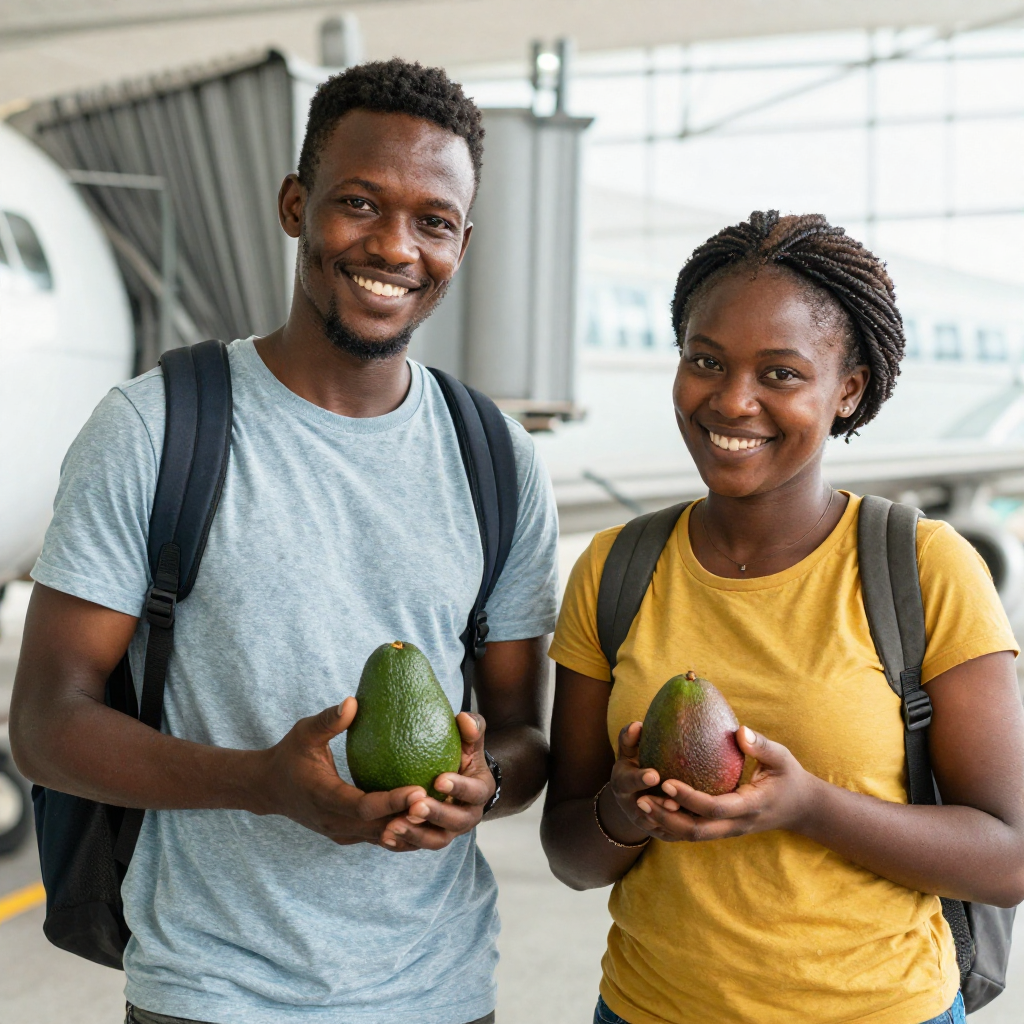
Hass vs. Fuerte: Which Avocado Variety is Driving Kenya’s Export Success?
Kenya has quietly become one of the world’s avocado giants. Over the past decade, the country has climbed the ranks to become Africa’s leading avocado exporter and one of the top global suppliers. But here’s the million-dollar question: Hass vs. Fuerte: Which Avocado Variety is Driving Kenya’s Export Success?
Avocados are no longer just a local delicacy in Kenya. They are now a major export crop, earning the country hundreds of millions of dollars annually. According to data from the Food and Agriculture Organization (FAO), global demand for avocados continues to rise, especially in Europe and Asia. Kenya has positioned itself perfectly to meet that demand.
At the heart of this growth are two main avocado varieties: Hass and Fuerte. While both play important roles, one clearly dominates export headlines.
Let’s break it down.
Historical Background of Avocado Farming in Kenya
Early Cultivation and Local Consumption
Avocado farming in Kenya dates back to the early 20th century. Initially, avocados were grown mainly for home consumption. Farmers planted trees in backyards and small farms, with little thought about international markets.
Fuerte was among the earliest varieties introduced. It adapted well to Kenya’s climate and became common in highland areas such as Murang’a and Kiambu.
Transition to Commercial Export Farming
Things changed dramatically in the 1990s and early 2000s. Global avocado demand surged, especially in Europe. Kenyan farmers and exporters began shifting toward commercial production.
This shift marked the rise of the Hass variety, which would later redefine Kenya’s export story.
Understanding the Hass Avocado Variety
Origin and Global Popularity
Hass avocados originated in California in the 1930s. Today, they dominate global markets, accounting for nearly 80% of avocados traded internationally.
Why? Simply put, consumers love them.
Physical Characteristics and Taste Profile
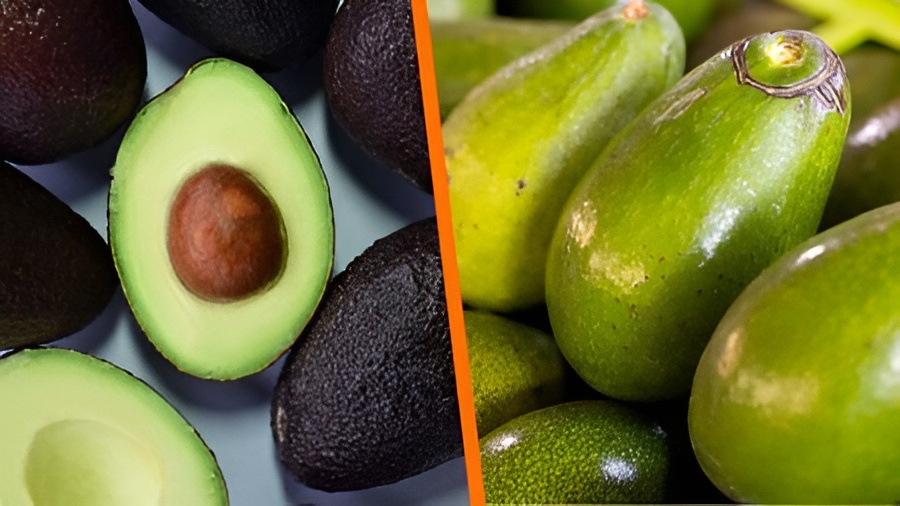
Hass avocados are small to medium-sized with rough, dark skin that turns nearly black when ripe. Inside, they have creamy, buttery flesh with a rich flavor.
This creamy texture makes them perfect for:
- Guacamole
- Salads
- Sandwich spreads
- Smoothies
European supermarkets prefer Hass because customers recognize and trust it.
Harvest Season and Yield Potential
In Kenya, Hass avocados are typically harvested between March and September. They produce high yields under proper management and can thrive in diverse regions.
Their predictable harvest cycle makes them attractive for export contracts.
Exploring the Fuerte Avocado Variety
Origin and Adaptability
Fuerte avocados originated in Mexico and were introduced to Kenya earlier than Hass. They are well adapted to cooler highland climates.
For many years, Fuerte dominated Kenyan farms.
Physical Characteristics and Flavor
Fuerte avocados are larger, with smooth green skin that remains green even when ripe. They have a mild, slightly nutty flavor.
However, their appearance can confuse international buyers since the color doesn’t change significantly at ripeness.
Harvest Window and Production Levels
Fuerte typically has a shorter harvesting window compared to Hass. While yields can be good, they are generally less consistent in large-scale export systems.
Hass vs. Fuerte: Which Avocado Variety is Driving Kenya’s Export Success? – A Comparative Analysis
Now let’s address the core issue: Hass vs. Fuerte: Which Avocado Variety is Driving Kenya’s Export Success?
Market Demand in Europe and Asia
Hass clearly leads in global demand. Supermarkets in the European Union prefer Hass due to:
- Longer shelf life
- Recognizable branding
- Consumer preference
Fuerte, while appreciated locally and regionally, does not command the same consistent demand internationally.
Shelf Life and Shipping Advantages
Hass avocados have thicker skin, making them more resistant to bruising during long-distance shipping. This is a game-changer for exports.
Fuerte’s thinner skin makes it more delicate, increasing the risk of damage.
Pricing and Profit Margins
Hass typically fetches higher prices in export markets. Kenyan exporters report stronger profit margins from Hass shipments compared to Fuerte.
In short? Hass is currently the main engine behind Kenya’s avocado export success.
Export Markets Fueling Kenya’s Growth
European Union
The EU is Kenya’s largest avocado market. Countries such as the Netherlands, France, and Spain import large volumes of Hass avocados annually.
Strict quality standards favor the durability and consistency of Hass.
Middle East
The UAE and Saudi Arabia also import Kenyan avocados. Both Hass and Fuerte are sold here, but premium retail chains lean toward Hass.
China and Emerging Asian Markets
China opened its market to Kenyan avocados in recent years. This move significantly boosted demand, especially for frozen and fresh Hass products.
Asia’s growing middle class is driving long-term growth opportunities.
Economic Impact on Kenyan Farmers
Smallholder Farmer Participation
Over 70% of Kenya’s avocado farmers are smallholders. Many have shifted from Fuerte to Hass due to better export contracts.
Export companies often provide:
- Seedlings
- Training
- Market access
This partnership model has improved farmer incomes.
Job Creation and Rural Development
Avocado farming supports thousands of jobs in:
- Harvesting
- Sorting
- Packaging
- Transportation
Processing plants and export facilities have also expanded, creating employment in rural areas.
Challenges Facing Both Varieties
Climate Change and Water Stress
Irregular rainfall and droughts threaten avocado production. Both Hass and Fuerte require reliable water supply.
Pests and Diseases
Common challenges include:
- Fruit fly infestations
- Fungal diseases
- Root rot
Farmers must invest in modern agricultural practices to maintain export quality.
Compliance with International Standards
Export markets demand strict compliance with:
- Pesticide residue limits
- Traceability systems
- Sustainable farming certifications
Failure to comply can lead to shipment rejections.
Sustainability and Future Outlook
Government Policies and Support
The Kenyan government has promoted avocado exports by:
- Supporting farmer cooperatives
- Enforcing quality regulations
- Negotiating trade agreements
These measures strengthen Kenya’s position globally.
Investment in Value Addition
Beyond fresh exports, Kenya is exploring:
- Avocado oil production
- Processed avocado products
- Frozen pulp exports
Value addition could reduce dependence on raw fruit exports and increase earnings.
Frequently Asked Questions (FAQs)
1. Why is Hass more popular internationally than Fuerte?
Hass has better shelf life, thicker skin, and strong global branding, making it more attractive to supermarkets.
2. Is Fuerte avocado still profitable in Kenya?
Yes, especially in local and regional markets. However, it does not command the same export prices as Hass.
3. Which regions in Kenya grow the most avocados?
Murang’a, Kiambu, Nyeri, and parts of Rift Valley are major production areas.
4. Does climate change affect avocado production?
Absolutely. Irregular rainfall and rising temperatures can impact yields and fruit quality.
5. Are Kenyan avocados organic?
Some farms are certified organic, but not all. Certification depends on farming practices and export requirements.
6. What is the future of Kenya’s avocado exports?
The future looks bright, especially with growing Asian markets and increased investment in value addition.
Conclusion
So, when we revisit the question — Hass vs. Fuerte: Which Avocado Variety is Driving Kenya’s Export Success? — the answer becomes clear.
While both varieties contribute to Kenya’s avocado industry, Hass is the dominant force behind export growth. Its global popularity, longer shelf life, and higher profit margins make it the preferred choice for international markets.
Fuerte still holds value, especially in local and regional markets. However, Kenya’s export success story is largely powered by Hass.
With rising global demand, improved farming practices, and strategic government support, Kenya’s avocado sector is poised for even greater heights.
The avocado boom isn’t slowing down anytime soon — and Hass is leading the charge.



Add a comment