

Cashing In on the Avocado Boom: Opportunities and Challenges for Kenyan Smallholder Farmers
Introduction: Why the Avocado Boom Matters Now
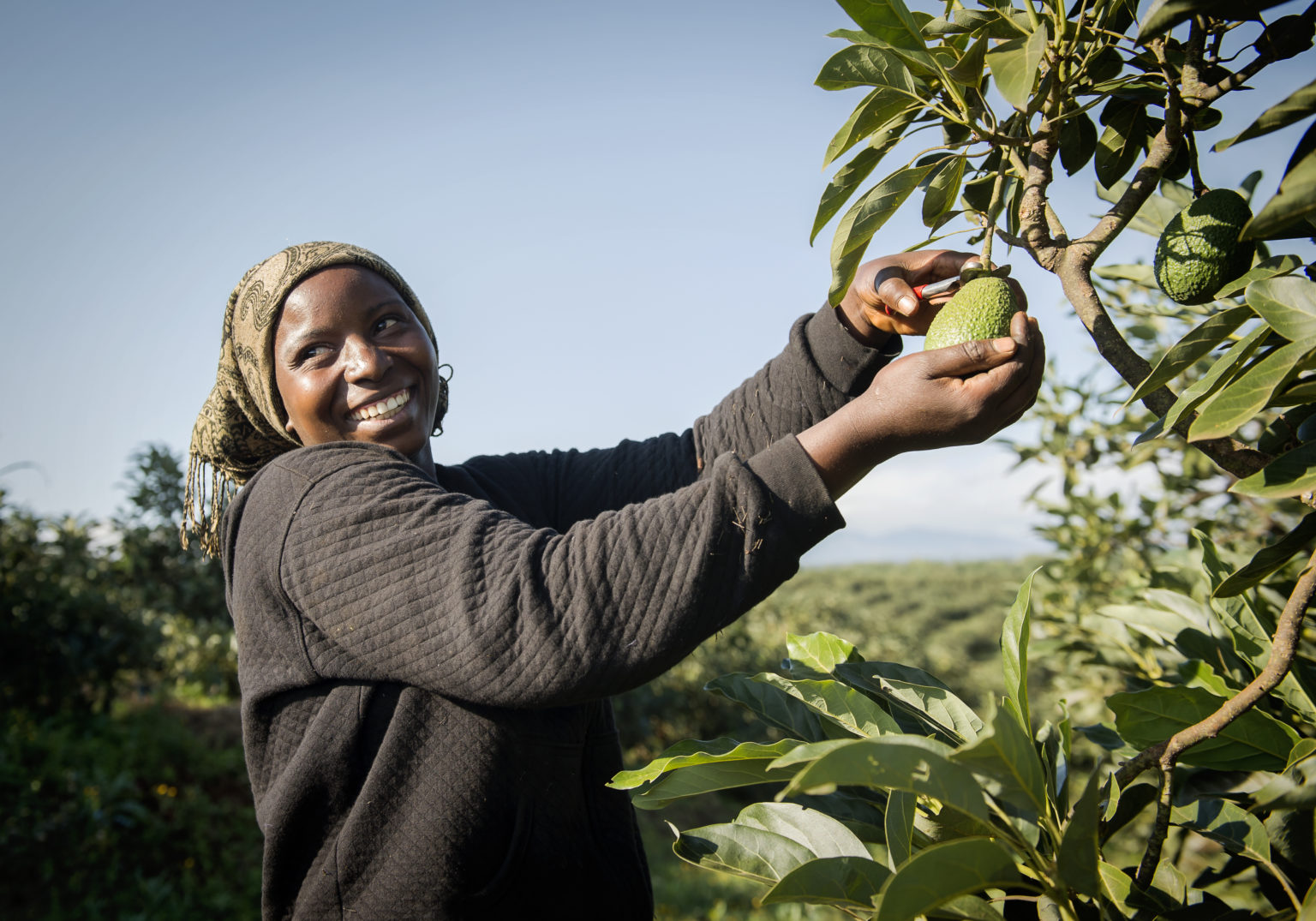
If there’s one fruit that has quietly taken over global kitchens, it’s the avocado. From trendy brunch spots in New York to smoothie bars in Tokyo, avocados have become more than just a fruit—they’re a lifestyle statement. But while consumers abroad are busy spreading guacamole on toast, something much bigger is happening thousands of miles away in rural Kenya. Smallholder farmers are stepping into a global gold rush, and the prize is green—literally.
Kenya has rapidly emerged as one of the world’s leading avocado exporters. What was once a backyard fruit tree is now a serious commercial venture. For smallholder farmers, who make up the backbone of Kenya’s agricultural sector, this boom presents a rare opportunity. Imagine shifting from struggling with low maize prices to exporting high-value produce to Europe and the Middle East. Sounds like a dream, right? Well, it’s closer to reality than ever before.
But like every gold rush, the avocado boom comes with both promise and pressure. While the potential profits are attractive, the road to success is not always smooth. Farmers must navigate strict export standards, climate challenges, fluctuating prices, and limited access to financing. The question isn’t just whether avocados can make farmers rich—it’s whether smallholders can sustainably tap into this booming industry without being squeezed out.
So, what exactly is fueling this avocado craze, and how can Kenyan farmers truly benefit? Let’s dig deeper.
Global Demand for Avocados
Avocados have transformed from a niche fruit into a global superstar. Over the past two decades, international demand has skyrocketed, driven by changing dietary habits, increased health awareness, and social media trends that make “avocado toast” look like the ultimate brunch goal. Consumers are drawn to avocados because they’re packed with healthy fats, fiber, and essential nutrients. In a world obsessed with wellness, avocados check all the boxes.
Europe, the United States, China, and the Middle East are among the fastest-growing markets. In fact, global avocado consumption has more than tripled in recent years. Countries that once barely imported avocados are now scrambling to secure reliable suppliers. This demand isn’t seasonal anymore—it’s year-round. That’s a game-changer for producing nations like Kenya.
What makes Kenya particularly attractive to global buyers? Timing. Kenya’s harvest season often complements those of major producers like Mexico and Peru. When supply dips in Latin America, Kenya steps in to fill the gap. This strategic production window allows Kenyan exporters to secure premium prices, especially in European markets.
However, global demand isn’t just about quantity—it’s about quality. Buyers want uniform size, proper ripeness, and strict adherence to safety standards. One rejected shipment can mean huge financial losses. That’s why smallholder farmers must understand that the global market rewards consistency and punishes carelessness.
Still, the numbers don’t lie. With global avocado consumption continuing to rise, Kenya’s smallholders are standing at the edge of a massive opportunity. The real question is: can they scale up fast enough to meet the demand without compromising quality?
Kenya’s Rising Role in the Global Market
Kenya isn’t just participating in the avocado trade—it’s becoming a serious contender. Over the last decade, the country has climbed the ranks to become one of Africa’s top avocado exporters and among the leading suppliers globally. This rise didn’t happen overnight. It’s the result of strategic investments, favorable climate conditions, and the hard work of thousands of smallholder farmers.
What sets Kenya apart? Geography plays a big role. The country’s diverse climate zones allow for extended harvesting periods. Regions such as Murang’a, Kiambu, Nakuru, and Kisii have become avocado hubs, producing primarily the Hass variety, which dominates global markets. Hass avocados are favored for their rich taste, longer shelf life, and high oil content—qualities that international buyers love.
Another advantage is Kenya’s proximity to Europe compared to Latin American competitors. Shorter shipping distances mean fresher produce and reduced transportation costs. That’s a competitive edge that cannot be ignored. Add to that trade agreements that allow relatively smooth access to European Union markets, and you’ve got a recipe for export success.
But here’s the twist: more than 70% of Kenya’s avocados are grown by smallholder farmers. These are farmers with less than five acres of land. Their participation makes the industry inclusive, but it also introduces complexity. Coordinating thousands of small farms to meet strict export standards is no small task.
Despite these challenges, Kenya’s avocado export volumes have continued to grow year after year. The country is no longer just an alternative supplier—it’s becoming a preferred one. And for smallholder farmers, that shift represents both a blessing and a responsibility.
The Growth of Kenya’s Avocado Industry
Take a walk through rural central Kenya today, and you’ll notice something different. Where maize once dominated the landscape, avocado orchards are steadily taking over. This transformation reflects the rapid growth of Kenya’s avocado industry, which has evolved from small-scale backyard farming into a structured export-driven sector.
Historically, avocados were grown mainly for domestic consumption. Farmers planted a few trees for family use or local markets. There was little coordination, limited commercial intent, and almost no export focus. But as global demand surged, exporters began scouting rural areas for supply. They introduced farmers to grafted Hass seedlings, provided training, and created buy-back arrangements. Slowly but surely, the industry began to formalize.
The numbers tell a compelling story. Avocado export revenues have grown significantly over the past decade, making the fruit one of Kenya’s top horticultural exports alongside tea and flowers. New orchards are being established every year, and county governments are actively encouraging farmers to switch to avocado farming.
What’s driving this shift? Profitability. Compared to traditional crops like maize or beans, avocados offer higher returns per acre. A mature avocado tree can produce hundreds of fruits annually, and with proper management, farmers can earn several times more than they would from staple crops.
Yet rapid growth brings growing pains. Oversupply risks, inconsistent quality, and competition among exporters can create instability. The industry is expanding fast—but sustainable growth requires careful planning.
Kenya’s avocado journey is still unfolding. The foundation is strong, the demand is real, and smallholder farmers are at the heart of it all.
Historical Background of Avocado Farming in Kenya
Avocado farming in Kenya didn’t start with export dreams or international contracts. It began quietly, almost accidentally, decades ago when the fruit was introduced as a backyard crop. In the 1960s and 1970s, avocados were mainly grown for domestic consumption. Farmers planted local varieties around their homesteads, often alongside bananas, mangoes, and coffee. There was no structured market, no export standards, and certainly no global hype about “superfoods.” It was simply another fruit tree in the compound.
Back then, most farmers didn’t think of avocados as a serious income-generating crop. The varieties grown were largely indigenous or non-grafted types, which produced inconsistent fruit sizes and quality. While the taste was good, the fruit lacked the uniformity required for export markets. As a result, avocados were sold cheaply in local markets or consumed at home.
The real shift began in the late 1990s and early 2000s when global demand for Hass avocados surged. Exporters started recognizing Kenya’s favorable climate and long harvest seasons as a competitive advantage. Grafted Hass seedlings were introduced more aggressively, and farmers were educated on orchard management. Slowly, avocado farming transitioned from a casual activity to a commercial venture.
What makes this transformation remarkable is that it was largely driven by smallholder farmers. Unlike large-scale plantations in other countries, Kenya’s avocado boom grew from the grassroots level. Farmers began replacing low-value crops like maize and coffee with avocado orchards. Export companies stepped in to organize collection centers, offer extension services, and connect farmers to international buyers.
Today, avocado farming is no longer an afterthought. It’s a strategic crop that contributes significantly to Kenya’s horticultural exports. The journey from backyard fruit to export powerhouse shows how global trends can reshape rural economies. But the roots of the industry remain firmly planted in small farms and family-owned plots.
Expansion of Smallholder Participation
Smallholder farmers are the backbone of Kenya’s avocado industry. In fact, they account for over 70% of total production. That’s not just a statistic—it’s a testament to how inclusive this agricultural revolution has been. Unlike industries dominated by large estates, Kenya’s avocado boom has created space for farmers with as little as one or two acres of land.
So why has smallholder participation expanded so rapidly? The answer lies in accessibility. Avocado farming doesn’t require massive land holdings to be profitable. A farmer can start with 50 to 100 trees and gradually expand. Compared to crops like tea or coffee, avocados require relatively moderate labor once the orchard is established. This makes them attractive to families looking for long-term income stability.
Another key driver has been the involvement of exporters and cooperatives. Many export companies provide farmers with grafted seedlings, technical training, and guaranteed markets. This reduces the risk for smallholders who might otherwise hesitate to invest in a new crop. Some organizations even offer input financing, deducting costs after harvest. It’s a system that lowers entry barriers and encourages participation.
County governments have also played a role by distributing subsidized seedlings and promoting avocado farming as a poverty reduction strategy. In regions like Murang’a and Nyeri, entire communities have shifted toward avocado cultivation. The ripple effect is visible—better houses, improved school attendance, and increased rural investment.
However, expansion hasn’t been without complications. Rapid growth sometimes leads to oversupply in local markets, especially when export bans or restrictions occur. Additionally, not all farmers receive proper training, leading to inconsistent fruit quality. Still, the level of smallholder involvement remains one of Kenya’s greatest strengths in the global avocado trade.
The big question moving forward is sustainability. Can smallholder farmers maintain quality standards while scaling up production? If managed well, their collective power could keep Kenya competitive for decades.
Key Export Markets and Trade Trends
Kenya’s avocados don’t just stay within East Africa—they travel thousands of miles to reach global consumers. Europe remains the largest export destination, with countries like the Netherlands, France, Spain, and Germany leading the way. The Netherlands, in particular, acts as a major entry point, redistributing Kenyan avocados across the European Union.
The Middle East is another growing market. Countries such as the United Arab Emirates and Saudi Arabia have shown increasing demand for fresh produce, including avocados. Meanwhile, emerging markets like China and India are slowly warming up to the fruit, presenting new opportunities for expansion.
Trade trends reveal an interesting pattern: demand is becoming more consistent throughout the year. Previously, avocado consumption was seasonal, peaking during certain months. Today, it’s a year-round staple in many households. This steady demand benefits Kenyan farmers, especially because Kenya’s harvesting season complements those of major producers like Mexico and Peru.
However, export markets are highly regulated. The European Union, for instance, has strict phytosanitary standards. Shipments must meet specific requirements regarding pesticide residues, fruit maturity levels, and traceability. One rejected container can cost exporters—and indirectly farmers—millions of shillings.
Price trends also fluctuate based on global supply. When Peru floods the market, prices can drop significantly. Conversely, supply shortages can drive prices up, creating windfall profits. This volatility means farmers and exporters must stay informed about global market dynamics.
Brexit, trade agreements, and shifting geopolitical relationships also influence Kenya’s avocado exports. The UK, for example, has become an increasingly important standalone market after leaving the EU.
For smallholder farmers, understanding these trade trends is crucial. They may not negotiate directly with European supermarkets, but global price shifts eventually affect farmgate prices. In a connected world, even a farmer in Murang’a feels the impact of consumer trends in Berlin.
High Profit Margins Compared to Traditional Crops
Let’s talk money—because at the end of the day, that’s what drives most farming decisions. Compared to traditional crops like maize, beans, or even coffee, avocados offer significantly higher profit margins. And for smallholder farmers juggling school fees, medical bills, and daily expenses, that difference can be life-changing.
Consider maize, one of Kenya’s staple crops. It requires seasonal planting, significant labor, fertilizer inputs, and still often suffers from unpredictable prices. In contrast, a mature avocado tree can produce hundreds of fruits annually for over 20 years. Once established, maintenance costs are relatively lower, and the returns per acre can far exceed those of cereals.
Here’s a simple comparison:
| Crop | Average Earnings per Acre (Approx.) | Harvest Frequency |
|---|---|---|
| Maize | Low to Moderate | Twice a year |
| Coffee | Moderate (price dependent) | Seasonal |
| Avocado (Hass) | High | Annual, with extended harvest window |
A well-managed acre of Hass avocados can generate several times the income of maize. And because export prices are often quoted in foreign currency, farmers indirectly benefit from favorable exchange rates.
But here’s the catch: profitability isn’t instant. Avocado trees take about 2 to 3 years to start producing meaningful yields. This waiting period can discourage farmers without financial buffers. Additionally, orchard management requires knowledge—pruning, pest control, and proper harvesting techniques all influence output.
Still, once the trees mature, the income potential becomes clear. Many farmers report using avocado earnings to build permanent homes, invest in dairy cows, or educate their children. It’s not just about higher margins—it’s about long-term economic stability.
So, are avocados a guaranteed ticket to wealth? Not exactly. But compared to many traditional crops, they offer a much brighter financial outlook—if managed wisely.
Year-Round Income Potential
One of the most attractive features of avocado farming is its potential to generate income over an extended period. Unlike seasonal crops that provide a lump sum once or twice a year, avocados can offer a more staggered cash flow. For smallholder farmers, this steady income stream can make a world of difference.
Kenya’s diverse climate allows for different harvesting periods across regions. This means farmers in one county may harvest slightly earlier or later than those in another. Such variation helps spread supply over several months, reducing market gluts and stabilizing prices.
Additionally, avocado trees have a long productive lifespan—often over 20 years. Once mature, they continue yielding fruit annually with proper care. That kind of longevity turns an orchard into a long-term financial asset rather than a short-term gamble.
Some farmers also intercrop avocados with vegetables or legumes during the early years before the canopy fully develops. This strategy generates supplementary income while waiting for the trees to mature. It’s like planting a savings account that quietly grows in the background while you earn from other sources.
However, year-round income depends heavily on market access. If export channels are disrupted—due to policy changes or international trade restrictions—farmers may struggle to sell their produce. That’s why diversification of markets and proper planning are essential.
Still, compared to many agricultural ventures, avocados offer something rare: predictability over time. And in farming, predictability is gold.
Employment Creation in Rural Areas
When people talk about the avocado boom, they often focus on export revenues and rising farmgate prices. But there’s another layer to this story—jobs. And not just a handful of them. The growth of avocado farming in Kenya has quietly transformed rural employment patterns, creating opportunities far beyond the orchard itself.
Think about it. Every new acre of avocado trees needs labor for planting, pruning, spraying, weeding, harvesting, sorting, and packaging. That’s direct employment. Now add transporters, collection center workers, exporters, quality inspectors, and logistics teams. Suddenly, what started as a simple fruit becomes the center of an entire rural economy.
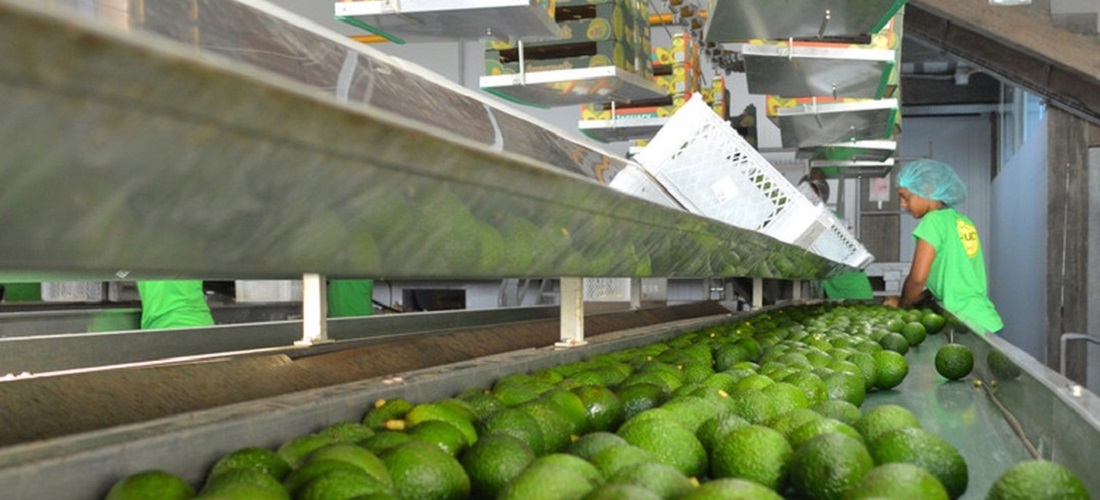
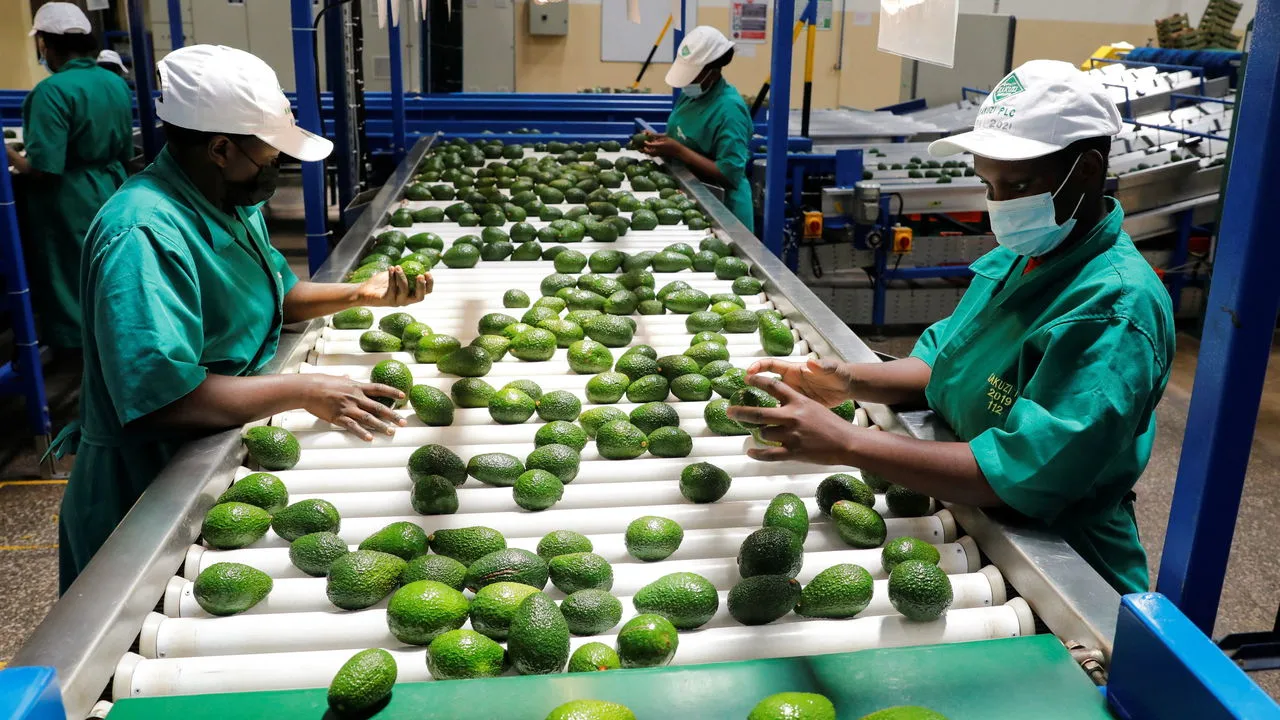
For many young people who once migrated to cities in search of work, avocados are creating reasons to stay. Harvest seasons, in particular, generate temporary but meaningful income for casual laborers. Women, too, have found opportunities in sorting and grading facilities, where attention to detail is critical for meeting export standards.
Here’s where it gets interesting: the avocado value chain isn’t just about farm labor. It also stimulates entrepreneurship. Some individuals open local agrovet shops supplying fertilizers and pesticides. Others invest in small transport businesses, moving produce from farms to aggregation centers. Even roadside vendors benefit from increased local cash flow.
However, employment growth comes with challenges. Labor demand peaks during harvest, which can create shortages or wage inflation. Additionally, not all jobs are formal or secure. Casual laborers often lack contracts, social protection, or consistent income throughout the year.
Still, compared to many other agricultural sectors, avocados have a strong multiplier effect. The fruit doesn’t just grow on trees—it grows rural economies. And in regions where job opportunities were once scarce, that impact is hard to ignore.
Value Addition and Processing Opportunities
Here’s a question worth asking: why export raw avocados only to import processed avocado oil at a higher price? That’s where value addition enters the conversation. For Kenyan smallholder farmers and agribusiness investors, processing avocados locally could unlock even greater economic potential.
Avocados aren’t just for fresh consumption. They can be transformed into:
- Avocado oil (used in cooking and cosmetics)
- Guacamole and dips
- Avocado puree for baby food
- Skincare and haircare products
- Animal feed from rejected fruits
Every fruit that fails to meet export standards due to size or minor blemishes represents a lost opportunity—unless it’s processed. Currently, a significant portion of lower-grade fruit is sold cheaply in local markets or goes to waste. Processing plants can convert these rejects into high-value products, reducing post-harvest losses and boosting farmer incomes.
Avocado oil, in particular, has strong global demand. It’s marketed as a premium, heart-healthy alternative to other cooking oils. Kenya has already begun investing in small-scale oil extraction facilities, but the sector is still developing. With proper infrastructure and investment, processing could absorb surplus production and stabilize prices during peak harvest periods.
For smallholder farmers, value addition often happens through cooperatives. By pooling resources, farmers can collectively invest in basic processing equipment or partner with private companies. This collective approach reduces individual risk while expanding income streams.
But challenges remain. Processing requires consistent supply, quality control, regulatory compliance, and significant capital investment. Without proper management, facilities can struggle to remain profitable.
Still, the opportunity is undeniable. Instead of exporting raw potential, Kenya can export finished products. And when farmers participate in that value chain, they don’t just sell fruit—they sell value.
From Farm to Export Market
The journey of a Kenyan avocado from a rural orchard to a European supermarket shelf is surprisingly complex. It’s not as simple as harvesting and shipping. There’s an entire chain of activities that must work perfectly to ensure quality and compliance.
It begins on the farm. Farmers must harvest at the correct maturity stage—too early, and the fruit won’t ripen properly; too late, and it spoils quickly. After harvesting, the avocados are carefully handled to prevent bruising. They’re then transported to collection centers or packhouses.
At the packhouse, several critical steps take place:
- Sorting and grading – Fruits are classified based on size, weight, and quality.
- Cleaning and treatment – To remove dirt and reduce pest risks.
- Packaging – According to export specifications.
- Cold storage – Maintaining optimal temperatures before shipment.
From there, the avocados are loaded into refrigerated containers and transported to the port of Mombasa. Shipping to Europe can take several weeks, so temperature control is essential. Even a slight break in the cold chain can ruin an entire consignment.
Traceability is another key requirement. Buyers want to know exactly where each fruit came from, including details about pesticide use and farm practices. This means farmers must keep accurate records—a new concept for many smallholders.
The value chain is efficient when everyone plays their part. But a weak link—poor harvesting techniques, delays in transport, or inadequate storage—can lead to rejection at the destination market.
For smallholder farmers, understanding this chain is empowering. The more they know about what happens after the fruit leaves their farm, the better they can align their practices with market expectations. And in the export business, alignment equals income.
Role of Middlemen and Exporters
Middlemen often get a bad reputation in agricultural value chains. They’re sometimes seen as opportunists who exploit farmers. But in reality, their role in Kenya’s avocado industry is more nuanced.
For many smallholder farmers, middlemen—also known as brokers—are the easiest route to market. They purchase avocados directly from farms, saving farmers the hassle of transportation and negotiation with exporters. In remote areas where collection centers are scarce, brokers provide critical market access.
Exporters, on the other hand, operate at a larger scale. They manage packhouses, handle compliance with international standards, and secure contracts with overseas buyers. Without them, smallholder farmers would struggle to navigate the complexities of global trade.
However, challenges arise when transparency is lacking. Some brokers offer low farmgate prices, especially when farmers have limited market information. Others may harvest immature fruits to meet demand quickly, damaging Kenya’s reputation in export markets.
To address this, the government occasionally imposes harvesting regulations, restricting exports during certain periods to ensure fruit maturity. While these measures aim to protect quality, they can also disrupt farmer incomes if not well coordinated.
The ideal scenario is balance. Middlemen and exporters should function as partners rather than adversaries. When pricing is fair and communication is clear, the entire value chain benefits.
For smallholders, joining cooperatives often reduces dependence on brokers and increases bargaining power. Still, middlemen remain a significant part of the ecosystem. Love them or not, they play a role in keeping the avocado wheels turning.
Certification and Quality Standards
If there’s one phrase that defines the export avocado business, it’s this: quality is king. International markets don’t compromise, and neither can farmers who want to compete globally.
Most European buyers require certifications such as GlobalG.A.P., which ensures good agricultural practices. This certification covers everything from pesticide use and worker safety to environmental management and traceability. For smallholder farmers, obtaining certification can be both a challenge and an opportunity.
On one hand, certification opens doors to premium markets and better prices. On the other hand, it requires strict record-keeping, regular audits, and sometimes costly adjustments to farming practices. For a farmer used to informal operations, this can feel overwhelming.
Quality standards also dictate fruit size, oil content, and appearance. Even minor blemishes can downgrade fruit from export quality to local market grade, significantly reducing its value.
But here’s the bigger picture: certification isn’t just about meeting foreign requirements. It often leads to improved farm management overall. Farmers who adopt best practices tend to experience higher yields, better soil health, and reduced pesticide misuse.
Cooperatives and exporters sometimes support farmers through the certification process, spreading costs across groups. This collective model makes compliance more achievable for smallholders.
In the end, certification isn’t just paperwork—it’s a passport to global markets. And for Kenyan smallholder farmers aiming to cash in on the avocado boom, that passport is becoming increasingly essential.
Climate Change and Environmental Pressures
Let’s be honest—farming has never been predictable. But in recent years, unpredictability has become the norm. For Kenyan smallholder avocado farmers, climate change isn’t a distant headline; it’s a daily reality. Rains that once came like clockwork now delay, disappear, or arrive in destructive downpours. Temperatures are rising. Water sources are shrinking. And avocado trees, like any crop, respond to these shifts.
Avocados thrive in specific conditions: moderate temperatures, well-distributed rainfall, and good drainage. Too much rain can cause root rot and fungal diseases. Too little water leads to flower drop and reduced fruit size. When rainfall patterns change, yields fluctuate. And when yields fluctuate, incomes wobble.
Drought has become a major concern in some regions. Young avocado trees are especially vulnerable because their root systems are still developing. Without adequate irrigation, farmers risk losing years of investment. On the flip side, heavy rains can wash away topsoil, reducing fertility and long-term productivity.
There’s also the issue of water usage. Avocados have sometimes been criticized globally for being “water-intensive.” While Kenyan production relies largely on rainfall compared to heavily irrigated farms elsewhere, expanding orchards still increase pressure on local water resources. Poor water management can create tension within communities.
So what’s the way forward? Climate-smart practices are no longer optional—they’re essential. Farmers are increasingly adopting:
- Mulching to retain soil moisture
- Drip irrigation systems for efficient water use
- Planting cover crops to prevent erosion
- Agroforestry techniques to regulate microclimates
Climate change may be unavoidable, but vulnerability isn’t. The more farmers adapt, the more resilient their orchards become. In a booming industry like avocados, sustainability isn’t just good ethics—it’s good business.
Limited Access to Quality Seedlings
Imagine investing three years waiting for your avocado trees to mature—only to discover the fruit quality is poor and unsuitable for export. That’s the risk farmers face when they plant substandard seedlings. Access to certified, grafted Hass seedlings remains a critical challenge for many smallholders.
Not all seedlings are created equal. Grafted seedlings ensure uniformity, early fruiting, and desirable traits like high oil content. However, some farmers unknowingly purchase seedlings from unverified nurseries. These may be poorly grafted, diseased, or even the wrong variety altogether. The result? Low yields, inconsistent fruit size, and lost market opportunities.
Why does this happen? Partly because demand has outpaced supply. As more farmers rush to plant avocados, unscrupulous vendors step in to fill the gap. Without proper regulation and monitoring, fake or low-quality seedlings circulate in rural markets.
Quality seedlings may also cost more upfront, which discourages farmers with limited capital. But cutting corners at the beginning often leads to bigger losses later. It’s like building a house on a weak foundation—it might stand for a while, but cracks will eventually show.
Government agencies and county authorities have started certifying nurseries to address this issue. Some cooperatives also distribute vetted seedlings directly to members, reducing the risk of fraud. Training farmers to recognize healthy graft unions and strong root systems is another important step.
In avocado farming, patience is part of the game. But patience must be paired with smart choices. Starting with high-quality seedlings isn’t just advisable—it’s non-negotiable for farmers who want to compete in export markets.
Pest and Disease Management
Healthy orchards are productive orchards. But like any crop, avocados attract their fair share of pests and diseases. For smallholder farmers, managing these threats effectively can mean the difference between profit and loss.
Common pests in Kenyan avocado farms include fruit flies, thrips, and mites. Fruit flies are particularly troublesome because they lay eggs inside the fruit, making it unfit for export. Even a small infestation can trigger export restrictions, affecting entire regions.
Diseases such as root rot (often caused by poor drainage) and fungal infections also pose serious risks. These problems are sometimes worsened by heavy rains or improper irrigation. Once a tree is severely infected, recovery can be difficult and costly.
The challenge for smallholders lies in balancing effective pest control with compliance to export regulations. International markets have strict limits on pesticide residues. Over-spraying or using banned chemicals can result in rejected shipments. Under-spraying, on the other hand, increases crop damage.
Integrated Pest Management (IPM) is becoming the preferred approach. Instead of relying solely on chemicals, IPM combines biological controls, proper sanitation, monitoring, and targeted spraying. For example:
- Removing fallen fruits to reduce breeding grounds
- Using pheromone traps to monitor pest populations
- Pruning trees to improve air circulation
Training is critical here. Farmers need up-to-date knowledge about safe pesticide use, application timing, and pre-harvest intervals. Extension officers and cooperatives play a key role in spreading this information.
Pest and disease management isn’t glamorous, but it’s fundamental. In a high-value export industry, even minor damage can downgrade fruit quality. Vigilance, consistency, and education are the farmer’s best defense.
Post-Harvest Losses
You’ve nurtured your orchard for months. The fruit looks perfect. Buyers are ready. Then, somewhere between the farm and the port, things go wrong. Bruising, poor handling, and improper storage can turn premium avocados into unsellable waste. That’s the harsh reality of post-harvest losses.
Avocados are delicate. They may look tough on the outside, but they bruise easily. Rough handling during harvesting—like dropping fruit to the ground—creates internal damage that only becomes visible days later. By the time the shipment reaches Europe, it’s too late.
Temperature control is another critical factor. Avocados must remain within specific temperature ranges to prevent premature ripening or spoilage. Breaks in the cold chain, even briefly, can compromise entire consignments.
For smallholder farmers, limited infrastructure makes this more challenging. Not all rural areas have easy access to packhouses or cold storage facilities. Transport delays due to poor roads further increase risk.
Here’s where simple improvements can make a big difference:
- Using harvesting clippers instead of pulling fruit
- Placing fruit gently in padded crates
- Reducing time between harvest and cooling
- Coordinating transport schedules efficiently
Reducing post-harvest losses doesn’t just increase profits—it protects Kenya’s reputation in global markets. Consistency builds trust, and trust builds long-term contracts.
In a booming industry, waste is expensive. Every fruit lost after harvest represents labor, water, and time thrown away. Minimizing these losses is one of the fastest ways to improve farmer incomes without expanding acreage.
Access to Credit and Farm Inputs
Avocado farming may be profitable in the long run, but it requires upfront investment. Seedlings, fertilizers, irrigation systems, pest control products—all of these cost money. And for many smallholder farmers, access to affordable credit remains a major obstacle.
Traditional banks often view small-scale farmers as high-risk borrowers. Irregular income, lack of collateral, and climate uncertainty make lenders cautious. As a result, farmers may rely on informal loans with high interest rates, which eat into profits.
Without financing, farmers struggle to:
- Install drip irrigation systems
- Purchase quality inputs
- Expand orchards
- Invest in certification
Some exporters and cooperatives offer input financing, deducting costs after harvest. This model reduces immediate financial pressure, but it can also tie farmers to specific buyers, limiting bargaining power.
Mobile banking and digital lending platforms are slowly changing the landscape. Farmers can now access microloans through their phones, often based on transaction history rather than traditional collateral. While promising, these solutions must be managed carefully to avoid over-indebtedness.
Financial literacy is equally important. Understanding cash flow, budgeting for orchard maintenance, and planning for the non-productive early years can prevent financial strain.
Credit isn’t just about borrowing—it’s about empowerment. When farmers can access affordable capital, they invest confidently, adopt better practices, and increase productivity. In the avocado boom, capital access could determine who thrives and who struggles to keep up.
Price Fluctuations and Market Volatility
Here’s the uncomfortable truth: avocado prices are not guaranteed. They rise and fall based on global supply, demand, shipping costs, and even currency exchange rates. For smallholder farmers, this volatility can feel like riding a roller coaster without a seatbelt.
When global supply is tight—perhaps due to poor harvests in major producing countries—prices soar. Farmers celebrate. But when countries like Peru or Mexico flood the market, prices drop sharply. Even if Kenyan farmers maintain high quality, they can’t fully control international price trends.
Currency fluctuations also play a role. Since exports are priced in foreign currencies, exchange rate shifts affect farmgate earnings. A favorable exchange rate can boost income, while an unfavorable one reduces it.
Local factors matter too. Export bans or temporary harvesting restrictions can create domestic oversupply, pushing prices down. Farmers who rely solely on export markets are particularly vulnerable during such periods.
Diversification is one strategy to manage volatility. Selling part of the harvest locally or engaging in value addition can cushion against export market shocks. Long-term contracts with reliable exporters may also provide more predictable pricing.
Market volatility isn’t unique to avocados—but because the fruit is heavily export-dependent, smallholders feel global tremors more directly. The key lies in awareness, planning, and diversification.
In farming, uncertainty is inevitable. But preparation transforms uncertainty from a threat into a manageable risk.
Dependence on Export Markets
Kenya’s avocado success story is deeply tied to international demand. Europe, the Middle East, and emerging Asian markets absorb the majority of export-grade fruit. That global appetite has fueled rural prosperity—but it has also created heavy dependence. And dependence, in any industry, can be risky.
When farmers rely primarily on export markets, they become vulnerable to forces beyond their control. Trade policy changes, shipping disruptions, geopolitical tensions, and economic slowdowns in importing countries can instantly affect demand. A recession in Europe, for instance, might reduce consumer spending on premium fruits like avocados. That ripple travels quickly down the value chain, eventually reaching the smallholder in Murang’a or Nyeri.
Export markets are also highly regulated. Stricter phytosanitary rules, changes in pesticide residue limits, or new certification requirements can block shipments overnight. Farmers who fail to adapt quickly may lose access entirely. Even logistical issues—like container shortages or rising freight costs—can shrink profit margins dramatically.
Overreliance on exports can also suppress domestic market development. While local consumption of avocados in Kenya is growing, it still doesn’t match export volumes in terms of value. When export channels close temporarily, domestic markets can become oversupplied, pushing prices down sharply.
So what’s the solution? Diversification. Strengthening regional African markets through trade agreements could reduce overdependence on Europe. Promoting local value addition—like oil extraction and food processing—can also absorb excess supply. Encouraging domestic consumption through awareness campaigns may gradually balance demand.
Exports have opened incredible opportunities, no doubt about it. But resilience comes from balance. A healthy avocado industry shouldn’t stand on one leg. The stronger and more diverse the market base, the safer smallholder farmers will be when global winds shift.
Strength in Numbers: The Power of Cooperatives
If you’ve ever tried negotiating alone in a busy marketplace, you know how hard it can be to secure a good deal. Now imagine thousands of farmers doing that individually. That’s where cooperatives step in—and why they’ve become central to Kenya’s avocado boom.
Cooperatives bring farmers together under one organized structure. Instead of selling small quantities individually, members pool their produce. This collective volume increases bargaining power with exporters. Buyers prefer consistent, bulk supply, and cooperatives make that possible.
Beyond marketing, cooperatives provide shared services. They often coordinate training sessions on pest management, proper harvesting techniques, and record-keeping for certification. Some even facilitate access to subsidized inputs or credit. By spreading costs across members, expensive processes like GlobalG.A.P. certification become more affordable.
There’s also transparency. When farmers sell individually through brokers, price information can be unclear. In a cooperative system, pricing structures and deductions are typically communicated openly, building trust among members.
However, cooperatives aren’t automatically successful. Poor leadership, mismanagement of funds, or lack of accountability can weaken them. Trust is everything. When managed professionally and transparently, cooperatives become powerful engines of rural transformation. When mismanaged, they can discourage participation.
The most successful avocado-growing regions in Kenya often have strong cooperative networks. Farmers share knowledge, coordinate harvest schedules, and maintain quality standards collectively.
In a global industry where scale matters, unity becomes a competitive advantage. Alone, a smallholder may struggle. Together, thousands of smallholders can influence markets.
Government Policies and Regulatory Framework
Agriculture doesn’t operate in a vacuum. Government policies shape how smoothly—or how painfully—industries grow. In Kenya’s avocado sector, regulation plays a crucial role in maintaining quality and protecting international reputation.
One major area of regulation involves harvest timing. To prevent the export of immature fruits—which can damage Kenya’s credibility—authorities sometimes enforce export windows. Only avocados that meet maturity standards are allowed for shipment. While this protects long-term market access, it can create short-term income disruptions for farmers.
The government also oversees nursery certification to reduce the circulation of poor-quality seedlings. By regulating planting materials, authorities aim to safeguard future productivity. Additionally, phytosanitary inspections ensure exported fruit meets international health standards.
Trade agreements are another important policy tool. Preferential access to European markets has strengthened Kenya’s competitiveness. Negotiations with emerging markets, such as China, further expand export opportunities.
But policy implementation can be inconsistent. Delays in communication, sudden regulatory changes, or bureaucratic inefficiencies sometimes create confusion. Farmers need timely information to plan harvesting and marketing decisions effectively.
Extension services—government officers who provide technical advice—also play a vital role. In areas where extension support is strong, farmers tend to adopt better practices and maintain higher yields. However, limited staffing and resources mean not all farmers receive adequate guidance.
In short, government involvement is essential—but it must be predictable, transparent, and farmer-focused. Clear policies build confidence. And confidence encourages investment.
Water Management Techniques
Water is life in agriculture—and in avocado farming, it’s everything. Too little, and yields shrink. Too much, and diseases spread. Managing water efficiently is one of the most critical skills smallholder farmers must master.
Kenya’s avocado regions largely depend on rainfall, but changing weather patterns make irrigation increasingly important. Drip irrigation systems are becoming popular because they deliver water directly to the root zone, reducing waste. Compared to flood irrigation, drip systems conserve water and lower the risk of fungal infections.
Mulching is another simple but powerful technique. By covering soil with organic material like dry grass or leaves, farmers reduce evaporation and maintain stable soil temperatures. It’s cost-effective and improves soil health over time.
Rainwater harvesting also offers potential. Installing water tanks or small reservoirs during rainy seasons provides backup supply during dry spells. While initial setup costs can be high, long-term benefits justify the investment.
Proper drainage is equally crucial. Avocado roots dislike waterlogging. Farms located in heavy clay soils must ensure adequate drainage channels to prevent root rot.
Efficient water management isn’t just about productivity—it’s about sustainability. As more farmers shift to avocado cultivation, competition for water resources may intensify. Responsible use today ensures availability tomorrow.
Think of water like money in a savings account. Spend it wisely, and your orchard thrives. Waste it, and you risk drought—financial and literal.
Technology and Innovation in Avocado Farming
Farming isn’t what it used to be. Smartphones, data analytics, and precision irrigation systems are quietly reshaping how avocados are grown and sold in Kenya.
Digital platforms now connect farmers directly with buyers, reducing reliance on middlemen. Through mobile apps, farmers can check market prices, receive weather forecasts, and even access agronomic advice. Information that once took days to circulate now travels instantly.
Modern irrigation systems equipped with timers and moisture sensors optimize water use. Instead of guessing when to irrigate, farmers can rely on data. This improves yields while conserving resources.
Post-harvest technology has also advanced. Improved cold storage units, better packaging materials, and faster logistics systems reduce spoilage rates. Some exporters use traceability software that tracks fruit from orchard to supermarket shelf, enhancing transparency.
Drones and satellite imaging, though still limited to larger operations, are slowly entering the picture. These tools can monitor orchard health, detect stress areas, and guide targeted interventions.
However, technology adoption among smallholders depends on affordability and training. A sophisticated system is useless without proper knowledge. That’s why partnerships between private companies, NGOs, and government agencies are crucial for scaling innovation responsibly.
Technology won’t replace farmers—but it can empower them. In a competitive global market, innovation isn’t a luxury. It’s a survival tool.
The Future of Avocado Farming in Kenya
So, where is all this heading? Is the avocado boom a passing trend, or is it here to stay?
Global demand suggests long-term potential. Health-conscious consumers continue embracing plant-based diets, and avocados remain a staple in that movement. Emerging markets in Asia offer fresh opportunities for expansion. If managed strategically, Kenya could strengthen its position as a reliable year-round supplier.
But the future depends on sustainability. Rapid expansion without quality control could damage market reputation. Overproduction without diversification could depress prices. Climate change without adaptation could reduce yields.
Youth involvement presents a promising sign. Younger farmers are more open to technology, record-keeping, and innovative marketing strategies. Women, too, are increasingly participating in orchard management and cooperative leadership.
The path forward likely includes:
- Greater investment in value addition
- Stronger farmer cooperatives
- Expanded regional trade within Africa
- Enhanced climate-smart practices
- Improved financial inclusion
The avocado boom isn’t just about fruit—it’s about transformation. It has the potential to reshape rural livelihoods for decades. But like any opportunity, it requires foresight, discipline, and collaboration.
The seeds have been planted. The challenge now is nurturing the industry responsibly so that smallholder farmers continue to thrive long after the global hype fades.
Conclusion
Kenya’s avocado boom is more than an agricultural trend—it’s an economic shift. For smallholder farmers, it offers higher incomes, employment opportunities, and a pathway into global markets. From humble backyard trees to export-ready orchards, the transformation has been remarkable.
Yet opportunity and risk walk hand in hand. Climate pressures, market volatility, certification demands, and export dependence create constant challenges. Success requires organization, education, investment, and resilience.
The future of Kenya’s avocado industry will depend largely on how well smallholder farmers adapt to these realities. With strong cooperatives, smart policies, sustainable practices, and strategic diversification, the green gold rush can continue benefiting rural communities for years to come.
In the end, avocados are more than a fruit—they’re a symbol of possibility. And for Kenya’s smallholder farmers, that possibility is worth nurturing.
FAQs
1. How long does it take for avocado trees to start producing fruit?
Grafted Hass avocado trees typically begin producing commercially viable fruit within 2 to 3 years, with full production reached around 5 to 7 years.
2. Which avocado variety is most profitable in Kenya?
The Hass variety dominates export markets due to its high oil content, longer shelf life, and strong international demand.
3. Can smallholder farmers succeed without joining cooperatives?
Yes, but cooperatives improve bargaining power, access to certification, training, and market stability, making success more sustainable.
4. What are the biggest risks in avocado farming?
Climate change, pest infestations, market price fluctuations, and export restrictions are among the top risks farmers face.
5. Is avocado farming sustainable in the long term?
With proper water management, climate-smart practices, quality control, and market diversification, avocado farming can remain sustainable and profitable.



Add a comment