

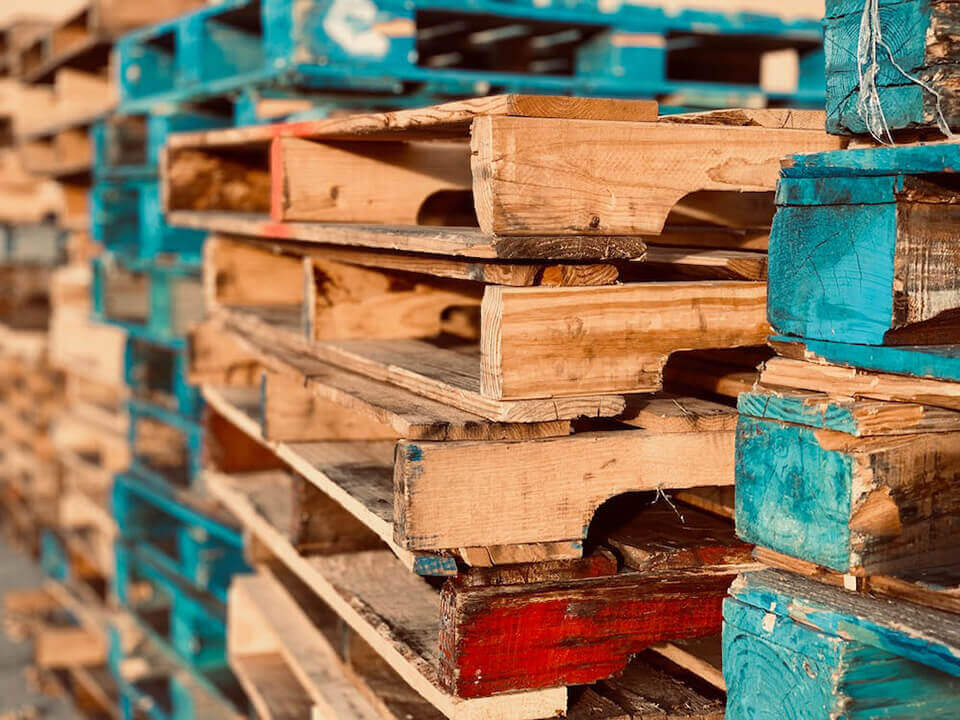
Beyond the Price Tag: 7 Hidden Costs of Inferior Pallets That Drain Manufacturing Profits
Introduction to Pallet Use in Manufacturing
Pallets may seem like simple tools, but they play a huge role in manufacturing and logistics. When discussing Beyond the Price Tag: The Full Financial Impact of Inferior Pallets in Manufacturing, it becomes clear that these everyday items can significantly influence operational success.
What Are Pallets and Why They Matter
Pallets are flat transport structures that support goods during storage and shipping. They help businesses move products efficiently using forklifts, pallet jacks, and conveyors.
Without pallets, handling bulk goods would be slow, costly, and unsafe. They form the backbone of modern supply chains.
Role of Pallets in Supply Chain Efficiency
Efficient pallet systems allow:
- Faster loading and unloading
- Better warehouse organization
- Reduced manual labor
- Improved inventory tracking
Simply put, pallets are not just tools—they are critical infrastructure.
Understanding Inferior Pallets
Characteristics of Low-Quality Pallets
Inferior pallets often:
- Use low-grade wood or weak plastic
- Have poor construction
- Break easily under pressure
- Lack standard sizing
These flaws make them unreliable in demanding environments.
Common Materials Used in Inferior Pallets
Cheap pallets may be made from:
- Untreated wood
- Recycled, brittle plastics
- Poorly compressed materials
While they may save money upfront, the long-term consequences can be severe.
The Illusion of Cost Savings
Initial Purchase Price vs Lifecycle Cost
At first glance, cheaper pallets seem like a smart financial decision. However, businesses often overlook lifecycle costs.
A low-cost pallet might need replacement multiple times, while a high-quality one lasts years.
Hidden Expenses That Add Up
Hidden costs include:
- Frequent replacements
- Repair expenses
- Increased labor time
- Product losses
Over time, these costs exceed the initial savings.
Operational Inefficiencies Caused by Inferior Pallets
Inferior pallets don’t just break—they disrupt entire workflows.
Downtime and Workflow Disruptions
When pallets fail:
- Production lines may stop
- Workers must reorganize goods
- Deliveries get delayed
Even a small disruption can ripple across operations.
Increased Labor Costs
Employees spend extra time:
- Fixing damaged loads
- Repacking goods
- Handling accidents
This leads to higher labor expenses and reduced productivity.
Product Damage and Financial Loss
How Weak Pallets Compromise Goods
Weak pallets cannot properly support heavy loads. This can cause:
- Collapsed stacks
- Shifted products
- Broken packaging
Cost of Returns and Replacements
Damaged goods lead to:
- Customer returns
- Replacement costs
- Refunds
These losses directly impact profit margins.
Safety Risks and Liability Issues
Workplace Injuries Linked to Pallet Failure
Broken pallets can cause:
- Trips and falls
- Collapsing loads
- Worker injuries
Safety hazards increase significantly with poor pallet quality.
Legal and Insurance Implications
Accidents may result in:
- Lawsuits
- Higher insurance premiums
- Regulatory penalties
Investing in quality pallets reduces these risks.
Impact on Equipment and Maintenance Costs
Wear and Tear on Machinery
Damaged pallets can harm:
- Conveyor belts
- Automated systems
This increases maintenance frequency.
Forklift and Conveyor System Damage
Splintered wood or uneven pallets can:
- Damage forklift tires
- Jam conveyor systems
Repairs are costly and time-consuming.
Environmental and Sustainability Concerns
Waste Generation from Disposable Pallets
Inferior pallets often end up in landfills quickly. This contributes to:
- Environmental pollution
- Increased disposal costs
Sustainability Costs and Compliance
Companies must meet environmental standards. Poor pallet choices can:
- Increase carbon footprint
- Lead to compliance penalties
Learn more about sustainable logistics practices from organizations like the EPA.
Supply Chain Disruptions
Delays in Shipping and Delivery
Broken pallets can delay shipments, causing:
- Missed deadlines
- Increased logistics costs
Impact on Customer Satisfaction
Late or damaged deliveries lead to:
- Dissatisfied customers
- Lost business opportunities
Brand Reputation and Customer Trust
Negative Perception Due to Damaged Goods
Customers associate damaged deliveries with poor quality. This harms brand image.
Long-Term Brand Consequences
Repeated issues can:
- Reduce customer loyalty
- Damage market reputation
Trust is hard to rebuild once lost.
Cost-Benefit Analysis of High-Quality Pallets
ROI of Durable Pallets
High-quality pallets:
- Last longer
- Reduce damage
- Improve efficiency
They provide a strong return on investment.
Long-Term Savings and Efficiency
Benefits include:
- Lower replacement costs
- Improved workflow
- Reduced risks
Choosing the Right Pallet for Your Business
Factors to Consider
When selecting pallets:
- Load capacity
- Material type
- Durability
- Industry requirements
Industry Standards and Certifications
Look for pallets that meet:
- ISO standards
- Safety certifications
These ensure reliability and performance.
Technology and Smart Pallets
RFID and Tracking Integration
Modern pallets can include:
- RFID chips
- GPS tracking
This improves inventory management.
Benefits of Smart Logistics
Smart pallets offer:
- Real-time tracking
- Reduced losses
- Better supply chain visibility
Best Practices for Pallet Management
Inspection and Maintenance
Regular checks help:
- Identify damage early
- Extend pallet lifespan
Supplier Selection
Choose reliable suppliers who:
- Provide quality assurance
- Meet industry standards
FAQs
1. Why are inferior pallets more expensive in the long run?
Because they require frequent replacement, cause product damage, and increase operational costs.
2. How do poor pallets affect worker safety?
They can break unexpectedly, leading to injuries and accidents.
3. What industries are most affected by pallet quality?
Manufacturing, retail, logistics, and food distribution are highly impacted.
4. Are plastic pallets better than wooden ones?
It depends on the use case. Plastic pallets are durable, while wooden pallets are cost-effective but less long-lasting.
5. How often should pallets be inspected?
Regular inspections should be done weekly or before heavy use.
6. Can investing in better pallets improve ROI?
Yes, high-quality pallets reduce costs and improve efficiency over time.
Conclusion
When evaluating Beyond the Price Tag: The Full Financial Impact of Inferior Pallets in Manufacturing, it becomes evident that cheaper is not always better. Inferior pallets introduce hidden costs that affect every part of the business—from operations and safety to customer satisfaction and brand reputation.
Investing in high-quality pallets is not just a logistical decision—it’s a strategic move that ensures long-term success, efficiency, and profitability.

Add a comment