

Sustainable Avocado Farming in Kenya: Can Export Growth and Environmental Health Coexist?
Introduction: Kenya’s Green Gold Rush
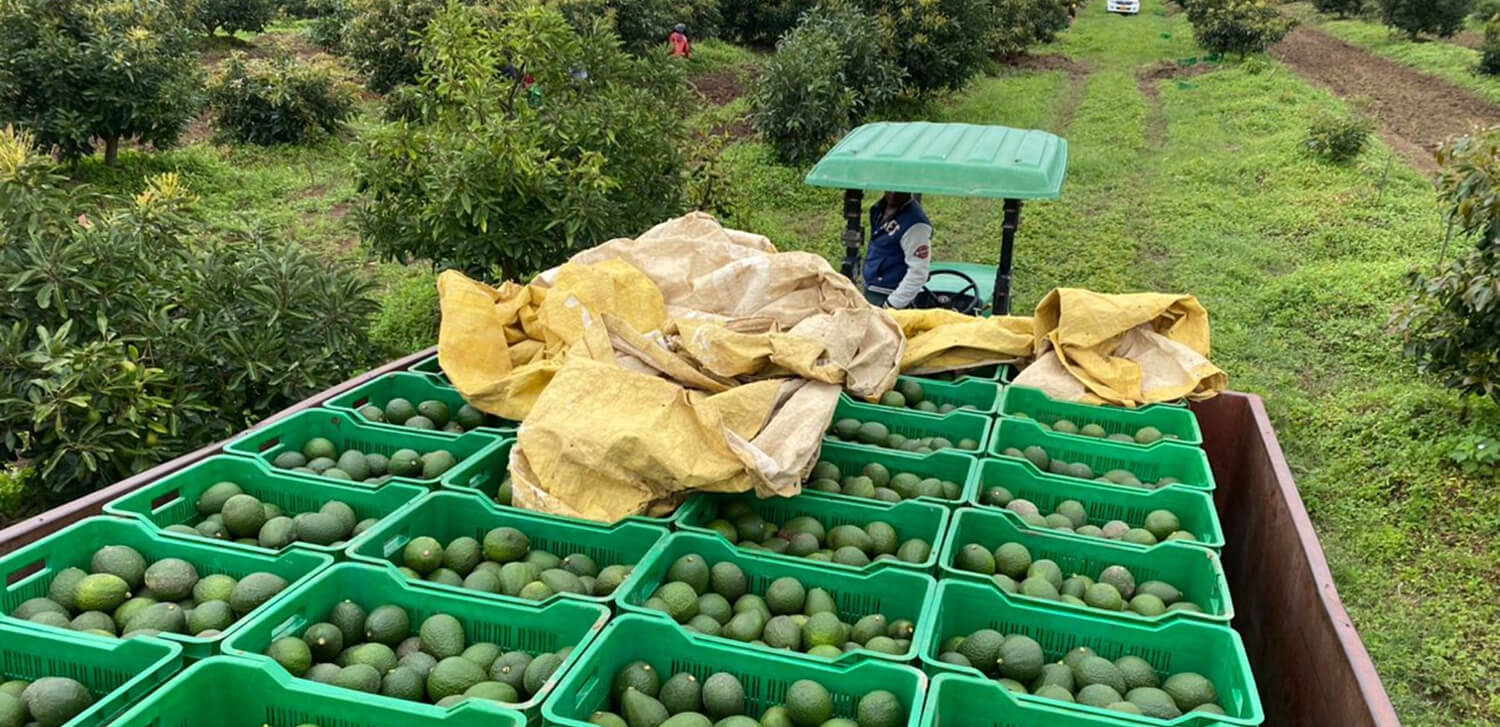
Drive through central Kenya today and you’ll notice something interesting. Hills that once carried scattered coffee bushes or subsistence crops are now dotted with neat rows of avocado trees. The fruit hanging from those branches isn’t just food—it’s opportunity. For many farmers, avocados have become “green gold,” a reliable income stream tied directly to booming European demand.
But here’s the big question: as Kenya’s avocado exports surge, can the environment keep up?
The country has rapidly become one of the world’s top avocado exporters, supplying Europe, the Middle East, and parts of Asia. The growth has been impressive. Export revenues have climbed year after year, rural incomes have improved, and new packhouses and logistics hubs are popping up across farming regions.
Yet global conversations around avocados aren’t always glowing. Critics point to water use, deforestation risks, carbon emissions, and land pressure. In other producing countries, rapid expansion has sometimes come at a heavy environmental cost.
Kenya now stands at a crossroads. It has the chance to build a model that proves export growth and environmental health can move forward together. But that won’t happen automatically. It requires smart policy, responsible farming practices, and buyers who care about sustainability as much as profit.
So, can Kenya scale its avocado exports without compromising soil, water, and biodiversity? Or is environmental strain an unavoidable side effect of global demand?
Let’s unpack the layers of this complex and timely issue.
The Rise of Kenya as an Avocado Export Powerhouse
Kenya’s avocado industry didn’t explode overnight. It grew steadily, fueled by favorable climate conditions, entrepreneurial farmers, and expanding international markets. Over the past decade, the country has climbed global rankings, often competing closely with South Africa as Africa’s leading exporter.
Europe is the primary destination. Countries like the Netherlands, France, Germany, and Spain import large volumes of Kenyan Hass avocados. The Netherlands, in particular, acts as a gateway, redistributing fruit across the continent.
Why has Kenya succeeded?
First, seasonality works in its favor. Kenya’s harvest window complements supply from Peru and other Latin American producers. When one country slows down, Kenya steps in, keeping European supermarket shelves stocked year-round.
Second, smallholder participation is high. Thousands of farmers cultivate avocados on modest plots, creating a decentralized but resilient production system. This broad participation spreads economic benefits across rural communities.
Export earnings have surged into hundreds of millions of dollars annually. For a country focused on agricultural transformation, that’s significant. Avocados are now among Kenya’s top horticultural exports, alongside flowers and vegetables.
But rapid growth brings pressure. As demand rises, farmers are tempted to plant more trees, sometimes replacing other crops. Investors eye new land for commercial orchards. Infrastructure expands.
The critical challenge isn’t whether Kenya can grow more avocados—it clearly can. The real question is whether that growth can remain environmentally responsible in the long run.
Understanding Sustainable Agriculture in the Avocado Context
Sustainability is one of those words everyone uses—but what does it actually mean for avocado farming in Kenya?
At its core, sustainable agriculture balances three pillars:
- Environmental protection
- Economic viability
- Social equity
If one pillar weakens, the entire structure wobbles.
Environmentally, sustainable avocado farming means conserving water, maintaining soil fertility, minimizing chemical inputs, and protecting nearby ecosystems. It’s about farming in a way that doesn’t compromise future generations.
Economically, sustainability ensures farmers earn stable incomes. If growers can’t make a profit, they won’t invest in environmentally friendly practices. Profit and planet must reinforce each other—not compete.
Socially, it involves fair wages, safe working conditions, and community development. After all, sustainability isn’t just about trees and rivers; it’s about people too.
In Kenya’s avocado context, sustainability often translates into practical actions like:
- Using drip irrigation instead of flood irrigation
- Applying organic compost instead of excessive synthetic fertilizers
- Intercropping avocados with other crops
- Maintaining buffer zones near rivers
The good news? Many Kenyan farmers are already adopting such practices, often guided by export requirements and certification programs.
The challenge is scale. Can these responsible practices keep pace with booming export growth? That’s where the real test lies.
Water Use and Irrigation Challenges
Water is often the most controversial topic in global avocado debates. In some countries, avocado farming has been blamed for depleting local water resources. So how does Kenya compare?
Unlike arid regions that depend heavily on irrigation, many Kenyan avocado farms are rain-fed. Central Kenya receives relatively reliable rainfall during two rainy seasons. This naturally reduces pressure on rivers and groundwater.
However, climate change is shifting rainfall patterns. Dry spells are becoming less predictable. Farmers increasingly turn to irrigation to stabilize yields.
This is where sustainable practices matter.
Traditional flood irrigation wastes significant amounts of water. In contrast, drip irrigation systems deliver water directly to tree roots, minimizing evaporation and runoff. Many export-oriented farmers are investing in these systems, often supported by government programs or private exporters.
Water harvesting techniques are also gaining traction. Farmers build small reservoirs to collect rainwater during wet seasons, storing it for dry periods. It’s a simple yet powerful adaptation strategy.
The key concern moving forward isn’t current water use—it’s future expansion. If large-scale commercial orchards multiply without proper water management plans, localized strain could emerge.
Sustainable growth requires proactive planning, not reactive crisis management.
Water, after all, is life—not just for avocados, but for communities and ecosystems alike.
Soil Health and Land Management
Healthy soil is the quiet hero of sustainable farming. Without it, even the most advanced irrigation system can’t save a crop.
Avocado trees require nutrient-rich, well-drained soils. Fortunately, many Kenyan growing regions sit on fertile volcanic soils. But fertility isn’t infinite. Intensive farming can gradually degrade soil structure and nutrient balance.
Sustainable farmers focus on soil regeneration rather than depletion.
Common practices include:
- Applying organic compost and manure
- Mulching around tree bases to retain moisture
- Planting cover crops to prevent erosion
- Rotating or intercropping with legumes
Mulching, in particular, plays a major role. A thick layer of organic matter around avocado trees helps regulate soil temperature, reduce evaporation, and improve microbial activity. Think of it as a protective blanket for the earth.
Erosion is another concern, especially in hilly regions. Without proper terracing or ground cover, heavy rains can wash away valuable topsoil. Responsible land management practices are essential to prevent long-term degradation.
If soil health declines, yields drop. Farmers then compensate with more fertilizer, increasing environmental strain. It becomes a vicious cycle.
But when soil is treated as a living ecosystem rather than just dirt, productivity and sustainability can reinforce each other beautifully.
Biodiversity and Agroforestry
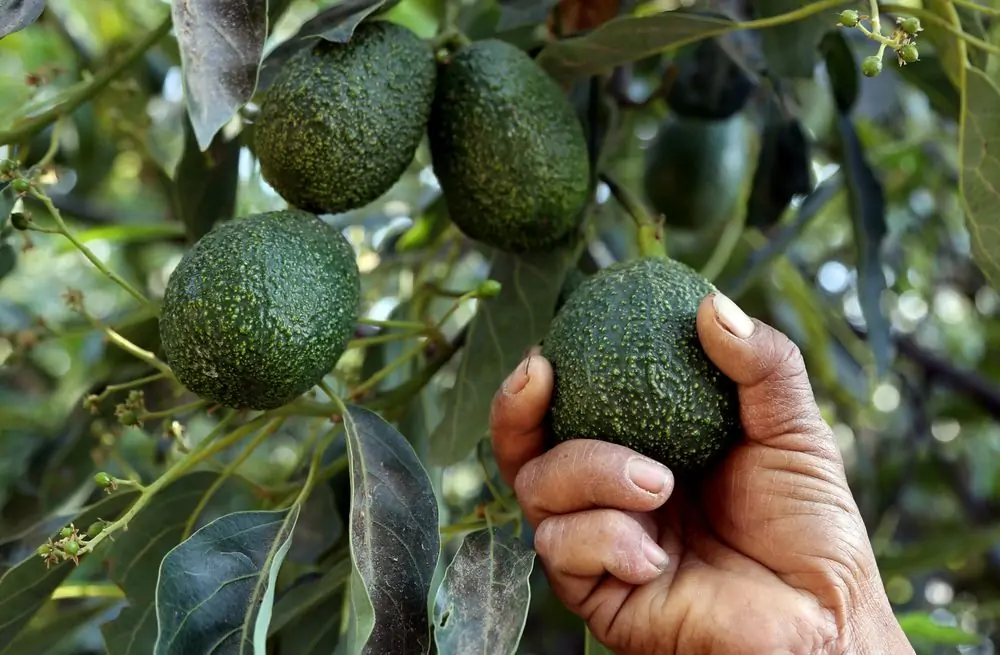
When people imagine avocado farming, they often picture endless monoculture orchards—rows and rows of identical trees stretching to the horizon. That model exists in some parts of the world. But in Kenya, the story is often more diverse.
Many smallholder farmers practice agroforestry, integrating avocado trees with other crops like coffee, maize, beans, bananas, and even indigenous trees. Instead of replacing entire ecosystems, avocados become part of a broader agricultural mosaic.
Why does this matter?
Because biodiversity isn’t just a buzzword—it’s insurance. A farm with multiple crops is more resilient to pests, diseases, and market shocks. If avocado prices dip, farmers still have alternative income sources. If one crop suffers from disease, others can compensate.
Ecologically, mixed farming systems support pollinators, birds, and soil organisms. Native trees planted alongside avocado orchards provide habitat corridors for wildlife and help maintain local ecological balance. Some farmers even preserve patches of natural vegetation around rivers or steep slopes to prevent erosion and protect water sources.
There’s also a climate angle. Diverse farms often sequester more carbon than monoculture systems. The combination of tree cover, ground crops, and organic matter builds carbon-rich soils over time.
However, as export demand grows, there’s a temptation to specialize exclusively in avocados for maximum profit. Large-scale monocropping could threaten biodiversity if not carefully managed.
The opportunity for Kenya lies in protecting its smallholder-based, diversified model. Instead of copying industrial monoculture systems seen elsewhere, Kenya can champion agroforestry as a competitive advantage—proving that productivity and ecological diversity can thrive together.
It’s not just about growing avocados. It’s about growing them within living landscapes.
The Carbon Footprint Debate
Let’s address the elephant in the room: carbon emissions. After all, Kenyan avocados travel thousands of kilometers to reach European consumers. That journey inevitably leaves a footprint.
But the reality is more nuanced than headlines suggest.
Most Kenyan avocados are shipped by sea, not air. Sea freight produces significantly lower emissions per kilogram compared to air transport. A refrigerated container ship carrying thousands of tons of produce spreads emissions across massive volumes, making it relatively efficient.
Still, emissions don’t only come from transport. Farming itself contributes through fertilizer use, irrigation pumps, and packhouse operations. The full carbon footprint includes:
- On-farm energy use
- Fertilizer production and application
- Cold storage
- Ocean shipping
- Ripening facilities in Europe
Some exporters are beginning to measure these emissions more precisely. Carbon accounting tools help companies identify where reductions are possible. Solar-powered packhouses, energy-efficient cold rooms, and optimized shipping routes are becoming part of the sustainability conversation.
There’s also growing interest in carbon offset programs. While offsets aren’t a perfect solution, they can complement emission reduction efforts.
Here’s the key point: compared to red meat production, avocados have a relatively modest carbon footprint. Yet perception matters. European consumers increasingly demand transparency about food miles and environmental impact.
If Kenya continues investing in efficient sea freight, renewable energy, and carbon tracking, it can position itself as a responsible supplier in a climate-conscious market.
The debate isn’t whether avocados have a footprint—they do. The real question is how small and transparent that footprint can become.
Smallholder Farmers at the Heart of Sustainability
Behind every export statistic is a farmer. In Kenya, the majority of avocado growers are smallholders cultivating just a few acres of land. This structure shapes the sustainability narrative in important ways.
Smallholder systems tend to be less industrialized and more integrated into local communities. Farmers often live on the same land they cultivate. That proximity naturally encourages long-term stewardship—after all, degrading the soil or polluting water would directly impact their own families.
Export companies and cooperatives provide training programs that cover:
- Proper pesticide use
- Safe harvesting techniques
- Soil conservation practices
- Record-keeping for traceability
These programs aren’t just about compliance; they build capacity. Farmers learn how to improve yields sustainably rather than through excessive chemical inputs.
Certification schemes like GlobalG.A.P. and Fairtrade further reinforce responsible practices. They require adherence to environmental and labor standards. Farmers who meet these criteria gain access to premium markets and sometimes better prices.
Income stability is another sustainability pillar. When farmers earn predictable export income, they’re less likely to overexploit land out of financial desperation. Economic security supports environmental responsibility.
However, smallholders also face constraints: limited capital, climate risks, and fluctuating global prices. Supporting them through access to credit, insurance, and technical knowledge is essential for long-term sustainability.
In many ways, the future of sustainable avocado farming in Kenya depends on empowering these farmers—not replacing them with purely industrial models.
Climate Change Pressures on Avocado Farming
Climate change isn’t a distant threat—it’s already reshaping agriculture across East Africa.
Farmers report increasingly unpredictable rainfall patterns. Rains arrive late or fall too heavily in short bursts. Prolonged dry spells stress young avocado trees, affecting fruit size and yield.
Warmer temperatures also influence pest dynamics. Certain pests and fungal diseases thrive in changing conditions, requiring careful management. Without sustainable integrated pest management strategies, farmers might resort to heavier chemical use, undermining environmental goals.
Adaptation is critical.
Some farmers are shifting planting calendars to align with new weather patterns. Others are investing in drought-tolerant rootstocks and improved irrigation systems. Agroforestry once again plays a role here—diverse systems often withstand climate shocks better than monocultures.
There’s also the question of altitude. As temperatures rise, suitable growing zones may gradually shift. Regions previously considered too cool for avocados could become viable, while some lower areas might face heat stress.
Climate resilience isn’t optional—it’s central to the coexistence of export growth and environmental health.
If Kenya builds its avocado expansion strategy around climate-smart agriculture, it can reduce long-term risks while maintaining productivity.
The future climate will test every agricultural system. The question is whether Kenya’s avocado sector will adapt fast enough.
Economic Growth vs Environmental Strain
Growth sounds positive—and economically, it is. Export revenues create jobs, improve rural incomes, and generate foreign exchange. But unchecked growth can strain natural resources.
As global demand increases, new land may be converted into orchards. If expansion targets forested areas or wetlands, environmental costs could outweigh economic gains.
So far, much of Kenya’s avocado growth has occurred through smallholder adoption rather than large-scale deforestation. But vigilance is essential. Clear land-use planning policies help prevent environmentally sensitive areas from being converted.
Market-driven intensification also poses risks. Higher yields often require more inputs—fertilizers, pesticides, irrigation. Without careful management, these inputs can contaminate soil and water.
The solution isn’t to halt growth. It’s to guide it intelligently.
Sustainable intensification—producing more on existing farmland using smarter methods—offers a promising path. Techniques such as precision fertilization, organic amendments, and integrated pest management allow farmers to increase productivity without proportionally increasing environmental pressure.
Economic growth and environmental health aren’t mutually exclusive. But they don’t automatically align either. Deliberate policy choices and responsible business practices determine whether they reinforce or undermine each other.
Government Policies and Regulation
Government oversight plays a crucial role in shaping sustainable outcomes. In recent years, Kenya has introduced stricter export regulations to protect quality and reputation.
For example, harvest timing rules prevent premature picking, ensuring fruit meets maturity standards. This protects both market credibility and farmer income.
Environmental regulations also influence farming practices. Water use permits, pesticide controls, and land-use policies create guardrails around expansion.
Additionally, public investment in rural infrastructure—roads, storage facilities, irrigation projects—can reduce waste and inefficiencies, indirectly lowering environmental impact.
However, enforcement remains key. Policies on paper are only effective when implemented consistently.
By aligning agricultural policy with environmental goals, the government can steer the avocado boom toward long-term sustainability rather than short-term gain.
Technology and Traceability in Sustainable Trade
Technology is quietly transforming Kenya’s avocado sector.
Digital traceability systems now allow exporters to track fruit from farm to supermarket. QR codes can link consumers directly to farm data, including certification status and sometimes sustainability metrics.
Blockchain-based systems are emerging, offering tamper-proof records of origin and handling conditions. This transparency builds trust with European buyers who demand proof of responsible sourcing.
On the farm level, mobile apps help farmers monitor weather forecasts, record pesticide applications, and access market prices. Data-driven farming enables smarter decisions, reducing waste and overuse of inputs.
Technology isn’t a silver bullet, but it’s a powerful enabler. When combined with training and policy support, it strengthens the bridge between export growth and environmental accountability.
Community Impact and Rural Development
Sustainability isn’t just environmental—it’s social.
Avocado export growth has created jobs in farming, packaging, transport, and logistics. Packhouses employ thousands of workers, many of them women. Increased income flows into rural economies, supporting schools, clinics, and local businesses.
Improved roads built to facilitate exports also benefit communities, making it easier to access markets and services.
However, equitable distribution of benefits matters. If profits concentrate among a few large players while smallholders struggle, social sustainability weakens.
Strong cooperatives and inclusive contract models ensure broader participation.
When managed inclusively, export growth can lift entire communities rather than isolated individuals.
Can Export Growth and Environmental Health Truly Coexist?
So, can they coexist?
The honest answer: yes—but only with intention.
Kenya’s avocado sector still has the advantage of learning from other countries’ mistakes. By prioritizing rain-fed systems, drip irrigation, agroforestry, certification, and transparent supply chains, it can expand responsibly.
The coexistence of profit and planet isn’t automatic. It requires:
- Strong regulation
- Farmer education
- Market incentives for sustainability
- Transparent reporting
- Climate-smart practices
If these elements align, Kenya could become a global example of sustainable horticultural export growth.
If they don’t, environmental strain could gradually erode the very foundation of the industry.
The future isn’t predetermined. It’s being shaped right now—in orchards, boardrooms, and policy offices.
Conclusion
Kenya’s avocado boom represents both opportunity and responsibility. Export growth has transformed rural livelihoods and strengthened the country’s position in global markets. But long-term success depends on safeguarding water, soil, biodiversity, and climate resilience.
Sustainability isn’t an obstacle to growth—it’s the pathway to enduring growth.
If Kenya continues balancing economic ambition with environmental stewardship, it won’t just supply Europe with avocados. It will supply a model of how agricultural exports can thrive without costing the earth.
FAQs
1. Are Kenyan avocados environmentally sustainable?
Many are produced under rain-fed systems with increasing adoption of drip irrigation and certification standards that promote responsible practices.
2. Do avocados use a lot of water in Kenya?
Compared to arid regions, many Kenyan farms rely on rainfall, though irrigation is growing due to climate variability.
3. How does Kenya reduce the carbon footprint of exports?
Most exports travel by sea freight, which has lower emissions than air transport, and some exporters are adopting renewable energy solutions.
4. Are smallholder farmers benefiting from avocado exports?
Yes, many smallholders have seen income growth, though ongoing support and fair pricing remain important.
5. Can avocado farming expand without harming forests?
With proper land-use policies and sustainable intensification practices, expansion can occur responsibly without significant deforestation.



Add a comment