

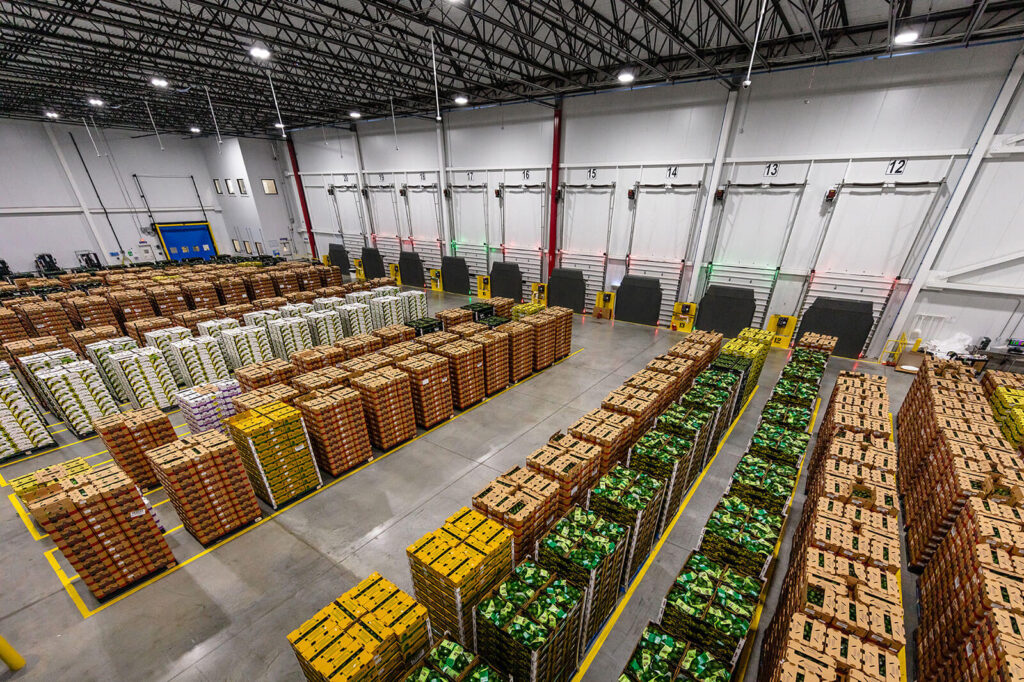
Perishable Cargo, Permanent Solutions: Protecting Kenya’s $160M Avocado Industry from Port Delays
The container is loaded. The reefer unit is running. Documentation is perfect. Your premium Hass avocados are en route to Mombasa Port, destined for European supermarket shelves. Then comes the message every exporter dreads: “Severe port congestion—expect 3-7 day delay.” Your avocados, at peak ripeness, now sit in limbo. Every additional hour increases the risk. Every temperature fluctuation threatens quality. And there’s nothing you can do but wait and watch your profit margins erode.
This scenario plays out weekly across Kenya’s $160 million avocado export industry. Port delays aren’t anomalies—they’re operational realities. Mombasa Port handles over 1.4 million TEUs annually, with congestion, documentation holds, equipment failures, and customs backlogs creating unpredictable delays that can devastate perishable cargo. Yet while exporters can’t control port efficiency, they absolutely can control one critical variable: how well their fruit withstands the delays when they inevitably occur.
The difference between exporters who survive port delays and those who suffer catastrophic losses comes down to infrastructure—specifically, the pallets supporting their cargo. Deka Kraft’s heavy-duty pallets aren’t just packaging; they’re insurance policies, engineered to protect premium fruit through every challenge port congestion creates. This comprehensive guide reveals how smart exporters are building resilience into their supply chains, starting from the ground up.
The True Cost of Port Delays: Kenya’s $160M Industry at Risk
Understanding the scale and impact of port delays is essential for building effective mitigation strategies. The numbers tell a sobering story.
Kenya’s Avocado Export Success Story
Kenya has emerged as Africa’s leading avocado exporter, a remarkable achievement built on favorable climate, skilled growers, and strategic market access:
- Export Value: Over $160 million annually and growing rapidly
- Production Volume: 350,000+ tonnes per year with expanding acreage
- Primary Markets: Netherlands, France, Spain, Russia, United Arab Emirates
- Key Varieties: Hass (premium export), Fuerte (growing market share)
- Economic Impact: Thousands of smallholder farmers depend on export revenue
- Growth Trajectory: 15-20% annual increase in export volumes
This success, however, depends entirely on getting premium fruit to European markets in perfect condition. A single compromised shipment can eliminate an entire season’s profits.
The Port Congestion Reality
Mombasa Port, Kenya’s primary export gateway, faces persistent congestion challenges:
- Average Delays: 2-4 days common, with peak season delays extending 7-10 days
- Contributing Factors: Equipment shortages, documentation processing, customs inspections, vessel scheduling conflicts
- Peak Season Pressure: Agricultural export peaks coincide with general cargo volume surges
- Infrastructure Constraints: Port capacity struggles to match regional trade growth
- Unpredictability: Delays impossible to forecast accurately, making planning difficult
- Multi-Stage Impact: Delays compound through receiving, inspection, loading, and departure phases
The Financial Devastation of Delay-Related Losses
Port delays translate directly into financial damage across multiple dimensions:
- Quality Degradation: Every additional day reduces fruit shelf-life and market value by 10-15%
- Temperature Excursions: Reefer unit failures during delays cause irreversible ripening or chilling injury
- Physical Damage: Extended handling and storage increase bruising, compression injuries, and spoilage
- Market Access Loss: Missed delivery windows result in contract penalties or outright rejections
- Price Erosion: Late arrivals face secondary market pricing, 40-60% below premium rates
- Storage Costs: Port delay fees, extended reefer operation, and demurrage charges accumulate rapidly
- Buyer Relationships: Unreliable delivery erodes trust, jeopardizing future contracts worth millions
Industry estimates suggest port delay-related losses cost Kenyan avocado exporters $15-25 million annually—representing 10-15% of total export value. For individual exporters, a single badly delayed shipment can eliminate quarterly profits or, in worst cases, threaten business viability entirely.
The Ripple Effect: Beyond Direct Losses
Port delay consequences extend far beyond immediate cargo losses:
- Farmer Impact: Smallholders paid based on delivered quality see reduced returns, threatening livelihoods
- Industry Reputation: Consistent quality issues damage Kenya’s brand in competitive European markets
- Investment Deterrence: Unreliable supply chains discourage expansion capital from growers and processors
- Market Share Loss: Competitors from South Africa, Peru, and Mexico capitalize on Kenya’s unreliability
- Economic Multiplier: Reduced export revenue affects jobs, rural development, and foreign exchange earnings
How Port Delays Destroy Perishable Cargo: The Failure Cascade
Understanding the specific mechanisms through which port delays damage avocados reveals why conventional pallets fail and why engineered solutions are essential.
The Perishability Challenge
Avocados are exceptionally challenging perishables:
- Narrow Temperature Window: Require precise 5-7°C; any deviation accelerates ripening or causes chilling injury
- Bruising Vulnerability: Soft flesh damages easily from pressure points, impacts, or unstable support
- Ethylene Sensitivity: Ripening gas from damaged fruit accelerates deterioration of nearby avocados
- Respiratory Activity: Continue respiring and ripening even under refrigeration
- Disease Susceptibility: Anthracnose and other pathogens proliferate in stressed, damaged fruit
- Limited Post-Harvest Shelf-Life: 3-4 weeks maximum under perfect conditions; delays rapidly consume this window
Stage 1: Initial Port Arrival and Holding
When containers arrive at Mombasa, delays begin immediately:
- Reefer Plug Point Delays: Limited electrical connections mean containers queue for power, risking temperature rises
- Yard Storage Conditions: Containers exposed to ambient heat (30-35°C) stress refrigeration units
- Multiple Movements: Containers shifted repeatedly for yard organization, each move creating vibration and potential impacts
- Pallet Stress Accumulation: Every move, every bump, every vibration tests pallet integrity
Impact on fruit: Weak pallets begin flexing, allowing cargo to shift and compress. This creates bruising points and compromises airflow around avocados, leading to localized temperature variations.
Stage 2: Documentation and Inspection Holds
Customs clearance often extends delays by days:
- Container Opening: Physical inspections require breaking seal, exposing cargo to ambient conditions
- Pallet-Level Access: Inspectors may need to unload/reload pallets, stressing structures and handling fruit
- Temperature Cycling: Repeated container opening/closing creates temperature fluctuations
- Condensation Formation: Temperature differential causes moisture accumulation on pallets and packaging
Impact on fruit: Inadequate pallets soften from moisture exposure. Weakened structures allow cargo settling, increasing compression on bottom layers. Condensation promotes fungal growth and accelerates spoilage.
Stage 3: Loading Delays and Equipment Failures
Even after clearance, final loading faces obstacles:
- Vessel Schedule Changes: Ships delayed or rerouted, extending port dwell time unpredictably
- Reefer Unit Malfunctions: Equipment failures during extended waiting compromise temperature control
- Rush Loading Operations: Hasty loading when vessels finally arrive creates rough handling conditions
- Final Pallet Test: Lift to vessel represents ultimate stress test for degraded pallet structures
Impact on fruit: Pallets that survived days of port stress may finally fail during loading. Collapsed pallets mean damaged fruit, emergency repacking, further delays, and potential shipment rejection. Even intact pallets with compromised integrity can’t adequately protect fruit during ocean transit.
The Compounding Effect
Each stage of port delay amplifies damage from previous stages:
- Day 1-2: Minor pallet flexing, initial fruit settling, slight temperature variations—manageable damage
- Day 3-4: Pallet structural weakening, visible cargo shifting, localized bruising, moisture accumulation—concerning damage
- Day 5-7: Pallet failure risk high, extensive bruising, early spoilage signs, cold chain stress—serious damage
- Day 8+: Pallet collapse likely, widespread fruit damage, accelerated ripening, potential total loss—catastrophic damage
The critical insight: damage progression isn’t linear—it’s exponential. Superior pallets buy time, protecting fruit through those critical extra days that separate salvageable shipments from total losses.
Deka Kraft’s Engineering Solution: Pallets as Critical Infrastructure
Deka Kraft approaches pallet design not as packaging, but as critical infrastructure—engineered specifically to protect perishable cargo through the worst port congestion scenarios.
Extended Duration Load Bearing
Standard pallets are designed for brief loads and rapid turnover. Deka Kraft pallets are engineered for prolonged stress:
- Sustained Static Load Capacity: 5,000+ kg over extended periods without structural fatigue
- Anti-Creep Design: Materials and construction preventing gradual deformation under continuous weight
- Reinforced Load Distribution: Strategic internal bracing spreading weight evenly across structure
- Fatigue Resistance: Withstand repeated vibration, movement, and handling cycles without weakening
- Safety Margin: Conservative design ensuring reliable performance even when theoretical limits approached
Moisture and Temperature Resilience
Port delays expose pallets to challenging environmental conditions. Our pallets resist degradation:
- Humidity Tolerance: Maintain structural integrity in 90%+ humidity typical of coastal ports
- Condensation Management: Wood treatment preventing moisture absorption during temperature cycling
- Dimensional Stability: No warping, swelling, or shrinking through environmental extremes
- Thermal Cycling Resistance: Multiple reefer on/off cycles don’t compromise structural performance
- Anti-Fungal Properties: Heat treatment creating hostile environment for mold and decay organisms
Cargo Protection Through Stability
Protecting avocados requires more than just not collapsing—it demands active cargo preservation:
- Rigid Deck Platform: Minimal flex eliminates cargo shifting and compression points
- Consistent Support: Every carton receives equal, continuous support across entire pallet surface
- Vibration Dampening: Construction absorbing movement energy rather than transmitting it to cargo
- Airflow Maintenance: Deck design ensuring cold air circulation around all cartons even during prolonged storage
- Impact Absorption: Structure protecting cargo during handling roughness that intensifies during port congestion
Multi-Handling Durability
Port delays often mean multiple handling events. Our pallets withstand the abuse:
- Fork Entry Reinforcement: Hardened areas resisting fork tine damage across 50+ handling cycles
- Corner Protection: Reinforced corners surviving inevitable bumps and impacts
- Deck Board Security: Fastening methods preventing board separation during repeated lifting
- Stringer Integrity: Core support members maintaining alignment through rough treatment
- Graceful Degradation: Even when damaged, pallets maintain sufficient integrity to complete journey
Guaranteed ISPM 15 Compliance
Port delays increase inspection probability. Our certification eliminates regulatory risks:
- Full Heat Treatment: Complete pest elimination meeting international phytosanitary standards
- Durable Marking: ISPM 15 stamps remaining legible through extended port handling and environmental exposure
- Complete Documentation: Certificates and traceability records available for any inspection scenario
- Batch Tracking: Full chain of custody from manufacturing through export
- Continuous Compliance: Ongoing monitoring ensuring certification integrity never lapses
Risk Management Strategy: Building Port Delay Resilience
Smart exporters treat port delays as inevitable operational realities and build comprehensive resilience strategies around this assumption.
The Four-Layer Defense Strategy
Layer 1: Infrastructure Foundation (Pallets)
- Invest in Deka Kraft heavy-duty pallets as baseline protection
- Maintain sufficient inventory ensuring no shortcuts during peak season
- Implement quality control inspecting every pallet before use
- Retire marginal pallets before they risk premium cargo
Layer 2: Cold Chain Excellence
- Invest in premium reefer containers with redundant systems
- Deploy temperature monitoring devices with real-time alerts
- Pre-cool fruit aggressively before loading, building temperature buffer
- Establish contingency plans for reefer unit failures during port delays
Layer 3: Logistical Optimization
- Work with clearing agents who have priority relationships with port authorities
- Submit documentation early and perfectly to minimize processing delays
- Build relationships with shipping lines to access priority loading
- Consider air freight as backup for highest-value loads facing severe delays
Layer 4: Financial Protection
- Carry cargo insurance covering delay-related quality degradation
- Negotiate contract terms with delay clauses protecting both parties
- Maintain working capital buffer absorbing unexpected delay costs
- Diversify markets reducing dependence on single buyer relationships
Harvest Timing Strategy
Smart harvest timing creates port delay buffers:
- Early Maturity Harvest: Pick fruit slightly earlier, allowing shelf-life to absorb delay impacts
- Quality Grading: Reserve highest-grade fruit for air freight or fastest vessel schedules
- Port Condition Monitoring: Adjust harvest timing based on real-time congestion intelligence
- Batch Sizing: Smaller, more frequent shipments reducing exposure to single delay event
- Seasonal Intelligence: Historical data revealing periods of higher delay risk
Communication Protocols
Effective delay management requires excellent information flow:
- Real-Time Tracking: Deploy technology providing visibility into container location and status
- Alert Systems: Immediate notifications when delays exceed acceptable thresholds
- Buyer Transparency: Proactive communication about delays maintaining trust and enabling their planning
- Agent Coordination: Daily check-ins with clearing agents during critical periods
- Escalation Pathways: Pre-established contacts at shipping lines and port authority for emergency interventions
ROI Analysis: The Economics of Port Delay Protection
Investing in heavy-duty pallets delivers measurable returns through multiple financial mechanisms, with port delay protection providing the most dramatic impact.
Direct Loss Prevention
Typical medium-sized exporter scenario (3,000 tonnes annual volume):
Without Deka Kraft Heavy-Duty Pallets:
- 5-7 day delays: 8-10 occurrences annually affecting 300-400 tonnes
- Quality degradation: 30-40% of delayed cargo downgraded or rejected
- Revenue loss: 100-150 tonnes @ USD 1,500/tonne = USD 150,000-225,000
- Additional costs: Demurrage, repacking, disposal = USD 30,000-50,000
Total Annual Loss: USD 180,000-275,000
With Deka Kraft Heavy-Duty Pallets:
- Same delays: 8-10 occurrences but cargo protected
- Quality degradation: 5-8% affected (vs 30-40%) due to superior cargo protection
- Revenue loss: 20-30 tonnes @ USD 1,500/tonne = USD 30,000-45,000
- Additional costs: Minimal = USD 5,000-10,000
Total Annual Loss: USD 35,000-55,000
Annual Benefit from Better Pallets: USD 145,000-220,000
Investment Calculation
Required pallet investment:
- 2,000 Deka Kraft pallets @ KES 1,800 each = KES 3,600,000 (USD 28,000)
- Incremental cost vs standard pallets: ~USD 10,000-12,000
- Useful life: 4-5 seasons (vs 1-2 for standard)
Payback Period: Less than 1 month of operations
Year 1 ROI: 1,200-1,800%
5-Year ROI: Over 6,000% (accounting for extended pallet life)
Additional Value Creation
Beyond direct loss prevention, superior pallets create value through:
- Reputation Premium: Consistent quality delivery enables 3-5% price premium from buyers valuing reliability
- Contract Security: Reliable performance protects multi-year agreements worth millions
- Market Access: Quality consistency opens doors to premium buyers with strict standards
- Operational Efficiency: Fewer emergency interventions free management for strategic activities
- Farmer Relationships: Consistent payouts strengthen grower loyalty and expand supply base
- Competitive Positioning: Infrastructure advantage over competitors lacking delay resilience
Industry-Wide Impact: Protecting Kenya’s Competitive Position
Individual exporter decisions about pallet quality aggregate to determine Kenya’s success in global avocado markets. The infrastructure choices we make today shape the industry’s future.
The Collective Challenge
Kenya competes against established exporters with mature infrastructure:
- Peru and Chile: Decades of export experience, sophisticated logistics, reputation for reliability
- South Africa: Geographic proximity to Europe, established buyer relationships
- Mexico: NAFTA advantages, integrated supply chains, consistent quality
- Spain: Local European production, minimal logistics challenges
Kenya’s competitive advantages—favorable climate, year-round production, cost competitiveness—only translate to market success when quality arrives consistently. Port delays threaten this consistency, making infrastructure investments like superior pallets not just smart business, but strategic imperatives for national competitiveness.
Building Industry Standards
Leading exporters using Deka Kraft pallets are establishing best practices that elevate the entire industry:
- Quality Benchmarks: Demonstrating achievable quality standards even through port challenges
- Buyer Confidence: Building European importer trust in Kenyan avocado reliability
- Infrastructure Expectations: Creating market pressure for all exporters to upgrade
- Knowledge Sharing: Successful practices spreading through industry networks
- Collective Reputation: Kenya becoming known for quality despite logistical challenges
The Path Forward
Kenya’s avocado industry stands at a crossroads. Rapid growth creates opportunity, but port congestion and infrastructure challenges threaten to undermine this success. The exporters who thrive will be those who:
- Acknowledge port delays as structural realities requiring engineering solutions
- Invest in infrastructure that protects cargo through worst-case scenarios
- Build comprehensive resilience strategies spanning harvest through delivery
- Prioritize long-term competitive positioning over short-term cost savings
- Lead industry standards evolution through their own excellence
Conclusion: Infrastructure as Competitive Advantage
Port delays will continue. Mombasa’s congestion challenges won’t resolve overnight. Infrastructure development takes years. But while exporters can’t control these external factors, they absolutely can control how well their cargo withstands the challenges these factors create.
Deka Kraft’s heavy-duty pallets represent a fundamental shift in how exporters think about packaging. These aren’t disposable platforms—they’re critical infrastructure investments that protect premium cargo through the worst scenarios Kenya’s export chain presents. When port delays stretch to a week, when temperatures fluctuate, when handling intensifies, when everything goes wrong—superior pallets mean the difference between salvaging shipments and suffering catastrophic losses.
Kenya’s $160 million avocado industry has enormous growth potential. European markets are expanding. Asian demand is emerging. Prices remain strong. But realizing this potential requires building supply chain resilience that matches our agricultural capabilities. It starts with the simplest, most fundamental question: what’s holding up your avocados?
The exporters investing in Deka Kraft pallets today are building competitive advantages that will define market leadership for years to come. They’re protecting individual shipments, yes, but more importantly, they’re protecting Kenya’s reputation as a reliable supplier of premium avocados. In global markets where buyers have numerous sourcing options, reliability is the currency that commands premium prices and secures long-term contracts.
Don’t let inadequate pallets become the weak link that undermines everything else you do right. The fruit quality is excellent. The farming practices are sound. The market opportunity is clear. Make sure your infrastructure—starting from the pallets up—matches the excellence of your product and the ambition of your business.
Protect Your Shipments. Protect Your Business. Protect Kenya’s Industry.
Contact Deka Kraft today to build port delay resilience into your export operations:
- Assess your current pallet infrastructure and port delay vulnerability
- Calculate specific ROI based on your volumes and typical delay patterns
- Develop implementation plan aligned with your harvest and shipping schedule
- Review comprehensive delay resilience strategy for your operation
- Join Kenya’s leading exporters building permanent solutions to perishable cargo challenges
Port delays are inevitable. Cargo losses are not. Build the infrastructure that protects your business and strengthens Kenya’s competitive position in global avocado markets.

Add a comment